

Hip bursitis vs. arthritis: How to tell the difference

Fitness for longevity: Which type matters most?

Ministrokes linked to elevated risk of dementia

Continuous glucose monitors benefit people who don't need insulin

CoQ10: Should you take this popular supplement if you're on a statin?

Microplastics: A hidden health threat?

Oat vs. dairy milk: Nutrition, benefits, and downsides

What is tempeh? Benefits, nutrition, and how to use it

Healing after food poisoning

Whole grains may improve several heart risk factors at once
Healthy eating for older adults Archive
Articles
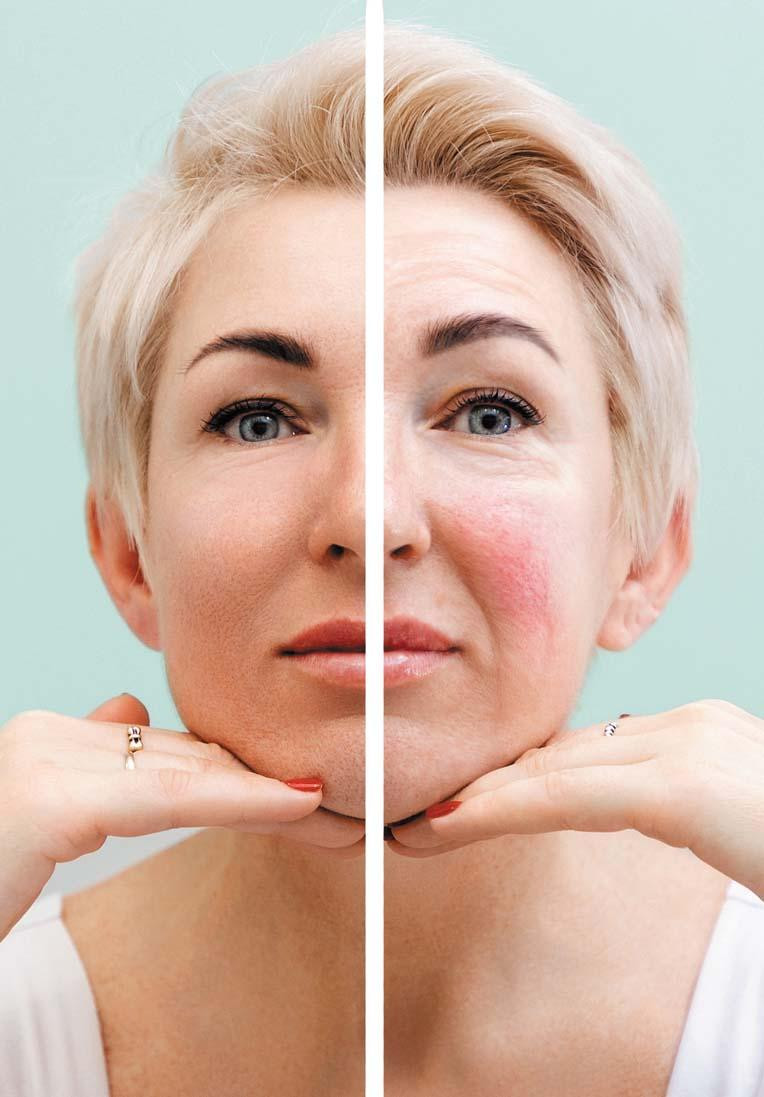
Is this common skin problem overlooked?
A 2025 Finnish study found that rosacea often goes undiagnosed in people ages 70 or older. Researchers say this might be due to busy physicians with limited awareness of rosacea or patients' own embarrassment or unwillingness to seek treatment.

Pickleball-related eye injuries increasing
As the number of pickleball players has grown, so has the number of eye injuries in people ages 50 or older, according to a 2025 study. Such injuries include damage to the eye surface, retinal detachment, or fractures near the eye socket.
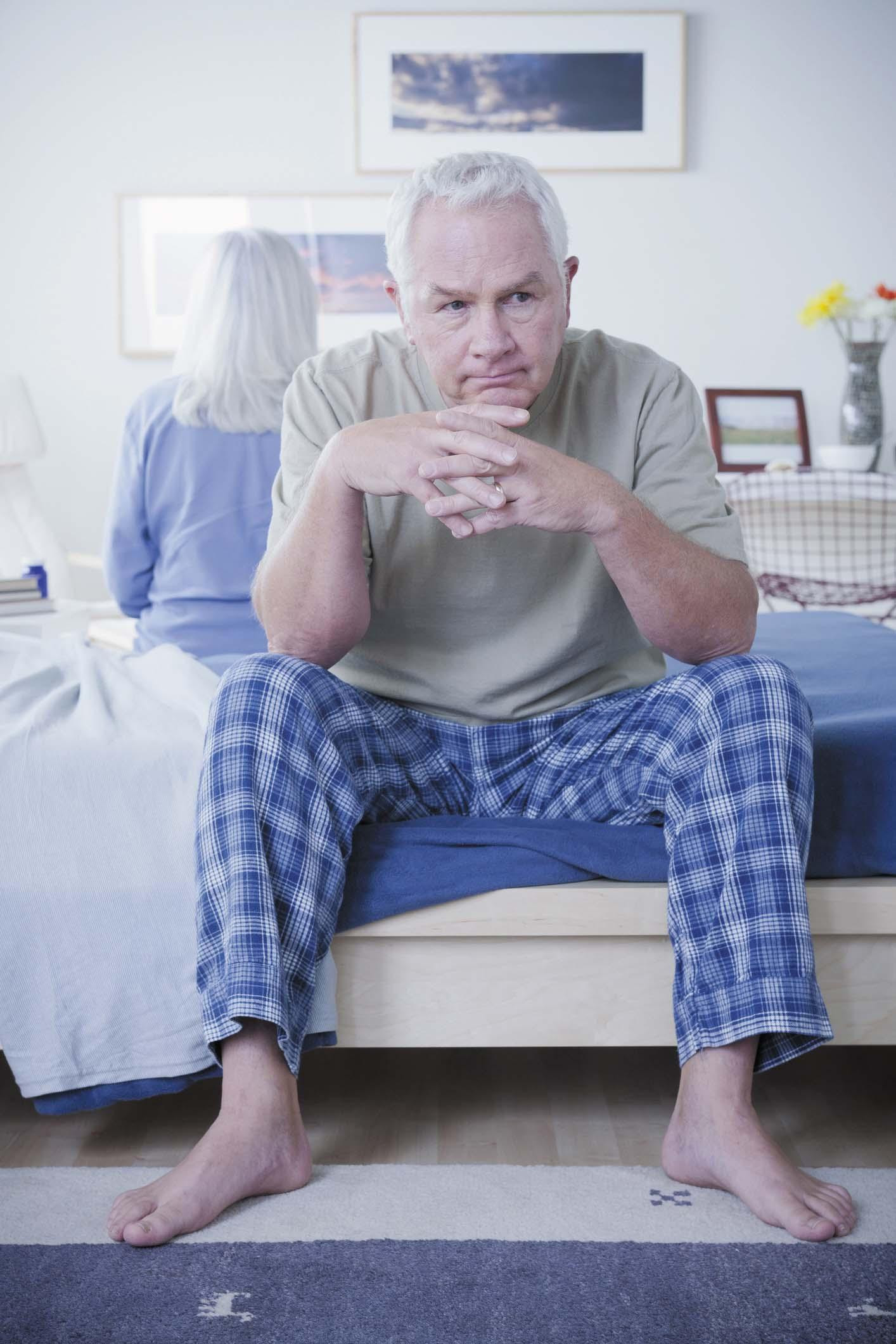
Dealing with a sluggish sex drive
Men and women can experience many age-related changes and health conditions that can cause their sex drives to decline. Couples who deal with mismatched or missing sex drives should communicate about how they can work together to get back in sync. Both partners should share what they enjoy before and during sex, what issues may be hindering their sex drive, and what strategies they can try, such as recreating dating, planning time for intimacy, and exploring new ways to create romantic moods.
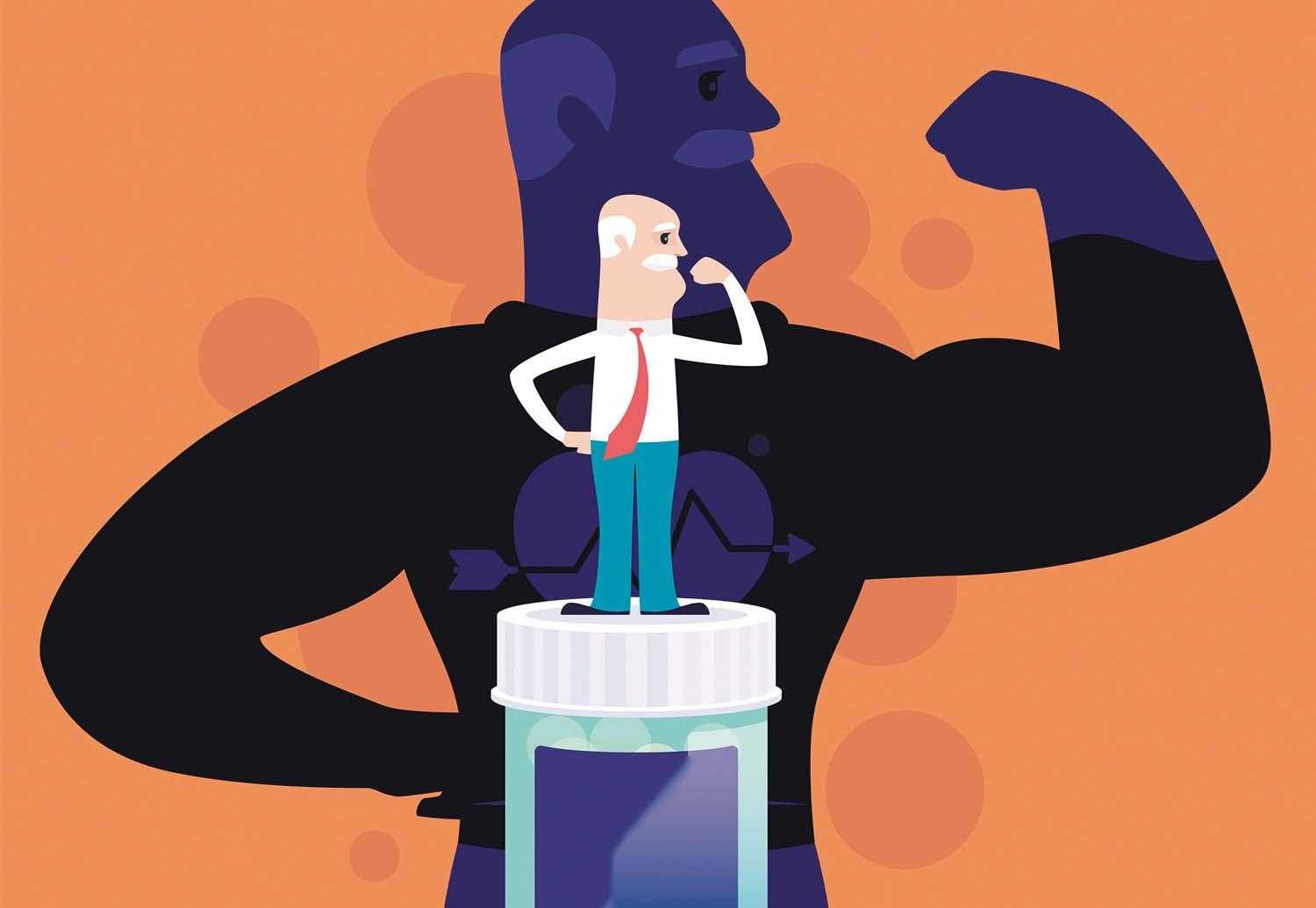
Can supplements boost my athletic performance?
There is little evidence that dietary supplements marketed as performance enhancers do more than following a well-balanced diet. Two nutrients that can help people during extended exercise are carbohydrates and caffeine.
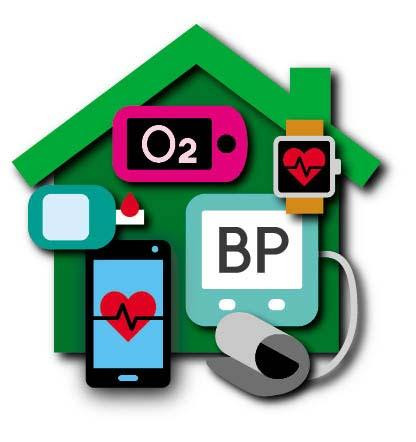
How to use home health monitors
Home health technologies have made it easier for people to monitor their health at home. These handy home devices can track certain health markers, such as blood pressure, blood sugar, heart rhythm, heart rate variability, and oxygen saturation. Checking this information periodically may help some people identify possible problems or manage existing conditions.

Try this: Winter skin care
People can take several measures to protect against winter dry skin, such as using an indoor humidifier, washing carefully, following a moisturizing routine, and covering exposed skin when outdoors.
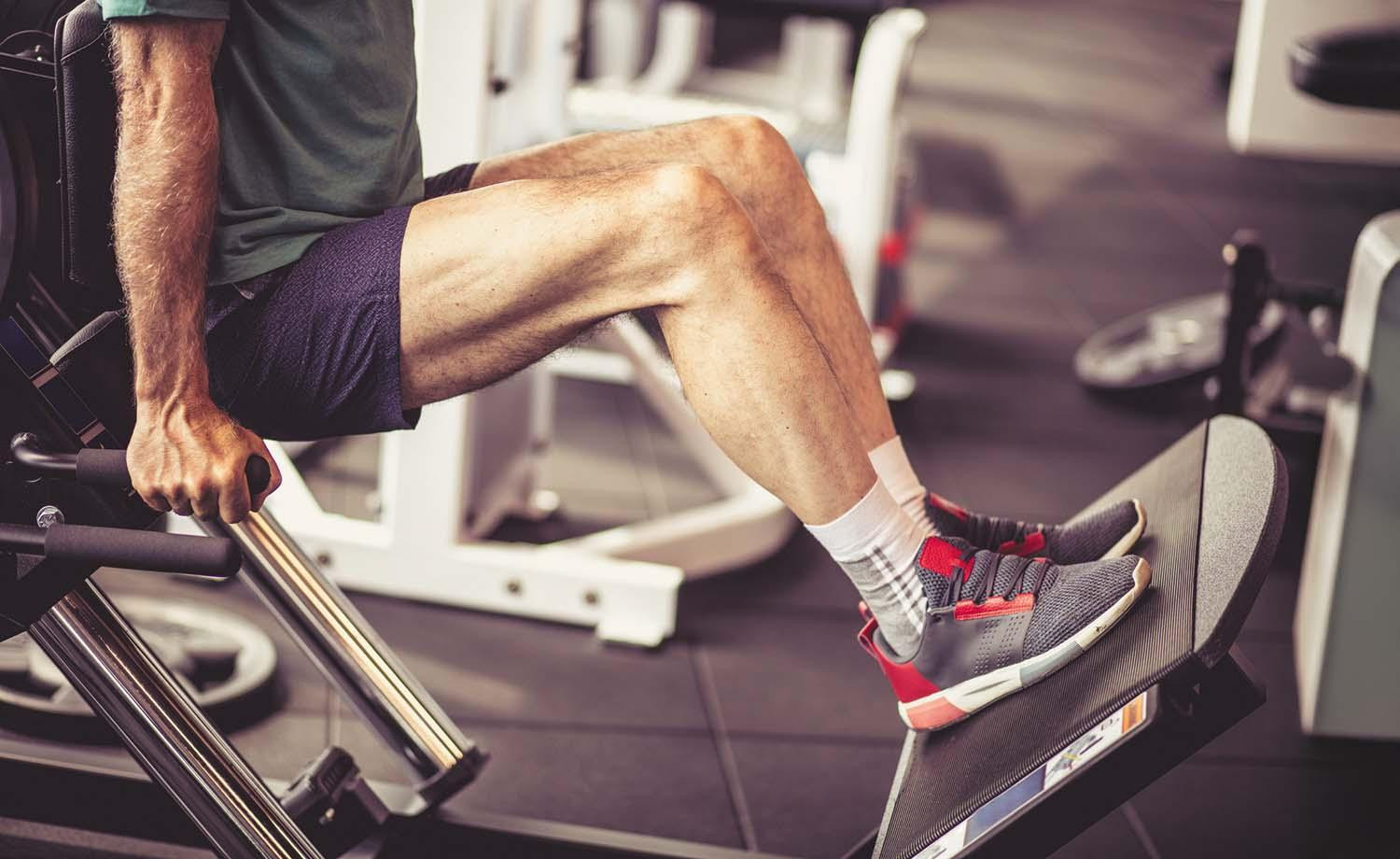
Building stronger legs
Leg strength becomes even more vital as people age, as the legs are essential for routine movements such as going up and down stairs, sitting and rising from chairs, bending over and standing up, and protecting against falls. The main leg muscles are gluteals, quadriceps, hamstrings, and calves. Some exercises that can help strengthen these muscles are bridges, step-ups, and heel raises.
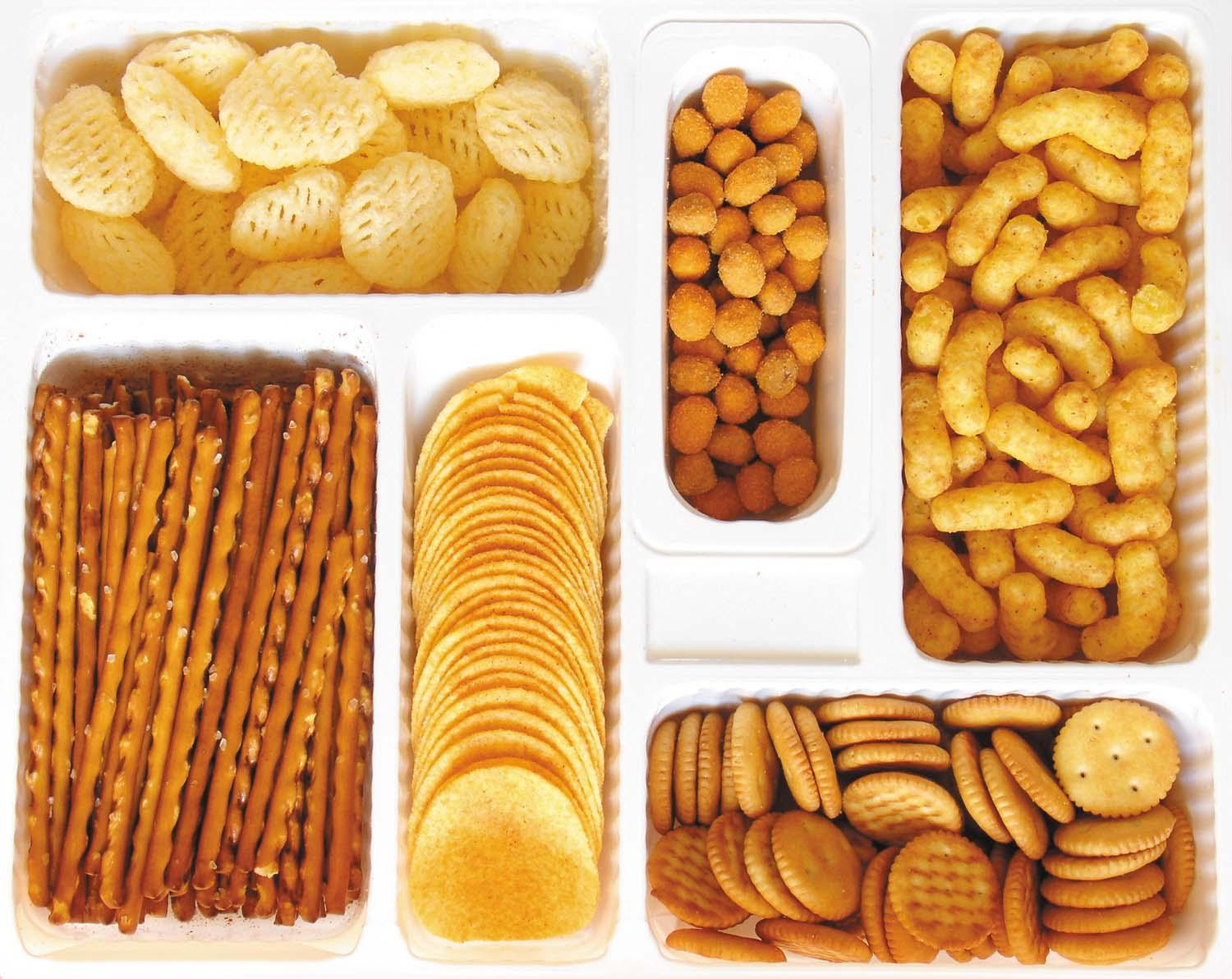
How ultra-processed foods are made linked to weight gain
A 2025 study suggests that the nature of ultra-processed foods, not the consumption of extra calories from these foods, is what contributes to their association with excess weight gain and a greater risk for obesity.
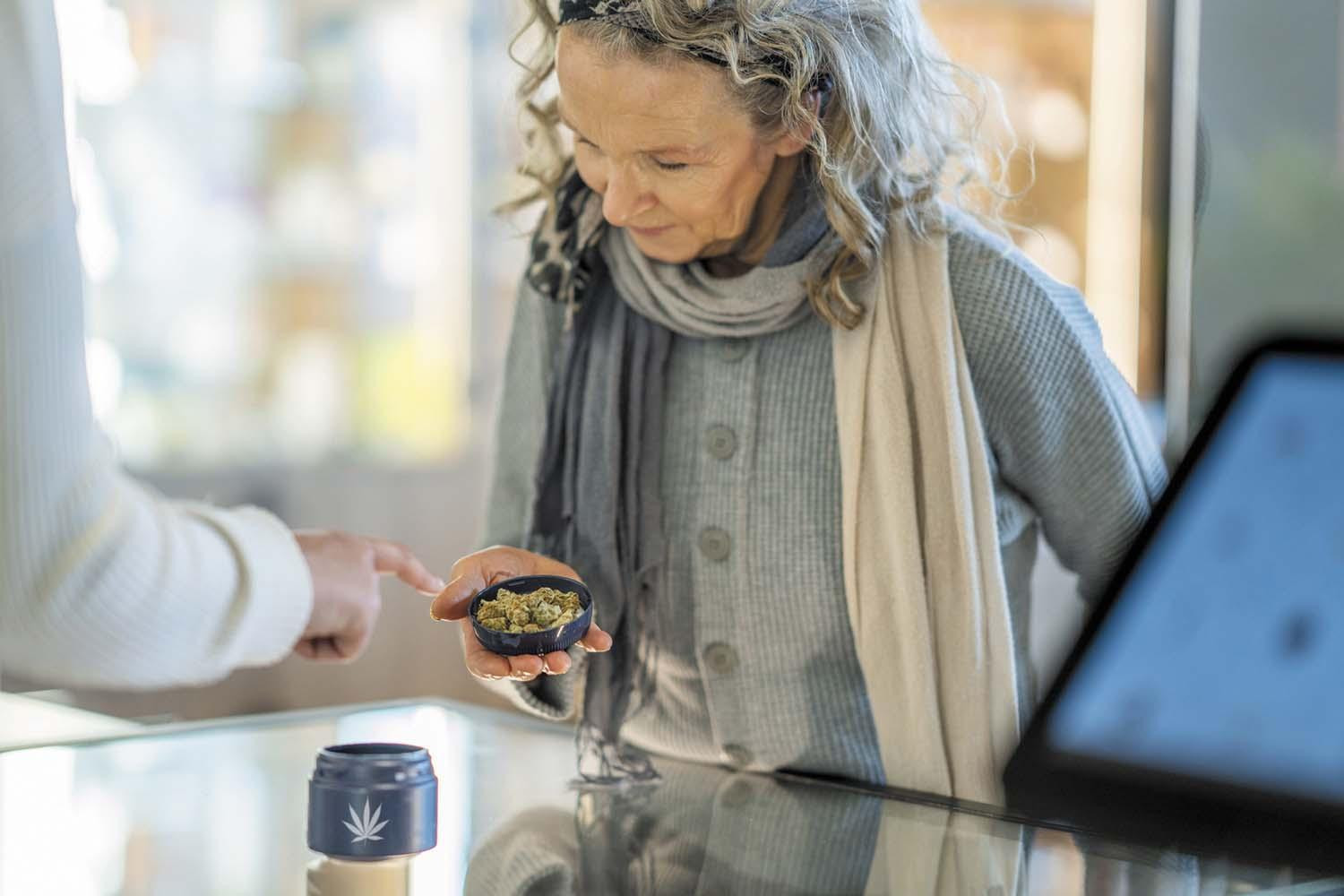
Relief or risk? Using cannabis as we age
Increasing numbers of older adults are using cannabis over recent years. People over 50 report using it to relax, sleep better, feel good, relieve pain, improve mood or mental health, or treat medical conditions. But older adults are more vulnerable to cannabis side effects, such as falls or interactions with prescription and over-the-counter drugs. Many older adults aren't aware that cannabis products today are far more potent than in decades past. Medical visits related to cannabis use rose more than 27-fold among adults 65 and older between 2008 and 2021.
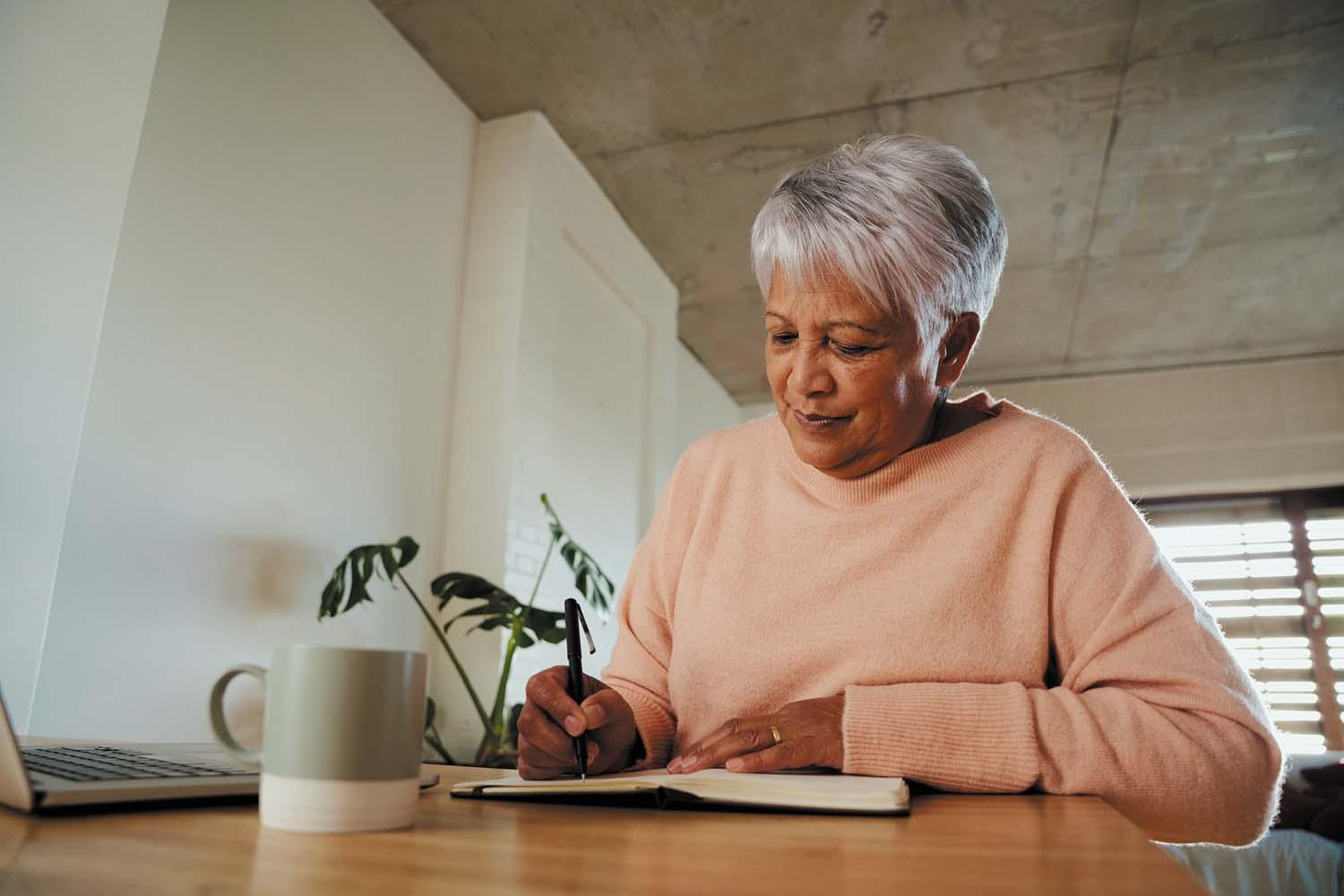
Fuzzy memory? Try these strategies
Simple strategies can help someone fight age-related memory slips. Tips include repeating new information by saying it out loud or writing it down a few times; associating an image with someone's name, such as thinking of a bouquet of roses after meeting a person named Rosie; grouping information in chunks, similar to grouping digits in a phone number; and writing information out by hand (as opposed to typing), which forces the brain to process and absorb data.
Hip bursitis vs. arthritis: How to tell the difference
Fitness for longevity: Which type matters most?
Ministrokes linked to elevated risk of dementia
Continuous glucose monitors benefit people who don't need insulin
CoQ10: Should you take this popular supplement if you're on a statin?
Microplastics: A hidden health threat?
Oat vs. dairy milk: Nutrition, benefits, and downsides
What is tempeh? Benefits, nutrition, and how to use it
Healing after food poisoning
Whole grains may improve several heart risk factors at once
Free Healthbeat Signup
Get the latest in health news delivered to your inbox!
Sign Up
