

Hip bursitis vs. arthritis: How to tell the difference

Fitness for longevity: Which type matters most?

Ministrokes linked to elevated risk of dementia

Continuous glucose monitors benefit people who don't need insulin

CoQ10: Should you take this popular supplement if you're on a statin?

Microplastics: A hidden health threat?

Oat vs. dairy milk: Nutrition, benefits, and downsides

What is tempeh? Benefits, nutrition, and how to use it

Healing after food poisoning

Whole grains may improve several heart risk factors at once
Healthy eating for older adults Archive
Articles
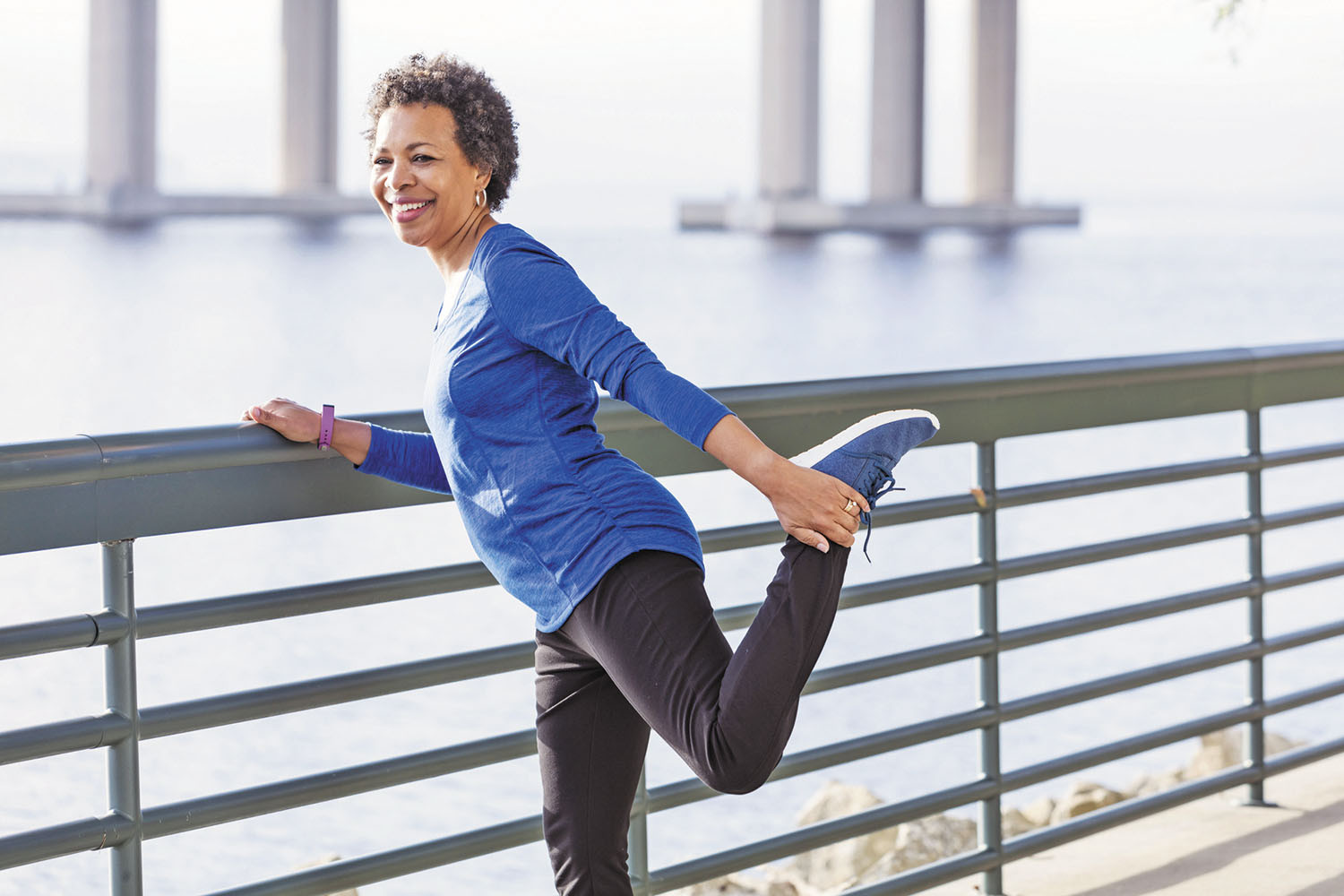
Stretch your exercise plan beyond weights and cardio
Including stretching exercises in your workout regimen is essential to maintaining good posture and balance.
Image: © kali9/Getty Images
Whether you're an avid exerciser or spend most of your time sitting in front of a computer, stretching should be part of your weekly routine. While this may conjure images of complicated twists and contortions, the type of stretching you need may be as simple as taking periodic work breaks to lift your arms above your head and to perform some other easy movements.
"Stretching doesn't have to be a particular program. It's just getting out of the posture you spend a lot of time in, taking some deep breaths, and moving your joints through their full range," says Dr. Lauren Elson, an instructor in physical medicine and rehabilitation at Harvard Medical School.
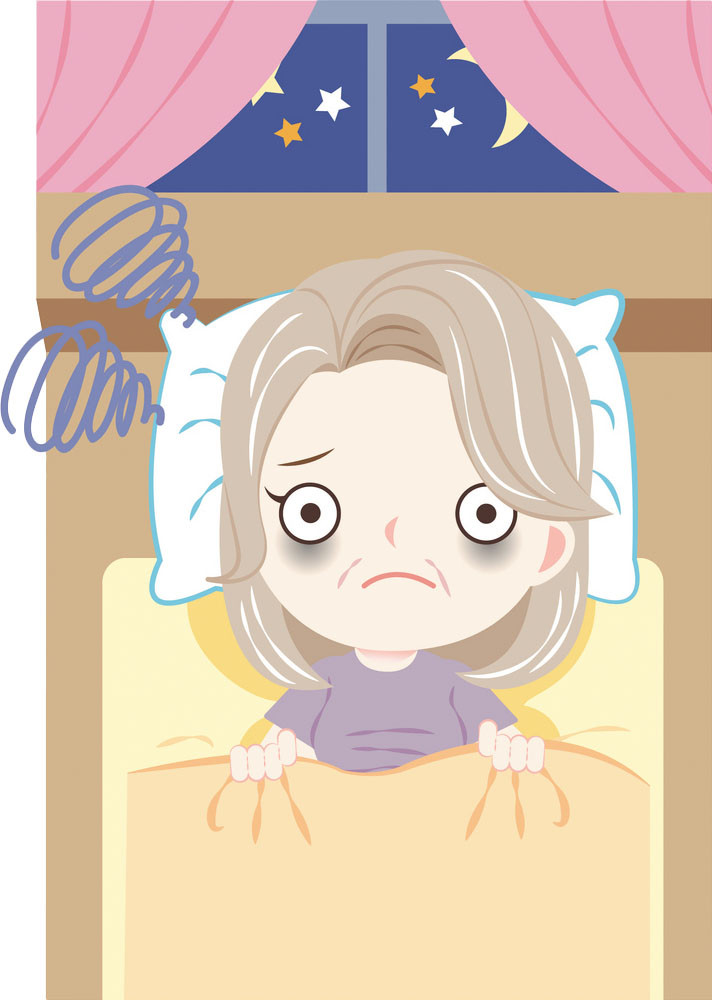
Study: Light pollution may trigger insomnia
Research we're watching
High exposure to bright, artificial outdoor lights during the night may result in sleepless nights for older adults. The more of this so-called light pollution that people were exposed to at night, the more they seemed to turn to medication to help them sleep, according to a study published in the Nov. 15, 2018, Journal of Clinical Sleep Medicine. People in brightly lit areas, as judged by satellite data, also seemed to take those drugs for longer and took higher doses than people who weren't exposed to nighttime light.
To come to their conclusions, the researchers looked at data on more than 50,000 adults ages 60 or older from the National Health Insurance Service–National Sample Cohort, a database of information collected on people who participated in health screenings between 2002 and 2013 in South Korea. Researchers compared the people's nighttime light exposure and their use of two sleep drugs, zolpidem (Ambien) and triazolam (Halcion).

FDA: Certain antibiotics may bring serious risks
Research we're watching
In December 2018, the FDA issued a warning about certain antibiotics known as fluoroquinolones, a drug class that includes ciprofloxacin (Cipro) and levofloxacin (Levaquin). The drugs are associated with rare ruptures or tears in the body's main artery, the aorta, which can cause serious, sometimes fatal bleeding. Cases were reported in people taking these antibiotics orally or by injection.
Because of this risk, the FDA is advising doctors to try to avoid prescribing these antibiotics to people who are at higher risk for problems with the aorta, unless there are no other antibiotics available to treat the infection. This includes people who have high blood pressure, certain genetic disorders (such as Marfan syndrome and Ehlers-Danlos syndrome), or a history of arterial blockages or aneurysms.

Long-term exercise programs linked to reduced fall risk
News briefs
Image: © Vesnaandjic/Getty Images
You probably know that exercise can help you maintain your balance and prevent falls, which are among the top causes of injury and death among older adults. But if you're worried that being active will wind up increasing your risk of getting hurt, a large study may put your fears to rest. The research, published online Dec. 28, 2018, by JAMA Internal Medicine, analyzed 40 randomized trials that included about 22,000 older adults. People who exercised for one year or more had a 12% relative reduction in falls and a 26% relative reduction in falls with injury, compared with people who didn't exercise. Also: exercising long-term was not associated with an increase in the rate of hospitalization or death (though it wasn't linked to a reduction, either). Researchers didn't determine which kind of exercise was best. However, the most benefits were seen when people exercised three times per week, 50 minutes per session, in programs that included several components, such as balance exercises, strength training for the lower limbs, and aerobic exercise (the kind that gets your heart and lungs pumping, like brisk walking).

Food truck fare: Trendy eats, but are they safe?
Pay attention to healthy ingredients, inspection documents, and online reviews.
Image: © valentinrussanov/Getty Images
Food trucks — once the catering staples of construction sites — are no longer just about convenience. These rolling kitchens bring innovative gourmet food to busy streets and crowded parking lots, with diverse menus that attract hordes of hungry customers and discerning foodies.
But as popular as food trucks are — nationally, a billion-dollar industry that defines the landscape in places like Los Angeles; Miami; Austin, Tex.; and Portland, Ore. — they still serve restaurant fare, which is typically loaded with saturated fat, salt, refined carbo-hydrates, sugar, and calories.
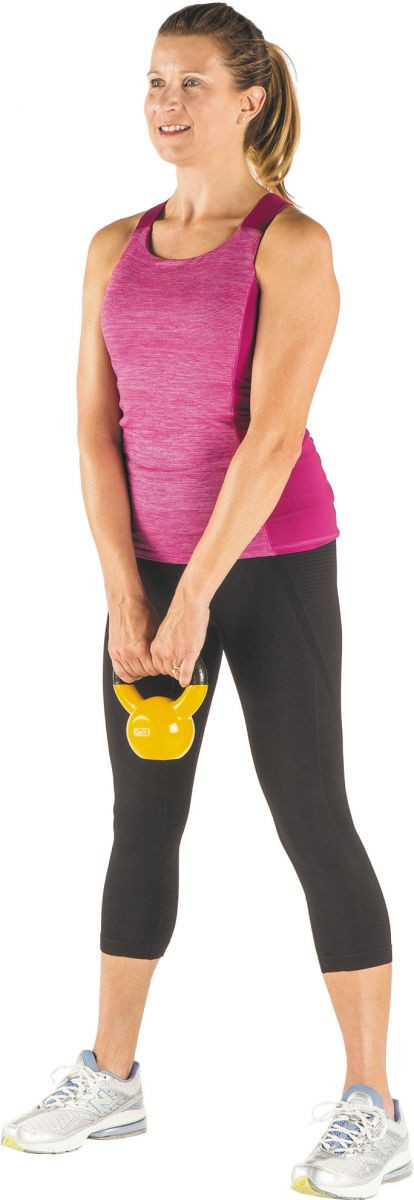
Getting in on the kettlebell craze
The weights add more oomph to your workout, but you'll have to mind some safety rules if you use them.
Exercises photos by Michael Carroll
Move over, dumbbells; kettlebells are cool again. The little weights with handles have been used by athletes around the world for centuries and gained popularity as the staples of 19th-century strongmen. Today, kettlebells have made it to the mainstream as the featured tools in exercise classes and gyms, with home versions of kettlebells available on the shelves of every big-box store.
What's the attraction? "Kettlebells work multiple muscle groups at one time, so you get a lot of bang for your buck with each exercise," says Nancy Capparelli, a senior physical therapist at Harvard-affiliated Beth Israel Deaconess Medical Center.

Medications we're watching
News briefs
Three newly approved medications are garnering national attention. The first is an oral form of a powerful opioid painkiller that's been available by injection since 1984. Dsuvia is the sublingual (under the tongue) version of sufentanil, and it was approved by the FDA in November 2018. Dsuvia is 1,000 times more potent than morphine. The FDA says it may be helpful for use on the battlefield or in hospitals. Critics worry the drug will wind up on the streets, furthering the country's opioid crisis. Another medication of note is the first prescription drug made from marijuana. The FDA approved cannabidiol (Epidiolex) in June 2018 for the treatment of seizures associated with rare forms of epilepsy. The medication is made from a component of marijuana that does not cause intoxication or euphoria. And finally, baloxavir marboxil (Xofluza), the first new antiviral in 20 years to help fight the flu, received FDA clearance in October 2018. The drug is a one-dose pill that may help shorten the duration of the flu if it's taken within 48 hours of the start of symptoms. One caution: the new antiviral has not yet been tested in older adults, so talk to your doctor if the drug is prescribed and you have concerns.
Image: SheilaFitzgerald/Thinkstock



Keep your advance directive safe but accessible
Many people understandably want to keep their living will and health care power of attorney forms in a secure place. But if these documents are locked away in a safe deposit box, they won't be much help if you're unexpectedly hospitalized. Here are some people who should have copies of your advance directives and some other places where they should be filed.
Your health care agent and any alternative agents. All should have a copy of your health care power of attorney (and your living will, if you have one). In an emergency, your agent may need to fax the documents to doctors or a hospital.
Your doctor. A copy of your advance directives should be in your file and medical record.
Your hospital chart. If you are in the hospital, ask to have a copy of your advance directives put in your chart. (Your health care agent or a family member should do so if you are unable to do it.)
A safe spot in your home. File the original documents in a secure place in your home — and tell your agent, family, and friends where you put them. Hospitals may request an original, so it's important that someone can find the documents when necessary. The National Hospice and Palliative Care Organization suggests noting on all copies of the documents where the originals are stored.
Carry it with you. Put a card with your health care agent's name and contact information in your wallet or purse. Also note on the card where you keep the original and additional copies of your directives.
If you have a do not resuscitate order (DNR), remember that you or your health care agent may be required to produce a signed form, or you may have to wear a special bracelet identifying that decision. If a lawyer drew up your advance directives, ask whether he or she will keep a copy, and for how long.
Hip bursitis vs. arthritis: How to tell the difference
Fitness for longevity: Which type matters most?
Ministrokes linked to elevated risk of dementia
Continuous glucose monitors benefit people who don't need insulin
CoQ10: Should you take this popular supplement if you're on a statin?
Microplastics: A hidden health threat?
Oat vs. dairy milk: Nutrition, benefits, and downsides
What is tempeh? Benefits, nutrition, and how to use it
Healing after food poisoning
Whole grains may improve several heart risk factors at once
Free Healthbeat Signup
Get the latest in health news delivered to your inbox!
Sign Up
