

Hip bursitis vs. arthritis: How to tell the difference

Fitness for longevity: Which type matters most?

Ministrokes linked to elevated risk of dementia

Continuous glucose monitors benefit people who don't need insulin

CoQ10: Should you take this popular supplement if you're on a statin?

Microplastics: A hidden health threat?

Oat vs. dairy milk: Nutrition, benefits, and downsides

What is tempeh? Benefits, nutrition, and how to use it

Healing after food poisoning

Whole grains may improve several heart risk factors at once
Healthy eating for older adults Archive
Articles


Better sleep, naturally
The world looks very different at 3 a.m. when you're lying in bed staring at the ceiling or the clock. "How will I make it through tomorrow without any sleep?" you worry. You may wonder how to sleep better every night. If you regularly can't get to sleep - or stay asleep - and it's affecting you during the day, then you may have insomnia.
Prescription or over-the-counter sleep aids can help you drift off, but these drugs also have side effects. These include morning drowsiness, which can make activities like driving or using machinery dangerous, and an increased risk for falling. There are other ways to sleep better than medications.

Stop making these common workout mistakes
Skipping warm-ups and lifting too much can lead to injury.
Image: © laflor/Getty Images
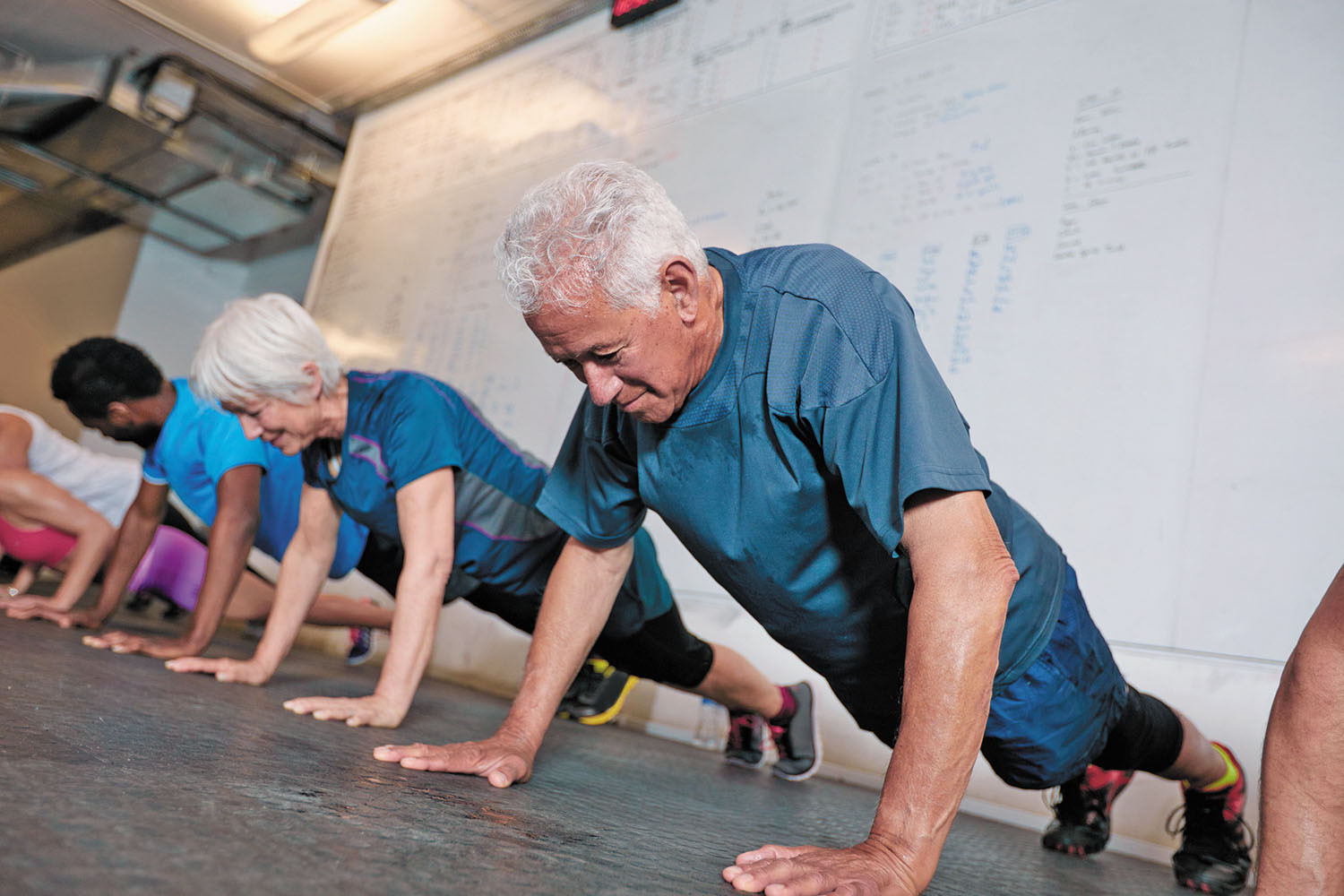
Exercising is one of the best things you can do for your health, and you deserve an enthusiastic pat on the back for any amount of physical activity you're doing. But if you're performing your exercises the wrong way, you could be hurting, not helping your body.
One of the biggest exercise errors is using improper technique. You risk back injury if you arch your back while doing planks or push-ups, and knee injury if you bend too deeply in a lunge or squat (see "Move of the month").

What to order at the coffee shop
Trendy new options are fresh and appealing, but they may not be good for you.
Image: © NatashaPhoto/Getty Images
The. hot item in coffee shops isn't just coffee. Now, along with inventive brews, many shops are offering fresh gourmet noshes that rival food at chic cafes. That means you'll find treats and dishes with all the buzzwords attached, including "house-baked," "handcrafted," and "locally sourced." It also means you may be tempted to eat something that's unhealthy, especially if you're ordering quickly because eight people are in line behind you.
New on the menu
More coffee shops are ditching prepackaged pastries and sandwiches, and operating tiny kitchens that crank out breakfast with flair. For example:
Move more, even if it’s gentle activity
News briefs
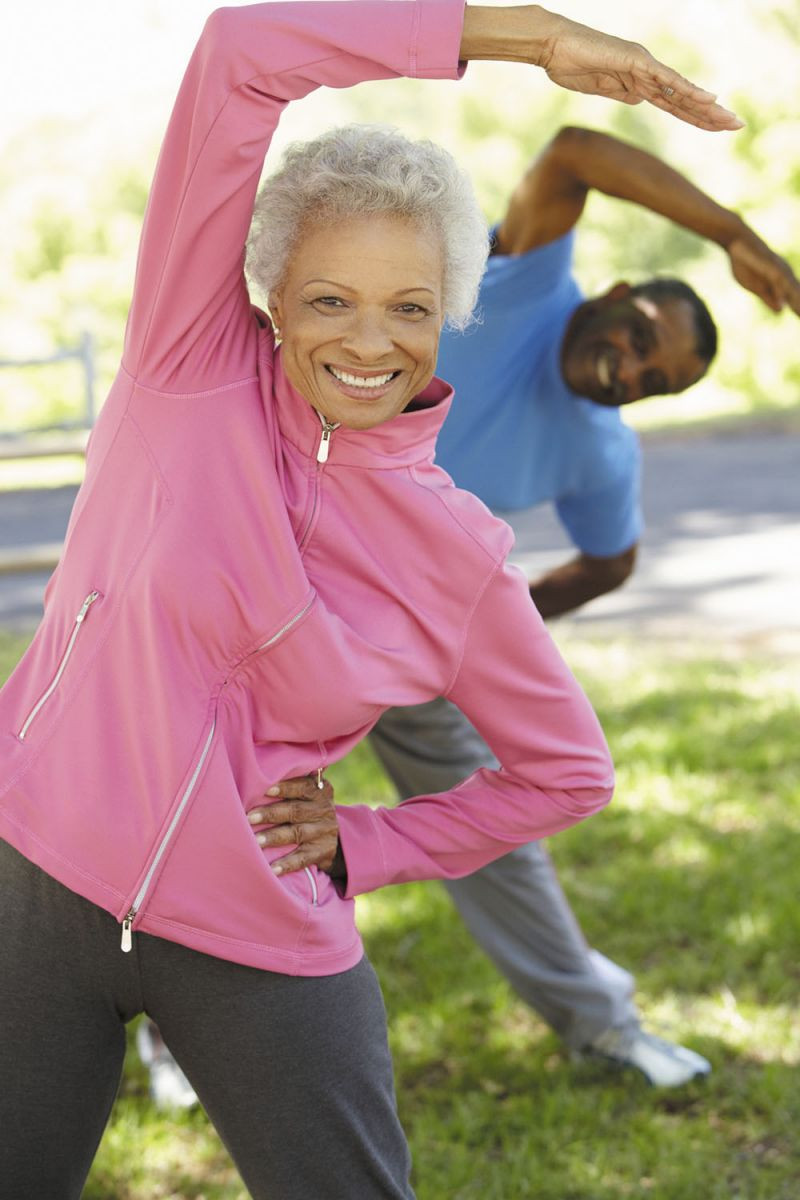
Are you putting off exercise because you think you need to jump into a rigorous routine? An observational study published Aug. 8, 2018, in the Journal of the American Heart Association suggests that even light physical activity, combined with less time sitting, is associated with signs of better heart and blood vessel health among older adults. Researchers analyzed health information for more than 1,600 people ages 60 to 64 who underwent clinical assessments and wore heart and physical activity monitors for five days. Participants' activity ranged from light intensity — like stretching and golfing — to moderate-to-vigorous activity, like brisk walking, dancing, and lawn mowing. Scientists also looked at participants' blood markers for heart and blood vessel disease, including the inflammation markers C-reactive protein and interleukin-6. The results: compared with being sedentary, people with light to moderate activity levels had more favorable biomarker profiles. The takeaway: lots of research has shown that replacing sedentary time with any amount of physical activity is linked to better health, so don't let high activity goals keep you from getting off the couch.
Image: © Mark Bowden/Getty Images

Warning: Avoid these novel treats in shopping malls and restaurants
News briefs
Image: © manustart/Getty Images
If your grandkids urge you to indulge them in a popular new snack at the mall, just say no. The FDA is warning that consuming products with liquid nitrogen added at the last minute can lead to injury. The products are marketed under names such as "Dragon's Breath" and "Nitro Puff." They're cheese puffs or cereal pieces that are frozen in liquid nitrogen and then dipped in a special sauce. When you put them in your mouth, the products release vapor that looks like smoke. Liquid nitrogen is also added to some cocktails to make them look like they're emitting fog. But the FDA says all of these products can cause severe damage to skin and internal organs and may cause breathing problems. The agency advises you to avoid the products.
The lowdown on low-calorie sweeteners
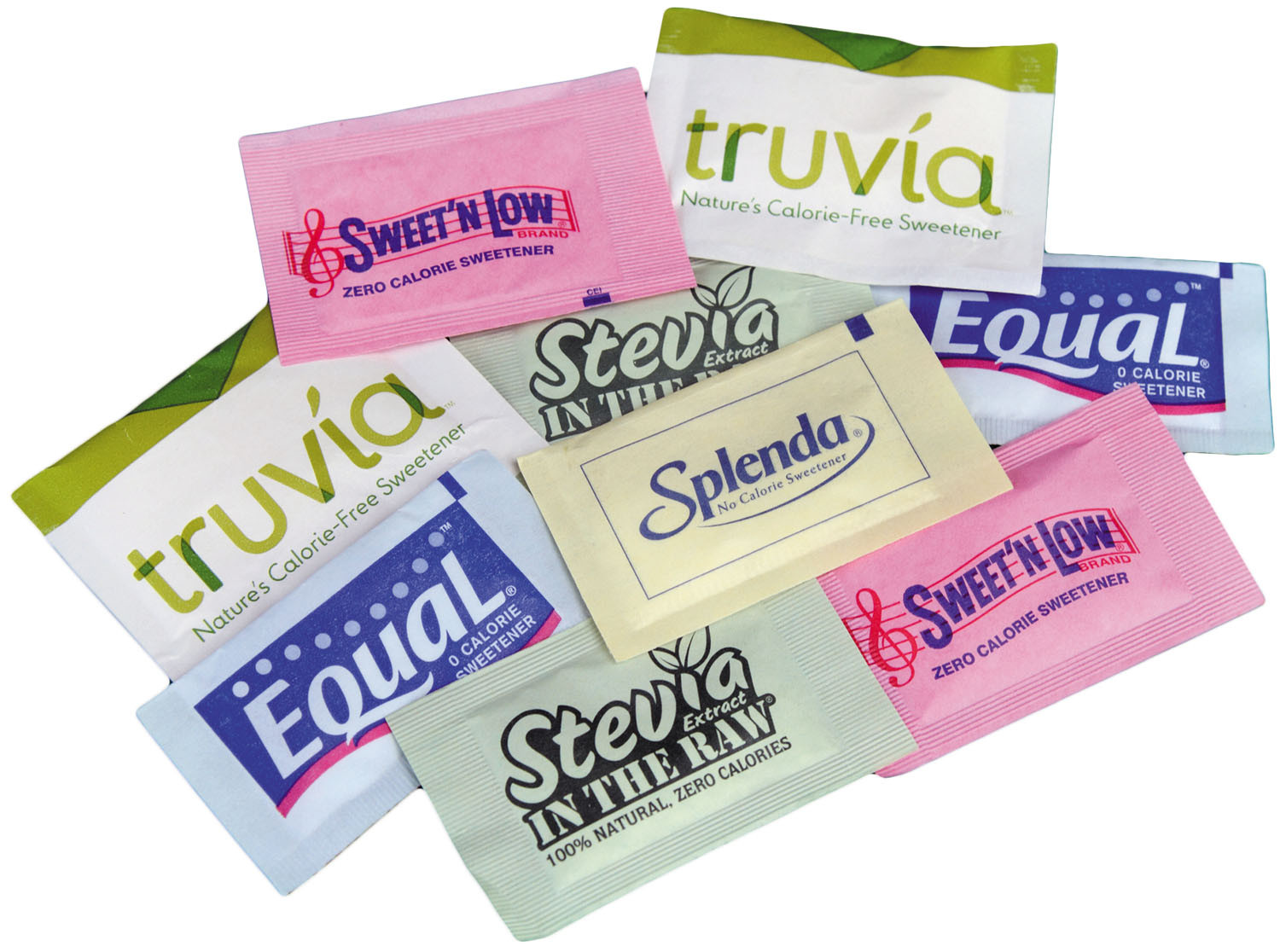
If you're addicted to sweet, bubbly beverages, diet sodas are a better choice than sugary ones. But try switching to healthier options.
Image: © NoDerog/Getty Images
Despite the abundance of added sugar in America's food supply, our love affair with sugary drinks has been waning over the past decade or so.
"In adults, we've seen a 25% drop in the consumption of sugar-sweetened beverages, and I think this trend will continue, given the heightened awareness of the harmful effects of excess sugar," says Dr. Frank Hu, chair of the Department of Nutrition at the Harvard T.H. Chan School of Public Health. Sugary drinks (such as sodas, sports drinks, and lemonade) are the biggest source of added sugar in the American diet and are widely considered to be among the main drivers of the obesity epidemic. A high-sugar diet also has been linked to increasing rates of high blood pressure, high cholesterol, and diabetes, all of which contribute to heart disease.
Vegetable of the month: Sweet potatoes
Image: © HONG VO/Getty Images
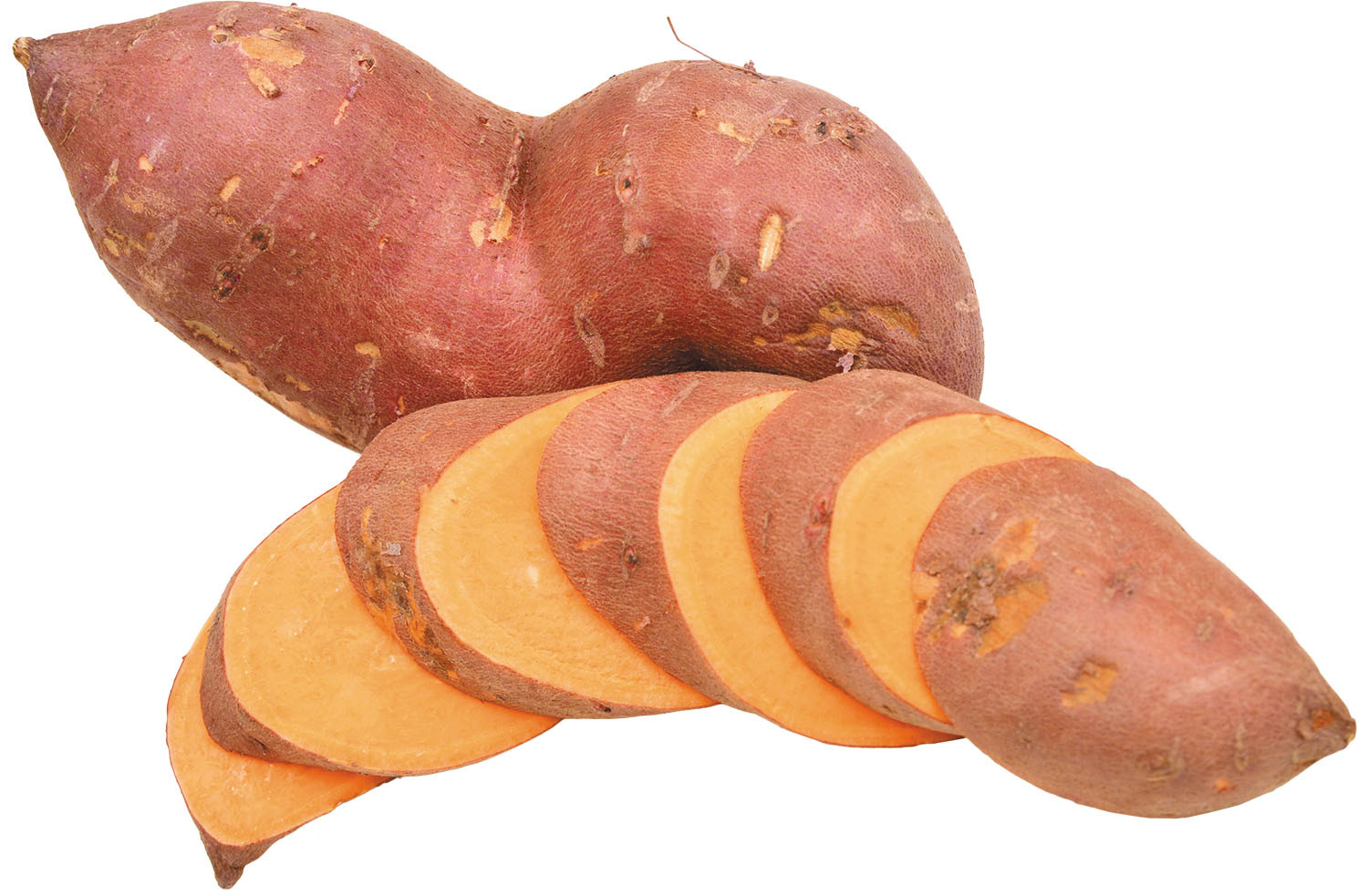
Although people often think of sweet potatoes as a Thanksgiving side dish, these root vegetables are available year-round. They're becoming more popular, too: sweet potato consumption rose by nearly 42% between 2000 and 2016, according to the USDA.
The many varieties of sweet potatoes belong to the morning glory family, Convolvulaceae. The skins range in hue from almost white to dark red, with a few types sporting purple skin. Those unusual varieties may also have lavender or purple flesh. But the most common flesh colors range from white to deep orange.

“Prehabilitation” may improve heart surgery recovery
Image: Thinkstock
Research we're watching
After heart surgery, patients often enroll in cardiac rehabilitation, a multiweek program of structured exercise paired with lifestyle and nutrition education. A new review suggests that a similar program done prior to surgery, known as "prehabilitation," may help older, frail people to recover better from heart surgery.
The prehab approach goes by the acronym NEW, which stands for nutritional status, exercise capacity, and worry reduction. Targeting those three factors seems to improve people's physical and psychological readiness for undergoing surgery, according to the article, published in the July Canadian Journal of Cardiology.
Hip bursitis vs. arthritis: How to tell the difference
Fitness for longevity: Which type matters most?
Ministrokes linked to elevated risk of dementia
Continuous glucose monitors benefit people who don't need insulin
CoQ10: Should you take this popular supplement if you're on a statin?
Microplastics: A hidden health threat?
Oat vs. dairy milk: Nutrition, benefits, and downsides
What is tempeh? Benefits, nutrition, and how to use it
Healing after food poisoning
Whole grains may improve several heart risk factors at once
Free Healthbeat Signup
Get the latest in health news delivered to your inbox!
Sign Up
