

Hip bursitis vs. arthritis: How to tell the difference

Fitness for longevity: Which type matters most?

Ministrokes linked to elevated risk of dementia

Continuous glucose monitors benefit people who don't need insulin

CoQ10: Should you take this popular supplement if you're on a statin?

Microplastics: A hidden health threat?

Oat vs. dairy milk: Nutrition, benefits, and downsides

What is tempeh? Benefits, nutrition, and how to use it

Healing after food poisoning

Whole grains may improve several heart risk factors at once
Healthy eating for older adults Archive
Articles

Getting your five a day
Eating five servings of fruits and vegetables can go a long way to protecting against heart disease and cancer.
Image: © Mypurgatoryyears/Getty Images
We've been told the importance of eating fruits and vegetables ever since childhood, and yet we still tend to ignore this nutritional advice. In fact, a CDC survey found that only 18% of adults eat the recommended five daily servings of fruits and vegetables.
"The main reason older men have trouble reaching this amount is lack of awareness," says Vasanti Malik, a research scientist in the Department of Nutrition of Harvard's T.H. Chan School of Public Health. "They are not always engaged in their nutrition or aware of the impact fruits and vegetables can have on their health."
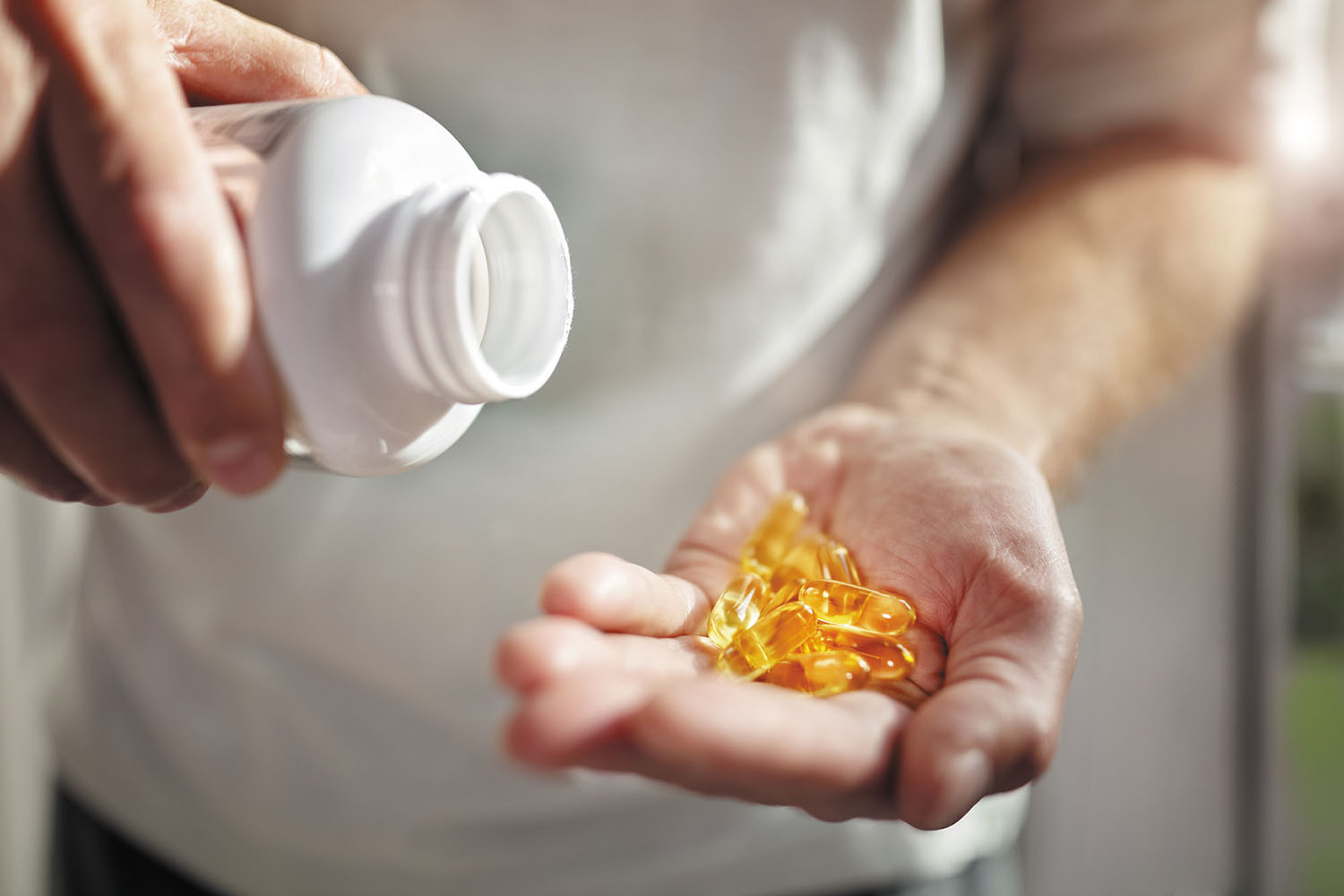
Are there any health benefits to fish oil?
On call
Image: © BrianAJackson/Getty Images
Q. I take fish oil supplements for heart health, but now I hear they aren't helpful. What's the truth?
A. Fish intake remains an important part of a healthy diet, but the enthusiasm for fish oil supplements has been dampened by several recent studies that showed no benefit for a variety of conditions.

Do I ever need a stress test?
On call
Q. I am 65 years old and in good health, and I see my doctor once a year for an annual exam. Should I request a stress test at my next physical?
A. Although heart disease is common in men, routine cardiac stress testing is not recommended for otherwise healthy men. It may seem counterintuitive not to look for heart disease in healthy men, especially when many people know someone who unexpectedly had a heart attack or even died suddenly from a heart problem. Yet, stress testing does not accurately identify men at risk for sudden cardiac death.

Eggs might help your heart, not harm it
In the journals
Image: © bajinda/Getty Images
Two recent studies have found that eggs do not raise the risk of heart disease, and in fact may even protect against it.
The first study, published online May 7, 2018, by The American Journal of Clinical Nutrition, looked at how egg consumption affected 128 people with prediabetes or type 2 diabetes; both conditions put people at a higher risk of heart disease and stroke. For three months, half of the participants ate 12 eggs a week, while the other half ate two eggs or fewer per week. Everyone also followed the same weight-loss diet that avoided saturated fats like butter and included healthier monounsaturated and polyunsaturated fats like avocado and olive oils.
Diet might delay — or hasten — the onset of menopause
How old you are when you go through menopause could be influenced by the foods you eat.
Image: © stepangilev/Getty Images
Could the foods you eat help determine when you start menopause? They might, says a new study published online April 30 by the Journal of Epidemiology and Community Health. Researchers found that women who ate more fish and beans and other legumes started menopause at a later age, while women who ate a diet heavy on refined pasta and rice went through the change earlier.
Why do the results matter?
How old a woman is when she goes through menopause may have implications for her health. Past research has linked certain health risks to menopause that occurs either very early (before age 40) or late (age 55 or older). Going through menopause at an earlier age has been associated with lower bone density and a higher risk for osteoporosis, cardiovascular disease, depression, and — in some instances — premature death.

What kind of sun protection is best for babies, pregnant women, and breastfeeding women?
Ask the doctors
Q. Should pregnant or breastfeeding women and their children use sunscreen?
A. The American Academy of Dermatology recommends that people avoid applying sunscreen to the skin of babies younger than 6 months of age, and instead shield them from the sun, keeping them in the shade as much as possible. It's also a good idea to protect them from the sun using clothing, hats, and sunglasses.

Prevent injuries by avoiding some common culprits
Simple everyday objects can result in cuts, bruises, and broken bones.
Image: © fotokostic/Getty Images
Everyday objects from pet supplies to kitchen appliances may seem innocuous, but they can cause injuries, including bone breaks, cuts, and burns. Doctors who treat these injuries often see some common themes. We asked Dr. Tamara Rozental, an associate professor of orthopedic surgery at Harvard Medical School, about what injuries she frequently sees from common items — and ways to stay safe.
Dog leashes
"I see many injuries from dog leashes. People often get tangled and pulled over," Dr. Rozental says. In other instances, fingers get bent, broken, or crushed when people get their hand stuck in the leash and the dog pulls.

Sunscreen in a pill?
Research we're watching
The FDA is warning consumers not to buy in to the idea that a pill can protect your skin from the sun.
In a statement issued May 22, FDA officials said they've found companies selling pills that are labeled as dietary supplements and that claim to protect skin from the sun.

Eat an egg for breakfast, prevent a stroke?
Research we're watching
Image: © Twomeows_IS/Getty Images
Eating an egg a day may help protect against cardiovascular disease, according to a study published online May 21 by the journal Heart. Researchers found that people who ate an egg every day had an 18% lower risk of dying from cardiovascular disease and a 28% lower risk of experiencing a deadly hemorrhagic stroke, compared with people who didn't eat eggs.
The study included more than 400,000 adults ages 30 to 79. Participants were from 10 survey sites in China. Researchers looked at how often study subjects reported eating eggs and then tracked their health for nearly nine years using registries and other methods.
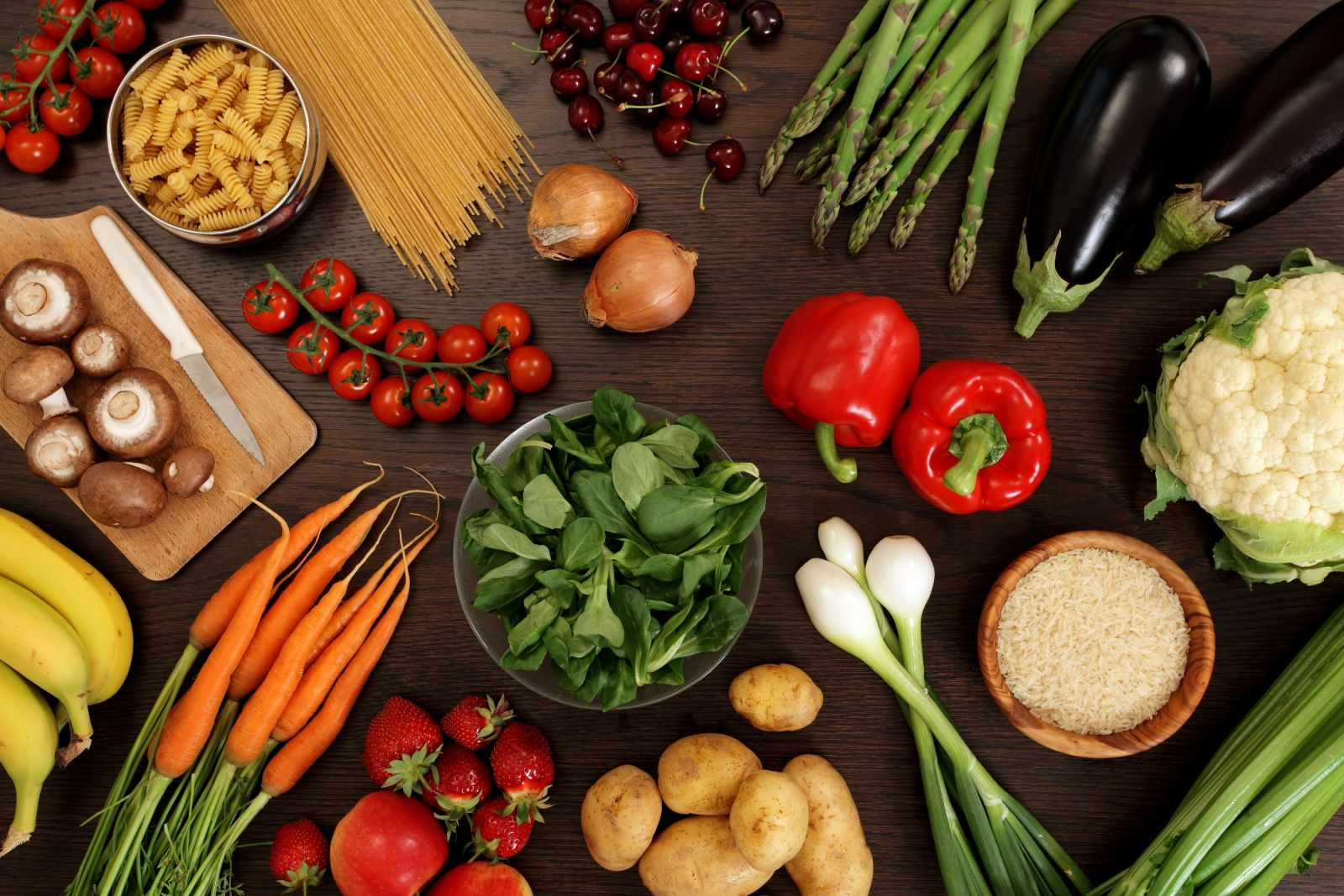
3 diet changes to help lower cholesterol levels
By lowering your blood LDL ("bad") cholesterol level, even if it is normal, you help reduce your chances of having a heart attack. It's especially important if the LDL level is above 130 milligrams per deciliter. For every 10% drop in your cholesterol level, your heart attack risk potentially falls by 20% to 30%.
There are several steps you can take to lower your cholesterol level, like losing weight if needed, being more active, and choosing healthy foods. Here are three simple steps toward a healthier, cholesterol-lowering diet:
Hip bursitis vs. arthritis: How to tell the difference
Fitness for longevity: Which type matters most?
Ministrokes linked to elevated risk of dementia
Continuous glucose monitors benefit people who don't need insulin
CoQ10: Should you take this popular supplement if you're on a statin?
Microplastics: A hidden health threat?
Oat vs. dairy milk: Nutrition, benefits, and downsides
What is tempeh? Benefits, nutrition, and how to use it
Healing after food poisoning
Whole grains may improve several heart risk factors at once
Free Healthbeat Signup
Get the latest in health news delivered to your inbox!
Sign Up
