

Hip bursitis vs. arthritis: How to tell the difference

Fitness for longevity: Which type matters most?

Ministrokes linked to elevated risk of dementia

Continuous glucose monitors benefit people who don't need insulin

CoQ10: Should you take this popular supplement if you're on a statin?

Microplastics: A hidden health threat?

Oat vs. dairy milk: Nutrition, benefits, and downsides

What is tempeh? Benefits, nutrition, and how to use it

Healing after food poisoning

Whole grains may improve several heart risk factors at once
Healthy eating for older adults Archive
Articles

Ask the doctor: Reversing atherosclerosis?
Some people may be able to reverse the buildup of plaque inside their heart’s arteries by taking high-dose cholesterol-lowering drugs or by following a strict, plant-based diet combined with exercise and stress reduction.


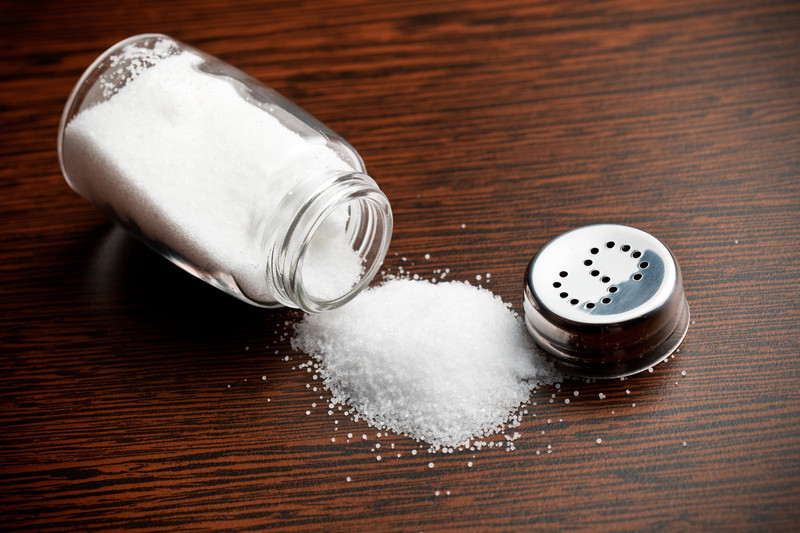
6 ways to eat less salt
DASH diet effective but not the only way to reduce sodium
Your body needs a little bit of salt every day for the sodium it contains. But too much sodium can boost blood pressure and stress the heart and blood vessels. The low-sodium Dietary Approaches to Stop Hypertension (DASH) diet is high in fruits, vegetables, and whole grains; moderately high in nuts and low-fat dairy products; and low in red and processed meats. Following it can lower blood pressure and reduce the risk of heart disease and stroke.
The DASH diet is a good way to eat healthy. But there's no need to follow that specific diet to get measurable results. If you want to tackle cutting back on sodium, try these six tips:

Which foods don't belong in a healthy diet?
Keep unhealthy foods to minimum, balanced with nutritious choices
Image: iStock
What exactly is a healthy diet? The basics are pretty simple. Everyone needs a mix of proteins, carbohydrates, and fats, plus enough vitamins and minerals for optimal health. But science is revealing that some of the food choices within these categories are better than others.
Go slow on unhealthy foods
Are there foods you never should eat? Not really. If you crave an ice cream sundae occasionally, have a small one. But don't make it a daily event. Offset the chips you ate at your neighbor's barbeque with healthier snacks at home. Healthy eating doesn't mean eliminating certain foods altogether. However, there are some things that are best eaten only rarely.
The longer you carry extra pounds, the higher your cancer risk, study suggests
Degree and duration of overweight were linked with an increased risk of several cancers among 74,000 participants in the Women’s Health Initiative.

Reading books may add years to your life
An analysis of records of 5,635 participants in the Health and Retirement Study linked regular book reading with a 20% reduced risk of dying over a 12-year period.

Why sitting may be hazardous to your health
Interrupting sedentary time with short bouts of exercise may diminish the dangers of inactivity.
Image: Image_Source_/iStock
Every time we think we have a handle on all the things that are bad for us, another one is added to the list. A few years ago, researchers put inactivity on the roster of major health risks. "Everybody knows smoking is bad for your health. But what isn't common knowledge is that physical inactivity is as powerful a risk factor as smoking," says Dr. I-Min Lee, professor of medicine at Harvard Medical School. Dr. Lee, who has studied the effects of exercise for more than a decade, was one of the first to identify inactivity as a health hazard.
Dr. Lee was among the experts contributing to a special issue on health and exercise of the British journal The Lancet commemorating the 2012 Olympic Games in London. She and her colleagues pored over reports from scores of large observational studies conducted worldwide in which participants answered questions about their lifestyles, including their levels of physical activity, and were then followed over a period of years to see how they fared. When the researchers compared the health outcomes of participants who were inactive—those getting less than 150 minutes a week of moderate exercise—to those who got more exercise, they found that inactivity alone counted for an increased risk of breast and colon cancers as well as heart disease and diabetes. They computed that inactivity was responsible for more than five million deaths a year worldwide, about the same as the number of deaths attributable to smoking.
Hip bursitis vs. arthritis: How to tell the difference
Fitness for longevity: Which type matters most?
Ministrokes linked to elevated risk of dementia
Continuous glucose monitors benefit people who don't need insulin
CoQ10: Should you take this popular supplement if you're on a statin?
Microplastics: A hidden health threat?
Oat vs. dairy milk: Nutrition, benefits, and downsides
What is tempeh? Benefits, nutrition, and how to use it
Healing after food poisoning
Whole grains may improve several heart risk factors at once
Free Healthbeat Signup
Get the latest in health news delivered to your inbox!
Sign Up
