

Hip bursitis vs. arthritis: How to tell the difference

Fitness for longevity: Which type matters most?

Ministrokes linked to elevated risk of dementia

Continuous glucose monitors benefit people who don't need insulin

CoQ10: Should you take this popular supplement if you're on a statin?

Microplastics: A hidden health threat?

Oat vs. dairy milk: Nutrition, benefits, and downsides

What is tempeh? Benefits, nutrition, and how to use it

Healing after food poisoning

Whole grains may improve several heart risk factors at once
Healthy eating for older adults Archive
Articles

The benefits of vitamin pills and chocolate
Although theoretically multivitamins and chocolate might reduce the risk of heart disease and some cancers, proof is lacking. A new randomized trial called COSMOS will test whether multivitamin pills and cocoa pills have health benefits.

Virtual doctor visits: A new kind of house call
A doctor shows up on your computer or smartphone, not your doorstep. Should you try it?
Image: AndreyPopov/ Thinkstock
Getting a doctor's advice no longer requires a visit to the exam room. Thanks to videoconferencing applications (apps) for smartphones, tablets, and home computers, you can experience a virtual visit with a physician at any time, day or night. "The convenience factor is striking. You're home sick, and 24/7 you can see a doctor on your electronics," explains Dr. Ateev Mehrotra, an internist and a Harvard Medical School researcher who studies new ways of delivering health care.
Not just a fad
Quality of care
Physicians who take part in virtual visits are vetted. They're assigned to you based on where you live, they are licensed in your state, they're board-certified, they carry malpractice insurance, and they can even order tests and prescriptions for you. But without seeing you in person, their ability to assess you is limited. "The physician can look at your rash, but can't examine the back of your throat or listen to your lungs. If it's a virtual visit for depression, it probably doesn't make a difference. But if you're having abdominal pain, you really need a doctor who can perform a physical examination," says Dr. Mehrotra.
Studies on virtual visits have been mixed. For example, antibiotics may not be prescribed as appropriately during virtual visits as during in-person visits. "And it appears that physicians are much less likely to order a test you may need, which could be a problem if you have strep throat," says Dr. Mehrotra.
When to try a visit
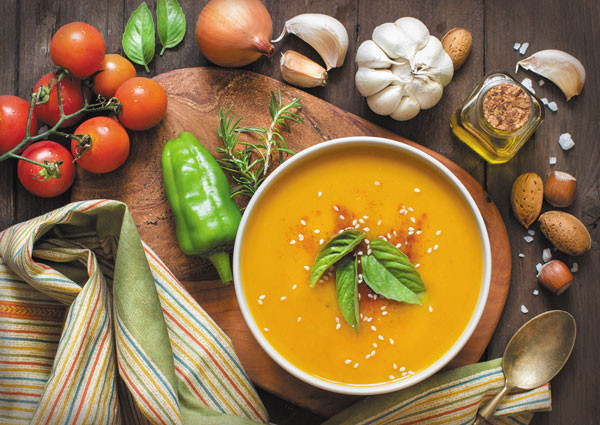
An easy way to soup up your diet
Soups with healthy ingredients help boost your nutrition. But watch out for extra salt, sugar, fat, and calories.
Image: Karissa/ Thinkstock
A bowl of soup is comforting and convenient. Make a big batch at home, and you'll have enough for extra meals. Stick to healthy ingredients, and it's an easy way to increase your intake of vegetables, protein, fiber, or even fruit. Maybe that's behind the popularity of soups, which are increasingly showing up as gourmet restaurant fare; in soup "bars" offering rotating varieties; at tiny take-out windows; and in grocery stores.
But this simple soul food has hidden risks. "You must be careful about the ingredients and what you pair with it," says registered dietitian Kathy McManus, director of the Department of Nutrition at Harvard-affiliated Brigham and Women's Hospital.
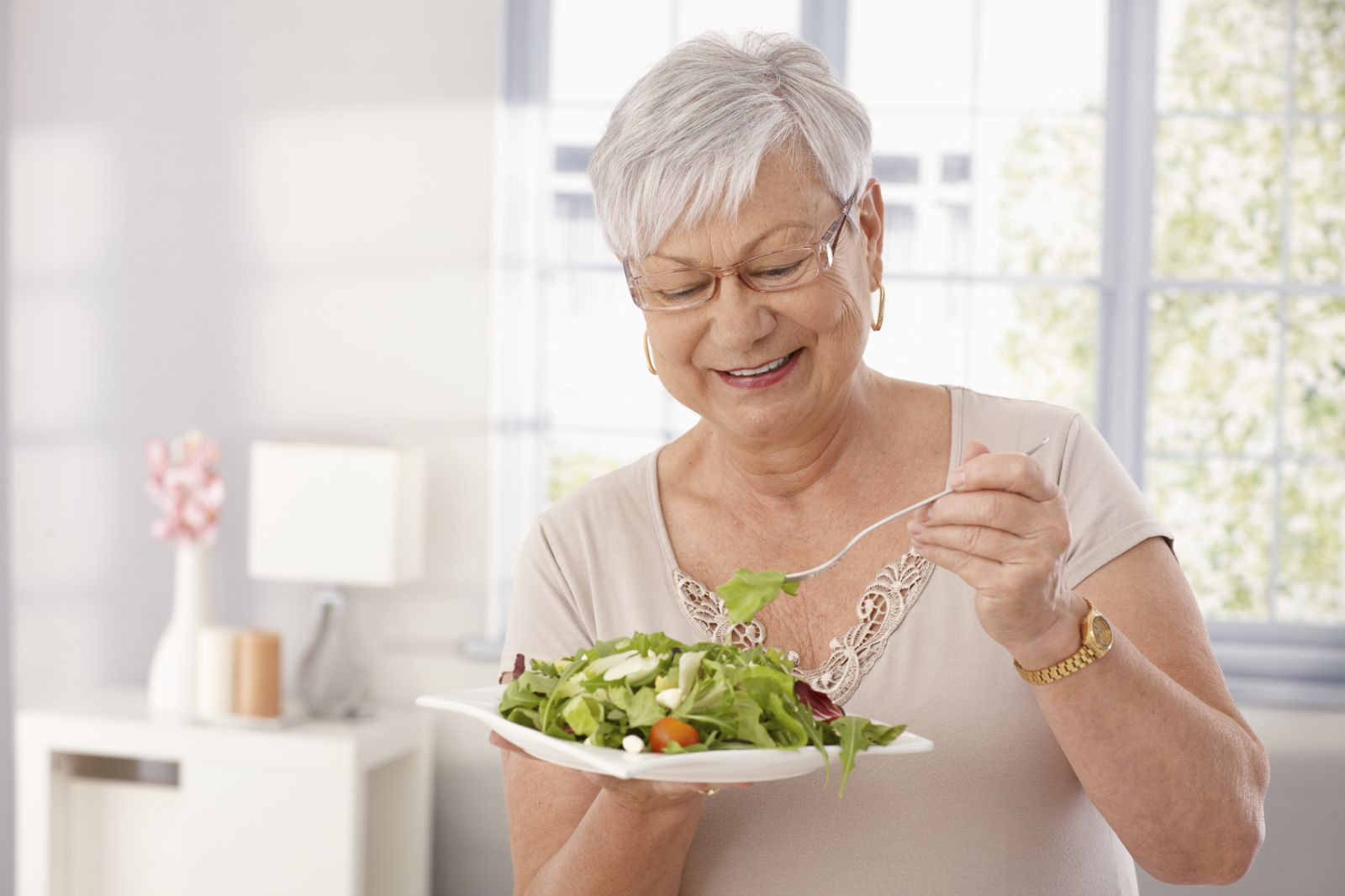
Choking alert: Strategies for safe swallowing
Therapy, exercises, and changes in eating habits will help keep you safe.
Image: nyul/ iStock
It used to be so easy to munch a handful of nuts: chew, swallow, enjoy. Now, you avoid them or make sure there's a glass of water nearby when you eat nuts or any other foods that seem to get stuck in your throat. "It's normal to have some age-related changes with swallowing or occasional difficulty swallowing. What's not normal is when food or liquids get into the lungs regularly," says Semra Koymen, a speech-language pathologist at Harvard-affiliated Brigham and Women's Hospital.
Causes and symptoms
Diagnosis
A speech pathologist's evaluation of dysphagia includes an exam of your mouth and tongue, consideration of your medical history and symptoms, and most likely a test in the radiology department called a video swallow study. It's done using a fluoroscopean x-ray machine that takes moving pictures. You swallow a variety of liquids and foods mixed with barium, a substance that shows up on x-rays. "As you swallow, we can see the material move through the mouth and throat and into the esophagus," says Koymen.
Treatment

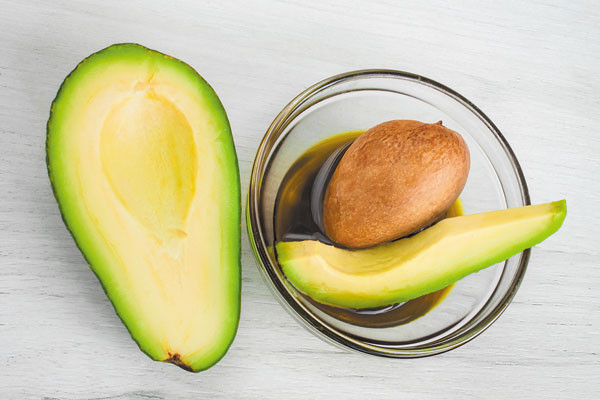
Harvard researchers link “good” fats with longer life
It appears that eating more saturated and trans fats is associated with earlier death, while eating more polyunsaturated and monounsaturated fats is associated with longer life.

Benefits of volunteering: This may be the time to cash in
A study published online Aug. 8, 2016, by BMJ Open found that volunteering seems to confer greater benefits for general well-being in middle and older age than earlier in life.
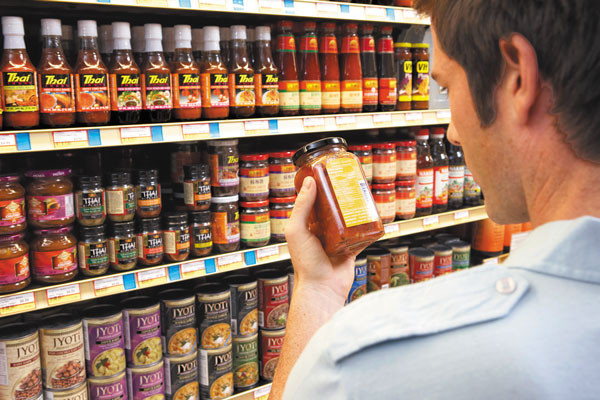
The Nutrition Facts label finally gets a makeover
Updates that may benefit heart health include details on added sugars and more accurate serving sizes.
Image: Noel Hendrickson/ Thinkstock
The information on the Nutrition Facts label—that small box of nutrition-related data on the back of all food packages—has stayed pretty much the same since its introduction back in 1993. But earlier this year, the FDA approved a number of revisions to the panel. The changes reflect the evolving scientific evidence on the connections between diet and chronic illness—particularly obesity and heart disease.
The updated labels won't be mandatory for nearly two years, but the agency provided a preview (see "The new label: What's different?"). These changes may benefit consumers not only by helping them choose more nutritious foods, but also by driving the food industry to make products healthier, says Dr. Eric Rimm, professor of epidemiology and nutrition at the Harvard T.H. Chan School of Public Health. Many of the changes are relevant for people concerned about heart disease—especially the new data on added sugars.

Fatty liver disease and your heart
About one in three adults has nonalcoholic fatty liver disease, an often-silent condition closely linked to heart disease.
Image: decade3d/ iStock
The largest organ inside your body, your liver performs hundreds of vital functions. It converts food into fuel, processes cholesterol, clears harmful toxins from the blood, and makes proteins that help your blood clot, to name a few. But an alarming number of Americans have a potentially dangerous accumulation of fat inside their livers. Known as nonalcoholic fatty liver disease (NAFLD), this condition is a leading cause of chronic liver disease in the United States—and an increasingly recognized contributor to heart disease.
"NAFLD increases the risk of heart disease independent of other traditional risk factors such as high blood pressure and cholesterol," says Dr. Kathleen Corey, director of the Fatty Liver Disease Clinic at Massachusetts General Hospital. Among people with NAFLD, heart disease is the top killer, accounting for more than 25% of deaths.

The power of plant-based protein: A longer life?
People who eat more plant-based proteins from beans, nuts, and grains may have a lower risk of dying from heart disease or any cause, compared with people who eat more animal-based proteins such as meat or eggs.
Hip bursitis vs. arthritis: How to tell the difference
Fitness for longevity: Which type matters most?
Ministrokes linked to elevated risk of dementia
Continuous glucose monitors benefit people who don't need insulin
CoQ10: Should you take this popular supplement if you're on a statin?
Microplastics: A hidden health threat?
Oat vs. dairy milk: Nutrition, benefits, and downsides
What is tempeh? Benefits, nutrition, and how to use it
Healing after food poisoning
Whole grains may improve several heart risk factors at once
Free Healthbeat Signup
Get the latest in health news delivered to your inbox!
Sign Up
