

Hip bursitis vs. arthritis: How to tell the difference

Fitness for longevity: Which type matters most?

Ministrokes linked to elevated risk of dementia

Continuous glucose monitors benefit people who don't need insulin

CoQ10: Should you take this popular supplement if you're on a statin?

Microplastics: A hidden health threat?

Oat vs. dairy milk: Nutrition, benefits, and downsides

What is tempeh? Benefits, nutrition, and how to use it

Healing after food poisoning

Whole grains may improve several heart risk factors at once
Healthy eating for older adults Archive
Articles


Harvard Health Ad Watch: How direct-to-consumer ads hook us
Direct-to-consumer (DTC) drug ads promoting treatments for arthritis, cancer, heartburn, psoriasis, flagging memory, and more are all everywhere you look. All too often, the information shared is incomplete, biased, or confusing--here's what to watch out for and how to get the whole story when considering treatment options.


The healing power of kindness
Acts of kindness do more than make the giver and recipient feel good-they can also bolster psychological and physical health. Research suggests kindness can improve happiness and increase social connectedness as well as reduce anxiety and lower blood pressure. Evidence also suggests concentrating good deeds into shorter time periods enhances well-being more powerfully than spreading actions out. Kind acts can include complimenting people, running errands for a neighbor, making a donation to charity, and signing up to volunteer.

A simple way to look at sugar
Natural sugar is found in many nutritious foods like fruits, vegetables, and grains. Refined "bad" sugar is added to many unhealthy food products like sweetened beverages, desserts, breakfast cereals, and fruit-flavored yogurt. Added sugars are also present in soup, tomato sauce, and condiments like ketchup, relish, barbecue sauce, and salad dressing. To curb sugar intake, read food labels carefully, noting the amounts of added sugar, and choose products with less than 10 grams per serving.
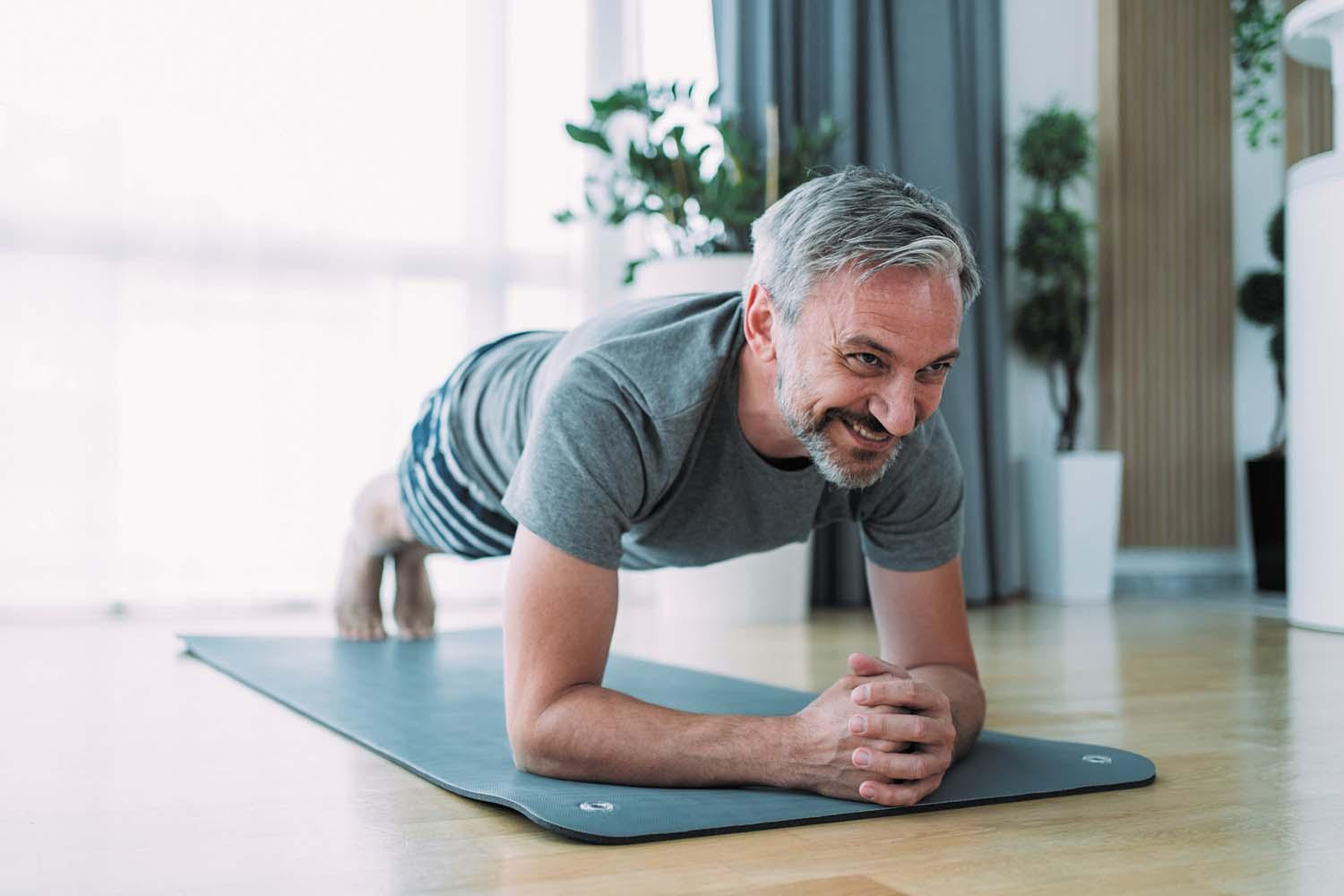
Are you headed for a fall?
People often don't realize they are at high risk for falling until after they've taken a tumble. Studies have shown that maintaining optimal core and postural strength, good balance, and flexibility in the calves and hips are the best ways to prevent falls. At-home tests can help highlight weaknesses in these three areas that can then be addressed with a personal trainer or physical therapist.

Try this: Different probiotics
Yogurt is a popular source for probiotics, the "good" live bacteria a person's diet needs to counterbalance harmful bacteria in the gut. But there are other choices available, such as kefir, kimchi, kombucha, miso, and tempeh.

How well does body mass index correlate with excess fat?
Body mass index (BMI) uses weight and height to calculate whether a person is overweight or obese. However, it cannot determine the amount of visceral fat that lies deep inside the body. Two better methods are measuring waist size and determining waist-to-hip ratio.

Navigating "male menopause"
During midlife and later, men often experience a lower energy level, sour mood, and decline in sex drive. These changes have been tagged with the term "male menopause." A low testosterone level may be a factor. Lifestyle changes, such as losing weight, increasing exercise, and following healthy sleep patterns, can help raise low levels. Another option is testosterone replacement therapy, but men need to weigh the possible benefits versus the risks.

Stopping sepsis in its tracks
Sepsis causes or contributes to an estimated 20% of all deaths worldwide. The condition begins with an infection that spreads and over activates the immune system, which releases damaging inflammatory chemicals that lead to organ failure. Any infection can trigger sepsis, but those that begin in the lungs, urinary tract, gastrointestinal tract, or skin are more likely to do so. Older people are more susceptible to sepsis. The condition may be avoided by stopping bacterial or viral infections from occurring or worsening.
Hip bursitis vs. arthritis: How to tell the difference
Fitness for longevity: Which type matters most?
Ministrokes linked to elevated risk of dementia
Continuous glucose monitors benefit people who don't need insulin
CoQ10: Should you take this popular supplement if you're on a statin?
Microplastics: A hidden health threat?
Oat vs. dairy milk: Nutrition, benefits, and downsides
What is tempeh? Benefits, nutrition, and how to use it
Healing after food poisoning
Whole grains may improve several heart risk factors at once
Free Healthbeat Signup
Get the latest in health news delivered to your inbox!
Sign Up
