

Hip bursitis vs. arthritis: How to tell the difference

Fitness for longevity: Which type matters most?

Ministrokes linked to elevated risk of dementia

Continuous glucose monitors benefit people who don't need insulin

CoQ10: Should you take this popular supplement if you're on a statin?

Microplastics: A hidden health threat?

Oat vs. dairy milk: Nutrition, benefits, and downsides

What is tempeh? Benefits, nutrition, and how to use it

Healing after food poisoning

Whole grains may improve several heart risk factors at once
Healthy eating for older adults Archive
Articles
Should you try the keto diet?
The ketogenic diet deprives the body of carbohydrates for fuel. Instead, the body uses ketone bodies, a type of fuel that the liver produces from stored fat. Keto diet followers must eat fat at each meal. In a daily 2,000-calorie diet, that might look like 165 grams of fat, 40 grams of carbs, and 75 grams of protein. Ditching carbs means limiting fruits and vegetables, which raises the risk for nutrient deficiencies. The keto diet also increases the risk for kidney, liver, mood, and thinking problems.

Can AI answer medical questions better than your doctor?
When a study asked doctors and artificial intelligence to respond to selected patient questions, a chatbot received higher ratings for empathy and quality. But a closer look at the research spotlights important limitations and findings.


11 foods that lower cholesterol
Certain foods, such as beans, oats and whole grains, fatty fish, and fruits and vegetables that are high in fiber, can lower "bad" LDL cholesterol.

Taking aim at belly fat
Though the visceral fat that lies behind the abdominal wall makes up only a small percentage of the body's fat, a growing body of research indicates that it is linked to a number of diseases and conditions.

Got an ear full? Here's some advice for ear wax removal
Earwax helps keep the ear canal clean, but if it dries out it can clump together and cause a blockage. A few drops of water held in the ear canal for a minute or so will usually dislodge the wax.

How to stay healthy during a drought
With climate change, rising temperatures are making many regions dry within the US and beyond. The effects of droughts on the planet and our health are complex, and include water shortages, higher risk of disease, changes in habitability, and worse air quality.


How well do you worry about your health?
It's impossible to never worry about your health - but are you worrying about the right things? Popular fears and Google and TikTok searches suggest our top concerns may bypass common health issues. So what should concern us and what can we do about it?

How to shop for healthier foods
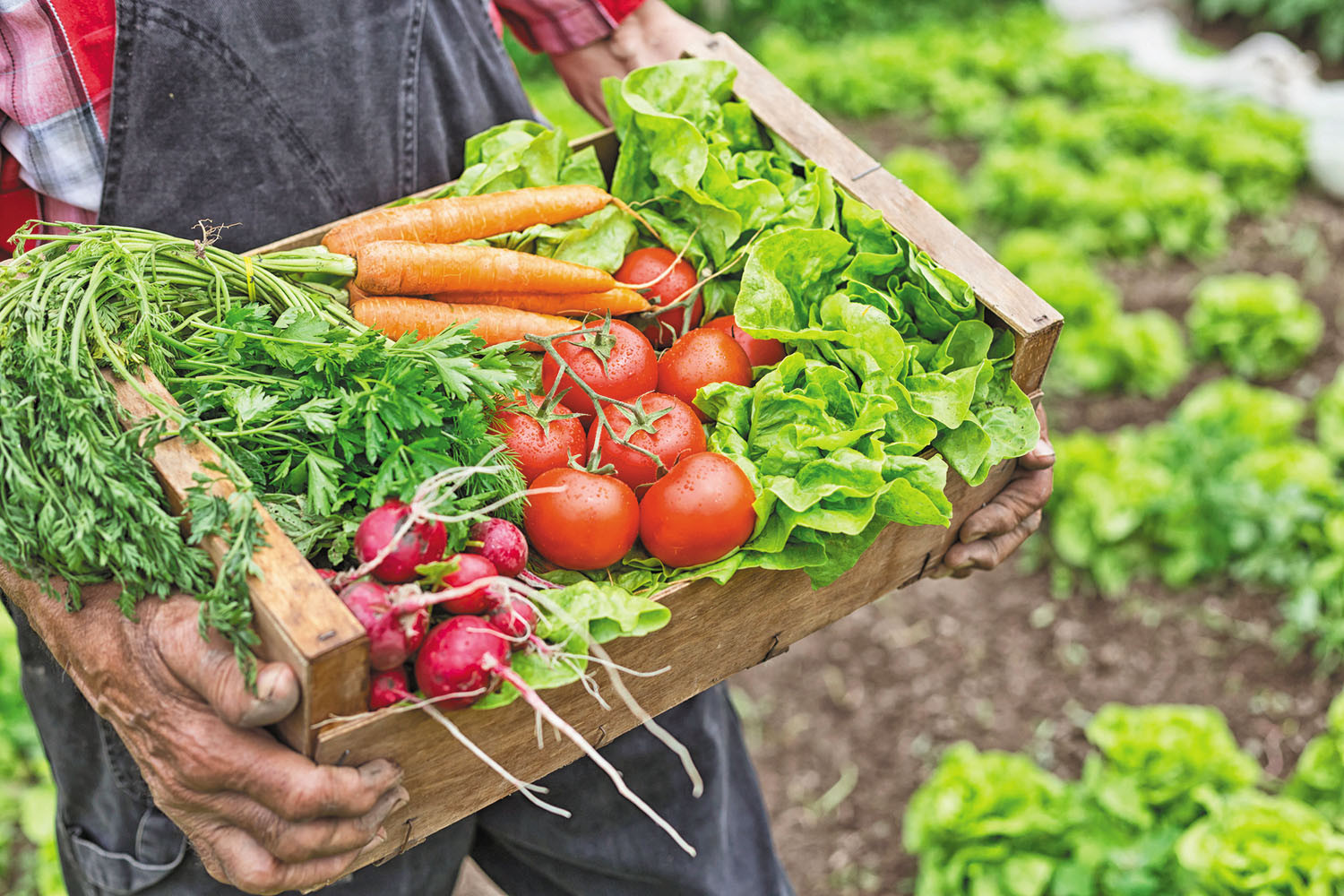
Men's diets should include plenty of whole foods like fruits, vegetables, legumes, and whole grains, while avoiding high amounts of processed foods. However, men should be mindful about reading food labels when shopping to ensure they get more of the healthiest nutrients and much less of certain substances. In particular, men should focus on adding more fiber and decreasing their intake of sodium and added sugar.
Hip bursitis vs. arthritis: How to tell the difference
Fitness for longevity: Which type matters most?
Ministrokes linked to elevated risk of dementia
Continuous glucose monitors benefit people who don't need insulin
CoQ10: Should you take this popular supplement if you're on a statin?
Microplastics: A hidden health threat?
Oat vs. dairy milk: Nutrition, benefits, and downsides
What is tempeh? Benefits, nutrition, and how to use it
Healing after food poisoning
Whole grains may improve several heart risk factors at once
Free Healthbeat Signup
Get the latest in health news delivered to your inbox!
Sign Up
