

Hip bursitis vs. arthritis: How to tell the difference

Fitness for longevity: Which type matters most?

Ministrokes linked to elevated risk of dementia

Continuous glucose monitors benefit people who don't need insulin

CoQ10: Should you take this popular supplement if you're on a statin?

Microplastics: A hidden health threat?

Oat vs. dairy milk: Nutrition, benefits, and downsides

What is tempeh? Benefits, nutrition, and how to use it

Healing after food poisoning

Whole grains may improve several heart risk factors at once
Healthy eating for older adults Archive
Articles
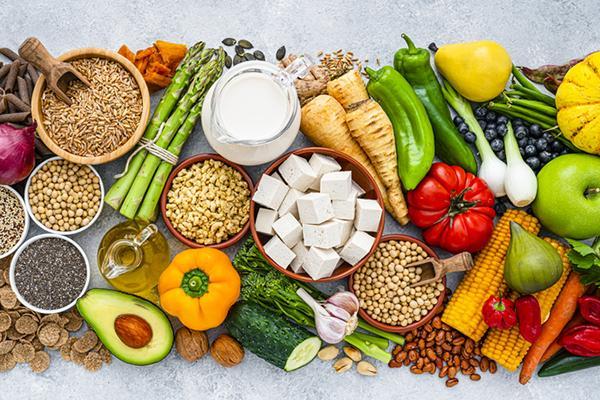
Healthier plant-based diet tied to lower risk of dementia
A 2026 study suggested that people who eat healthier plant-based diets, which prioritize whole grains, fruits, vegetables, and legumes, have a lower risk of developing dementia than people who eat a plant-based diet that includes more refined grains, fruit juices, and added sugars.

Do carbonated drinks weaken bones or worsen osteoporosis?
Research hints heavy soda consumption may weaken bones, especially in women. See what studies show, why the link is unclear, and steps you can take to protect bone health.

Tackling the top stressors for dementia caregivers
Caring for a person with dementia is physically, emotionally, logistically, and financially demanding. Caregivers can benefit from numerous services, such as caregiver support groups; respite care; and dementia care navigators, such as the local Area Agency on Aging (which can provide a long list of resources) or a local hospital dementia care program. It can also help to speak to doctors about consolidating appointments for the person with dementia and to reach out to family and friends to ask for assistance.


Taking an aging parent to the doctor? 10 helpful tips
When you take an aging parent to a medical appointment, you wind up playing many roles. Millions of people in the US are caring for family members and are learning as they go along, so they can benefit from tips to keep them on track before, during, and after the appointment.

Caregiver nation: New tools to manage a family member's health as well as your own
There are all kinds of free educational opportunities designed to help family caregivers jump into their roles and better manage their own health. Family caregiver education is available in classes or workshops you attend in person. The Internet offers how-to articles, videos, podcasts, books, and guides for caregivers. Topics range from the basics of caregiving to the more nuanced challenges, such as communicating with a person with dementia. Many classes focus on how to cope as a caregiver and maintain one's health and wellness.

Are you healthy enough to age in place?
There are many health-related requirements for living independently in older age. For example, one needs sharp thinking skills in order to manage medications, pay bills, choose clothes for the day, and select and buy groceries; and one needs strength, balance, and flexibility in order to get up from a chair, cook, or clean. People with weakening aspects of health should talk to a doctor for potential solutions to improve or cope with health challenges in order to continue living independently.

When should you hire in-home help or health aides?
Most people want to live at home for as long as possible as they age, and managing this successfully may mean hiring outside help. Considering this step raises many questions, and answering them honestly will help guide decisions about when and how to proceed.

Hip bursitis vs. arthritis: How to tell the difference
Fitness for longevity: Which type matters most?
Ministrokes linked to elevated risk of dementia
Continuous glucose monitors benefit people who don't need insulin
CoQ10: Should you take this popular supplement if you're on a statin?
Microplastics: A hidden health threat?
Oat vs. dairy milk: Nutrition, benefits, and downsides
What is tempeh? Benefits, nutrition, and how to use it
Healing after food poisoning
Whole grains may improve several heart risk factors at once
Free Healthbeat Signup
Get the latest in health news delivered to your inbox!
Sign Up
