

Hip bursitis vs. arthritis: How to tell the difference

Fitness for longevity: Which type matters most?

Ministrokes linked to elevated risk of dementia

Continuous glucose monitors benefit people who don't need insulin

CoQ10: Should you take this popular supplement if you're on a statin?

Microplastics: A hidden health threat?

Oat vs. dairy milk: Nutrition, benefits, and downsides

What is tempeh? Benefits, nutrition, and how to use it

Healing after food poisoning

Whole grains may improve several heart risk factors at once
Healthy Eating Archive
Articles

Why eat lower on the seafood chain?
Cutting back on red meat and replacing it with poultry or seafood is a good choice because those are healthier sources of protein - and better for the environment. Choosing seafood that is lower on the food chain can amplify those benefits.
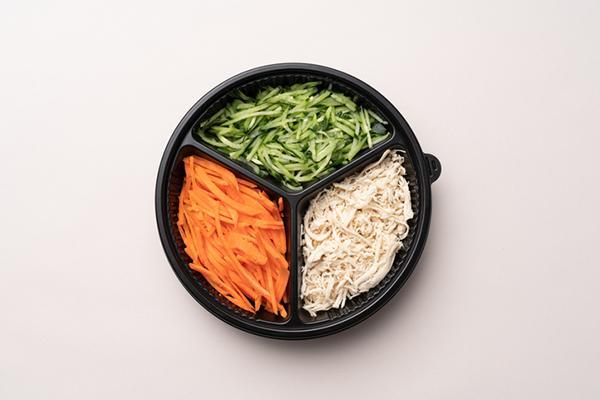
Is food sequencing worth a try?
Food sequencing calls for eating vegetables and protein before carbohydrates to help stabilize blood sugar and control appetite. Research suggests this pattern may reduce blood sugar spikes and lower hunger hormones, and it may naturally lead to eating fewer carbohydrates.

Eating more fish may help prevent macular degeneration
A study pooling data from more than 180,000 adults found that consuming more omega-3 fats (as found in fatty fish) was linked to 18% lower odds of age-related macular degeneration (AMD). Regularly eating omega-3-rich seafood may be a reasonable strategy for reducing the risk of AMD.

Is low-fat or full-fat the better choice for dairy products?
Full-fat dairy products can bring health risks because of the high levels of saturated fat they contain. To ensure good health and good nutrition, it's important to keep tabs on the amount of saturated fat you eat, and focus on eating a healthy diet rich in fruits, vegetables, and healthy fats.

How much calcium do you really need?
500 to 700 milligrams of calcium through diet and 800 to 1,000 of vitamin D as a supplement should be adequate to preserve bone density.
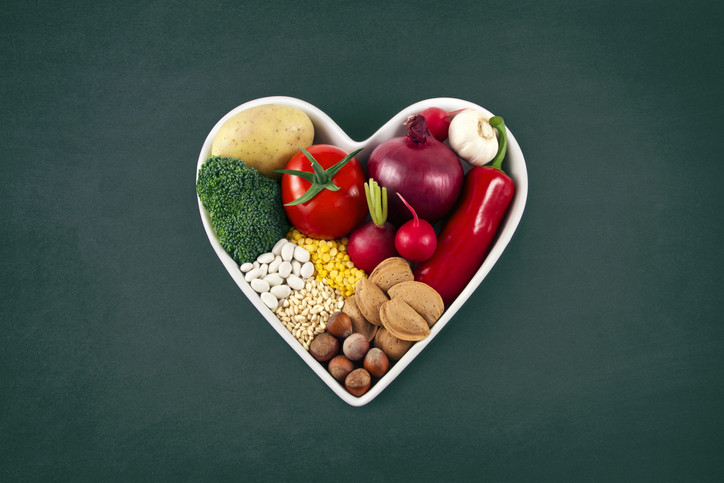
3 easy ways to eat a healthier diet
The very best intentions for healthy eating can fail if a new diet is too ambitious or restrictive. Taking small, easy steps toward healthier eating-and taking them one at a time-can help you make lasting changes.

Navigating a doctor shortage
A 2026 study indicates a precipitous decline in the number of primary care providers in the United States accepting new patients. Without a primary care doctor, people are more vulnerable to serious medical problems and may have trouble getting regular tests and prescriptions.

Do multivitamins make you healthier?
Taking a multivitamin does not reduce the chance of heart disease or mental decline, but it does reduce the risk of being diagnosed with cancer or developing cataracts.

Video: Incorporating Meditation Into Your Life
Meditation can be a natural part of everyday life, similar to maintaining a healthy diet or exercise routine. In this video, learn how meditation can be simple, flexible, and can be practiced almost anywhere.

What is considered a healthy body fat percentage as you age?
While there is no agreed-upon normal range for body fat, most men ages 60 to 79 should aim for 13% to 24% body fat. Measuring waist and hip size can provide an estimate of how much dangerous belly fat a person carries.
Hip bursitis vs. arthritis: How to tell the difference
Fitness for longevity: Which type matters most?
Ministrokes linked to elevated risk of dementia
Continuous glucose monitors benefit people who don't need insulin
CoQ10: Should you take this popular supplement if you're on a statin?
Microplastics: A hidden health threat?
Oat vs. dairy milk: Nutrition, benefits, and downsides
What is tempeh? Benefits, nutrition, and how to use it
Healing after food poisoning
Whole grains may improve several heart risk factors at once
Free Healthbeat Signup
Get the latest in health news delivered to your inbox!
Sign Up
