

Hip bursitis vs. arthritis: How to tell the difference

Fitness for longevity: Which type matters most?

Ministrokes linked to elevated risk of dementia

Continuous glucose monitors benefit people who don't need insulin

CoQ10: Should you take this popular supplement if you're on a statin?

Microplastics: A hidden health threat?

Oat vs. dairy milk: Nutrition, benefits, and downsides

What is tempeh? Benefits, nutrition, and how to use it

Healing after food poisoning

Whole grains may improve several heart risk factors at once
Immune and infectious diseases Archive
Articles

C. difficile (C. diff): An urgent threat
The bacteria known as C. diff has become a leading cause of infection among hospitalized patients. The infection is more common following antibiotic therapy, and it is challenging to treat because of a high relapse rate.

Coronavirus: What parents should know and do
It’s natural for parents to be worried about whether their children could be at risk from the novel coronavirus. While there is much that is still not known, common sense and simple public health precautions will help protect everyone.

Could your breast implants be making you sick?
Many women are reporting symptoms they believe are associated with their breast implants. Sometimes called breast implant illness, this combination of vague symptoms—such as hair loss, fatigue, anxiety, and depression—is also associated with a number of other conditions, including menopause, thyroid problems, and autoimmune conditions. Researchers are now working with patient advocacy groups to better understand the problem. Experts recommend that women understand the potential risks and benefits of breast implants before having the surgical procedure.

The new coronavirus: What we do — and don’t — know
A novel coronavirus outbreak in Wuhan, China, has grown quickly since late December. This primer on what we do –– and don’t –– know can help if you’re concerned about this rapidly evolving public health issue.

Can supplements help boost your immune system?
Your money might be better spent on something else.
During the winter months, you've likely seen ads for products that claim to give your immune system a boost to help you ward off colds and the flu. But can something in a bottle, whether a vitamin formulation or probiotic, really rev up your immune system to help you stay healthy?
"Unfortunately, the reality is that those kinds of products aren't really offering you any benefit," says Michael Starnbach, a professor of microbiology at Harvard Medical School. "There's no evidence that they help in fighting disease."

Flu shot may lower risk of early death in people with high blood pressure
In the journals
Need another reason to get your annual flu shot? It could protect you from a fatal heart attack or stroke if you suffer from high blood pressure, according to research presented at a 2019 joint conference of the European Society of Cardiology Congress and the World Congress of Cardiology.
Previous research has found that the inflammation from a flu infection can trigger a heart attack or stroke, and people with high blood pressure are especially at high risk.

Does the flu vaccine work as well in elderly people?
Ask the doctors
Q. My mother is in her late 80s. She received the flu vaccine this year, but I heard that it won't be as effective because of her age. Is this true?
A. The flu vaccine can be less effective in elderly adults. That's because the flu vaccine works by priming the body's own immune system to mount a response to the virus if it's encountered. Older adults may have weaker immune systems, and therefore a weaker immune response to the vaccine.

Will a purpose-driven life help you live longer?

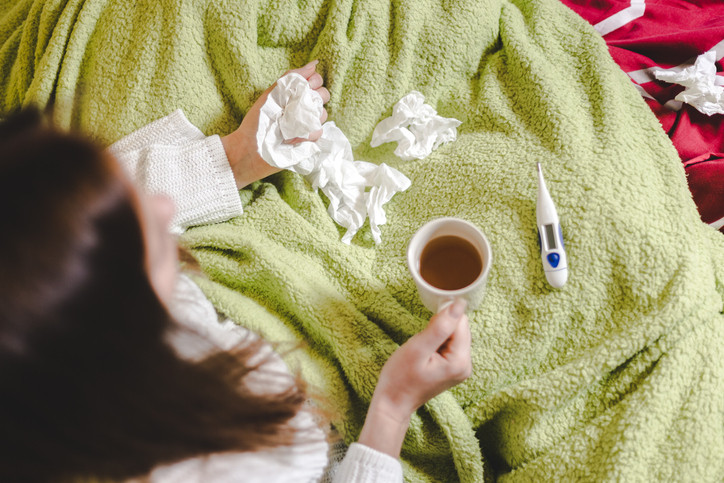
Bad flu season predicted — did you get your shot?
This year’s flu season may be severe. Almost everyone should get vaccinated, but which vaccine might be best for you? And how else can you avoid the flu?
Hip bursitis vs. arthritis: How to tell the difference
Fitness for longevity: Which type matters most?
Ministrokes linked to elevated risk of dementia
Continuous glucose monitors benefit people who don't need insulin
CoQ10: Should you take this popular supplement if you're on a statin?
Microplastics: A hidden health threat?
Oat vs. dairy milk: Nutrition, benefits, and downsides
What is tempeh? Benefits, nutrition, and how to use it
Healing after food poisoning
Whole grains may improve several heart risk factors at once
Free Healthbeat Signup
Get the latest in health news delivered to your inbox!
Sign Up
