

Hip bursitis vs. arthritis: How to tell the difference

Fitness for longevity: Which type matters most?

Ministrokes linked to elevated risk of dementia

Continuous glucose monitors benefit people who don't need insulin

CoQ10: Should you take this popular supplement if you're on a statin?

Microplastics: A hidden health threat?

Oat vs. dairy milk: Nutrition, benefits, and downsides

What is tempeh? Benefits, nutrition, and how to use it

Healing after food poisoning

Whole grains may improve several heart risk factors at once
Immune and infectious diseases Archive
Articles

Lyme disease: Resolving the “Lyme wars”
Most people who get Lyme disease recover after a course of antibiotics, but some patients continue to experience symptoms for months or even years. There is much controversy around post-treatment Lyme disease, particularly in how long patients should continue taking antibiotics.

Baby boomers: Don’t forget hepatitis C screenings
News briefs
Baby boomers are falling short in getting hepatitis C screenings. In 2012, the CDC urged the entire generation of people born from 1945 to 1965 to get this simple blood test, noting that baby boomers are five times more likely to have the virus than other adults. But a study published online March 27, 2018, by the journal Cancer Epidemiology, Biomarkers & Prevention found that only about 13% of baby boomers had been tested by 2015, up just one percentage point from 2013. The information came from national government health surveys. Hepatitis C can lead to cirrhosis, liver damage, liver cancer, and liver failure. Treatments are now available that can cure hepatitis C, if it's caught early enough. Baby boomers are believed typically to have become infected in the 1960s through the 1980s, when transmission of hepatitis C was highest. People at highest risk are those who have used intravenous drugs, had more than one sex partner, or received a blood transfusion before 1992, when the blood test for hepatitis C was first available.
Image: © juststock | GettyImages
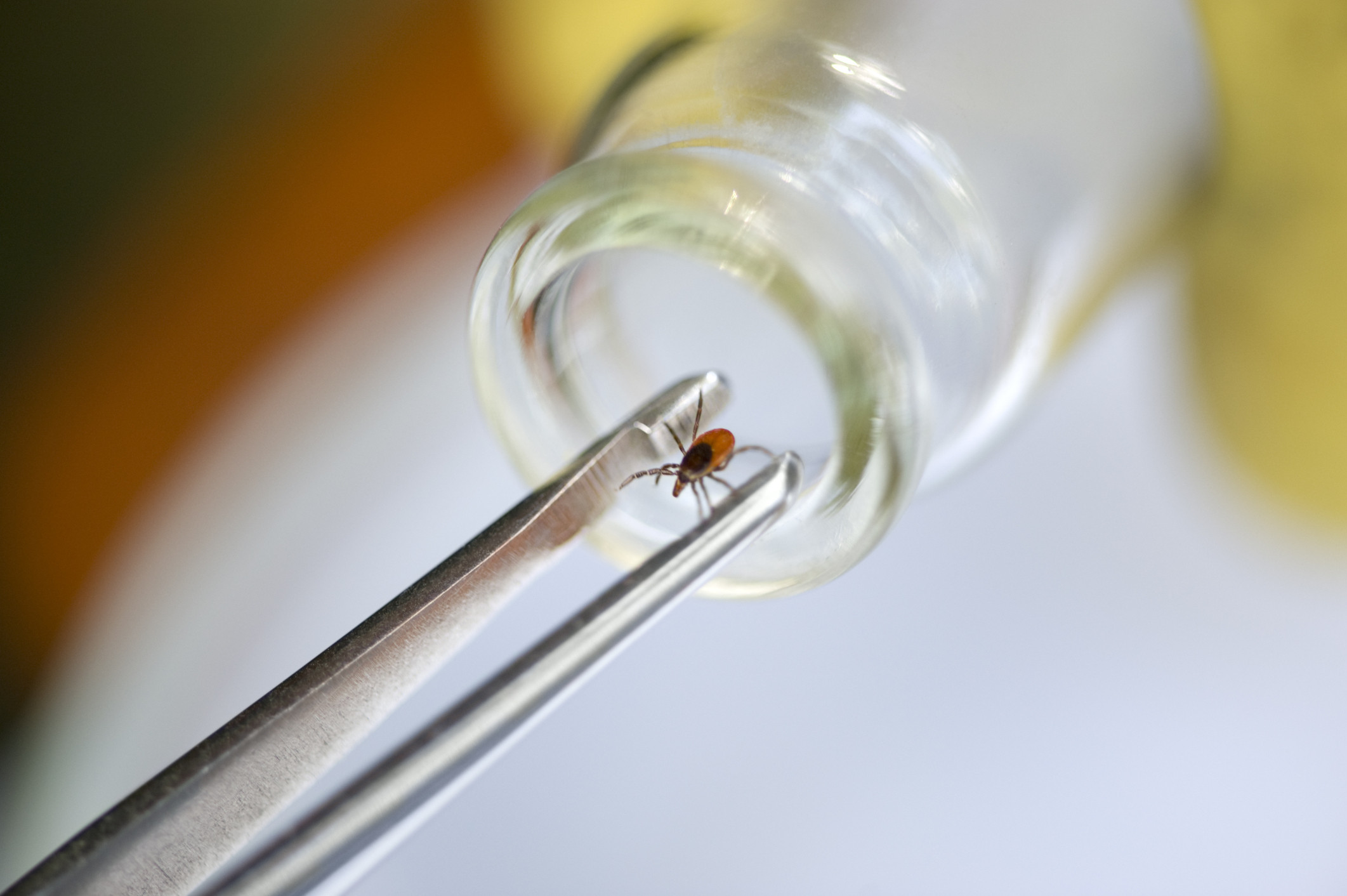
Ticked off: America’s quiet epidemic of tickborne diseases
The number of annual cases of Lyme disease in the United States nearly doubled from 2004 to 2016 (and those are just the reported cases), but several other serious illnesses can be spread by ticks and mosquitoes.



The bacterial horror of hot-air hand dryers
Researchers testing the dispersal of bacteria in public restrooms found that the hand dryers were picking up bacterial deposits, likely from aerosolized microbes caused by the flushing of uncovered toilets.



Can the flu increase my heart attack risk?
On call
Q. There has been a lot of talk about the severity of this flu season, and I recently heard that influenza also can trigger a heart attack. Should I worry?
A. Influenza is responsible for about 10,000 to 20,000 annual deaths, mostly from pneumonia or internal organ failure. In other situations, influenza infection strains a person's health, which can worsen underlying conditions, such as heart disease.

I'm so lonesome I could cry
The health risks of loneliness and isolation have been known for some time, but more recently research has shown the specific effects in the brain. Finding ways to make connections with other people is the best "medicine" to alleviate the mental and physical effects of loneliness.
Hip bursitis vs. arthritis: How to tell the difference
Fitness for longevity: Which type matters most?
Ministrokes linked to elevated risk of dementia
Continuous glucose monitors benefit people who don't need insulin
CoQ10: Should you take this popular supplement if you're on a statin?
Microplastics: A hidden health threat?
Oat vs. dairy milk: Nutrition, benefits, and downsides
What is tempeh? Benefits, nutrition, and how to use it
Healing after food poisoning
Whole grains may improve several heart risk factors at once
Free Healthbeat Signup
Get the latest in health news delivered to your inbox!
Sign Up
