

Hip bursitis vs. arthritis: How to tell the difference

Fitness for longevity: Which type matters most?

Ministrokes linked to elevated risk of dementia

Continuous glucose monitors benefit people who don't need insulin

CoQ10: Should you take this popular supplement if you're on a statin?

Microplastics: A hidden health threat?

Oat vs. dairy milk: Nutrition, benefits, and downsides

What is tempeh? Benefits, nutrition, and how to use it

Healing after food poisoning

Whole grains may improve several heart risk factors at once
Immune and infectious diseases Archive
Articles

“Superbugs” and the very real threat of untreatable infections
Doctors recently discovered a gene in E. coli bacteria that makes it resistant to an antibiotic that is typically used when other drugs fail. This new finding suggests that effectiveness of last-resort antibiotics is at risk. As more bacteria evolve to “outsmart” antibiotics, scientists are increasingly concerned about infections caused by “superbugs” that cannot be treated with existing antibiotics.

A bummer for kids: Nasal flu vaccine not effective
For years, many kids could skip the traditional flu “shot” — along with the tears — and still be protected by the nasal spray vaccine also known as the LAIV (live attenuated influenza vaccine). But not this year. Studies now show that the nasal vaccine is quite ineffective, and pediatricians are starting to change their flu recommendations from a nose squirt to a shot.
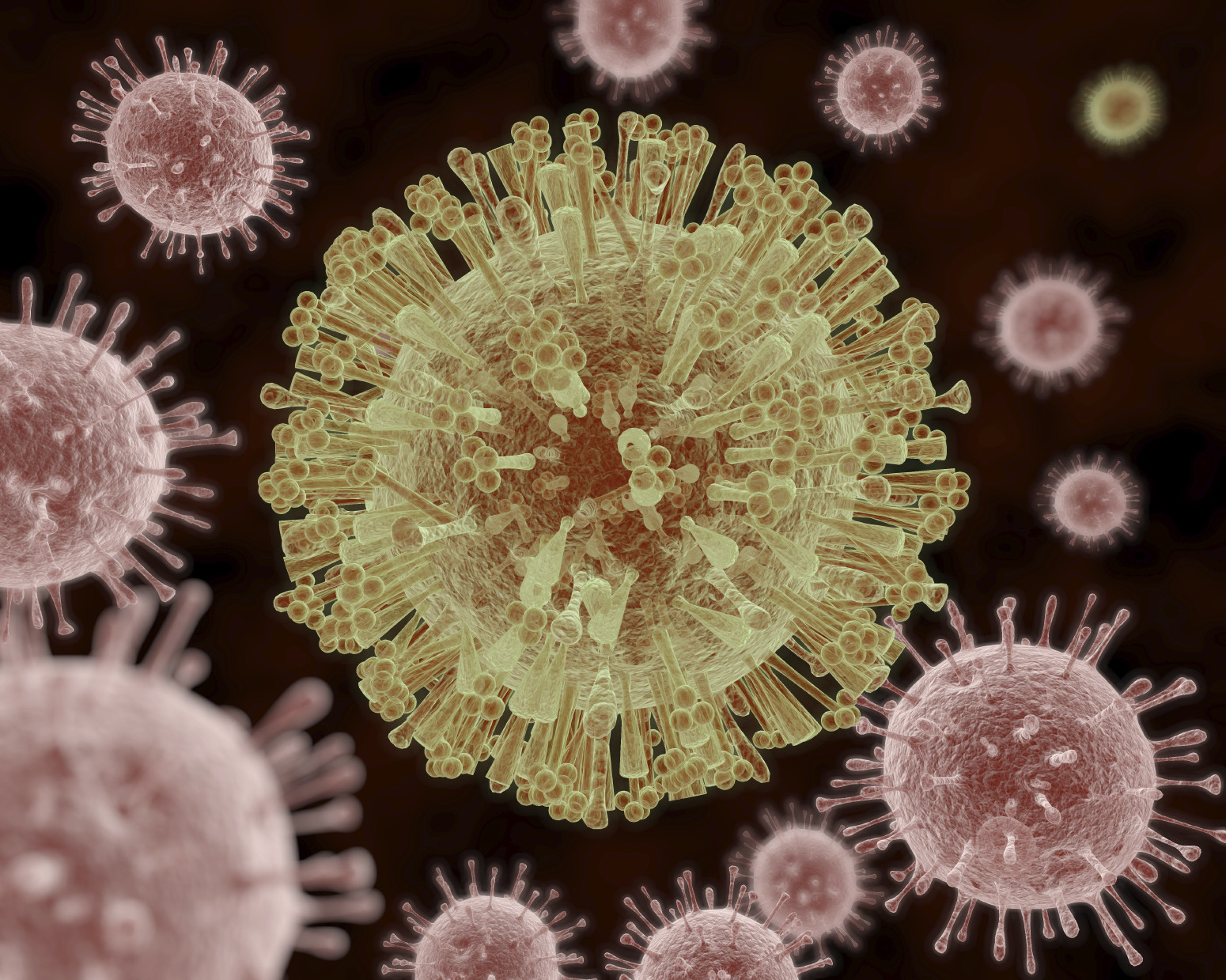

The inconvenient truth of vaccine refusal
The development of vaccines for many once-fatal illnesses has saved the lives of hundreds of thousands of children in the United States. While some parents may have concerns about the side effects of a vaccine, the decision not to vaccinate a child extends the risk of illness to the larger community.
Are we prepared for epidemics?
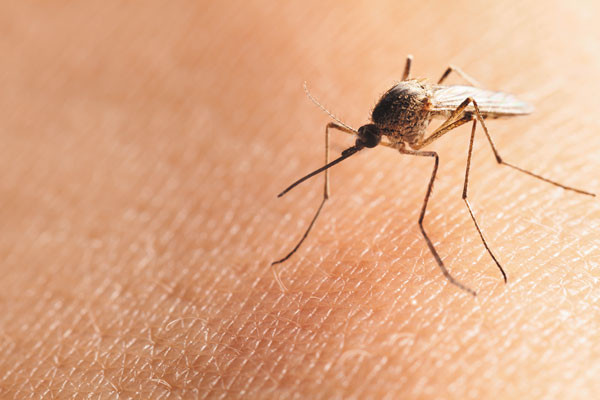
Mosquitoes can transmit many viruses, such as, Zika, West Nile, dengue, and yellow fever.
Image: Thinkstock
Ask the Doctor
Q. Why is it that we suddenly have epidemics of things like Zika virus that we've never heard about, and that we have no treatments or vaccines for? It feels like we should be better prepared than we apparently are. This worries me more than terrorism.

Zika, pregnancy, and winter travel: Many unknowns, and a cautious message
If you’re planning an escape from the dreary winter weather, and you’re pregnant or trying to get pregnant, you may want to plan your destination carefully. There’s still a lot we don’t know about Zika virus — which is now widespread in several favorite tropical destinations, such as the Caribbean — and its potential pregnancy-related complications. Until we know more, it’s better to be safe and follow the precautions we’ve listed here.

Passing your physical exam
The annual check-up is important for older men. Here is how to make the most out of your visit.
Men have a long reputation for avoiding check-ups, and that resistance tends not to soften when they are older.
"Many older men put off exams because they fear finding out something is wrong," says Dr. Suzanne Salamon, a geriatrician with Harvard-affiliated Beth Israel Deaconess Medical Center. "Also, many of today's baby boomers don't think they will have medical problems associated with age, so it can difficult for the 'younger older men,' like those in their 60s and early 70s, to see their doctor."

Hold off before taking antibiotics for respiratory infections, study suggests
A Spanish clinical trial of 400 people—two-thirds of whom were women—has indicated that waiting to fill an antibiotic prescription may be a good idea for people with sniffles, coughs, sore throats, and other respiratory symptoms.
Researchers recruited volunteers who sought care for respiratory symptoms in primary care clinics throughout Spain. The volunteers were randomly assigned to four equal groups. One was given antibiotics and told to take them immediately. Another was sent home without antibiotics but told to return to the clinic if they hadn't improved after several days. The two remaining groups were told to wait to take antibiotics—one was asked to return to the clinic to get their mediation after three days; the other group was given an antibiotic, but told to take the medication only if their symptoms hadn't improved after five to 10 days.
Don’t shrug off shingles
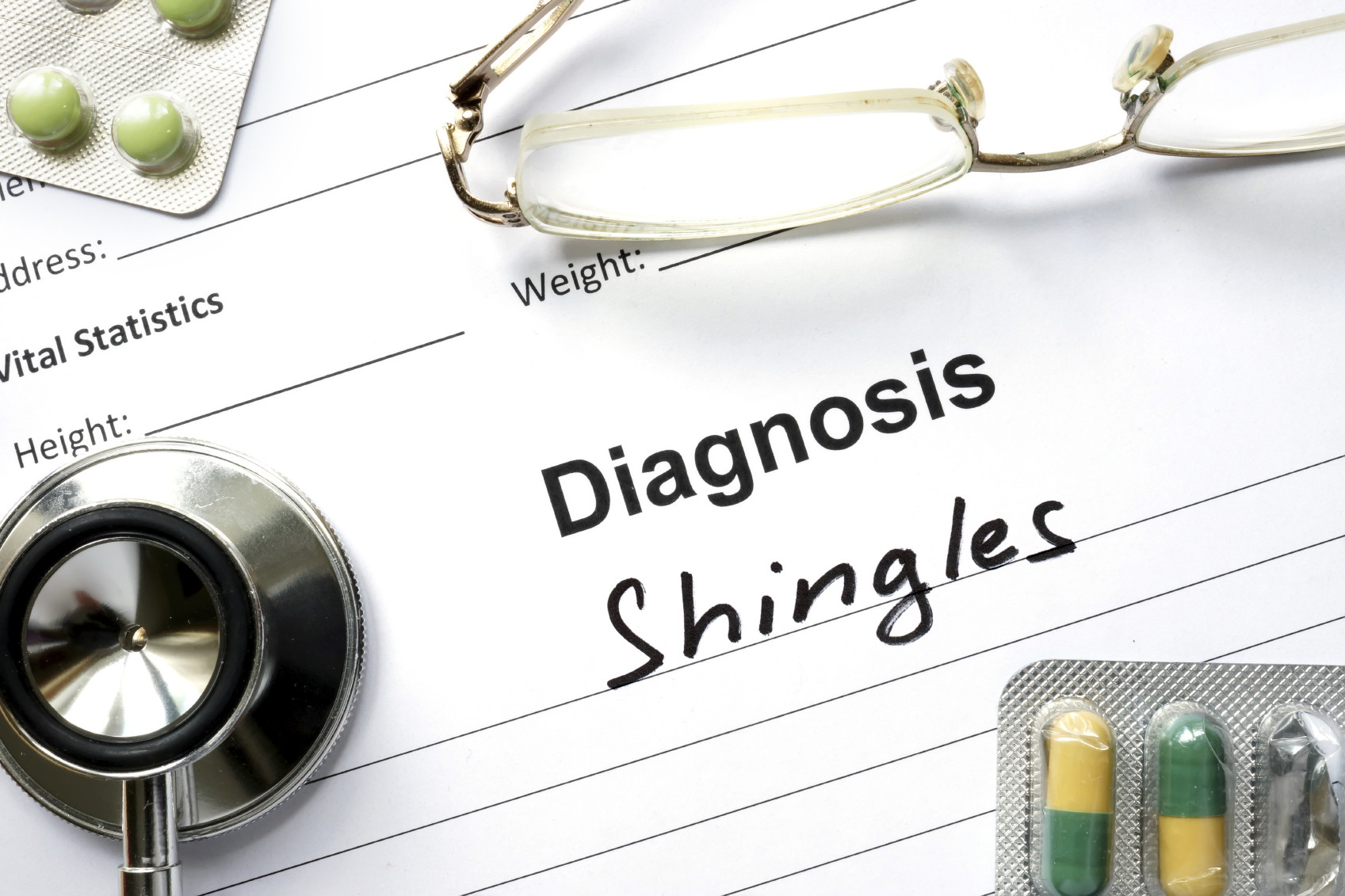
Shingles, an itchy and painful rash that occurs when the chickenpox virus reactivates in your body, shouldn’t be written off as just a nuisance. If it’s not treated promptly with an antiviral drug, it can cause a host of serious long-term complications. Fortunately, there’s a vaccine that can slash your risk of shingles by half, and another, even more effective one in the pipeline.

What the rise of Zika (and other viruses) might tell us about our planet
Zika, a virus that was almost unknown just a short time ago, is now certain to spread to almost every country in the Americas. But why have the U.S. and other countries become more vulnerable to the threat of exotic pathogens? There currently aren’t enough data to make any solid connections, but many experts agree that the rise of global trade and travel, climate change, and ecosystem changes are all major factors.
Hip bursitis vs. arthritis: How to tell the difference
Fitness for longevity: Which type matters most?
Ministrokes linked to elevated risk of dementia
Continuous glucose monitors benefit people who don't need insulin
CoQ10: Should you take this popular supplement if you're on a statin?
Microplastics: A hidden health threat?
Oat vs. dairy milk: Nutrition, benefits, and downsides
What is tempeh? Benefits, nutrition, and how to use it
Healing after food poisoning
Whole grains may improve several heart risk factors at once
Free Healthbeat Signup
Get the latest in health news delivered to your inbox!
Sign Up
