

Hip bursitis vs. arthritis: How to tell the difference

Fitness for longevity: Which type matters most?

Ministrokes linked to elevated risk of dementia

Continuous glucose monitors benefit people who don't need insulin

CoQ10: Should you take this popular supplement if you're on a statin?

Microplastics: A hidden health threat?

Oat vs. dairy milk: Nutrition, benefits, and downsides

What is tempeh? Benefits, nutrition, and how to use it

Healing after food poisoning

Whole grains may improve several heart risk factors at once
Immune and infectious diseases Archive
Articles

New shingles vaccine may work better, but with more side effects
Findings from a major clinical trial show that a new type of vaccine for shingles is much more effective than the existing vaccine in older people, although the new shot comes with more side effects.

Ask the doctor: I've already had shingles. Should I still get the shingles vaccine?
I had shingles in 2005 and haven?t had a shingles shot. I haven?t been able to find any studies that indicate whether a shot is feasible for people who have already had shingles. What do you recommend?

Ask the doctor: Two pneumonia shots are better than one
Q. I'm 68, and I had the pneumonia vaccine a few years ago. Now I hear that I need to have two different ones. Do I really need to do this?
A. For many years, men who turned 65 were told that they needed a single pneumonia shot, called Pneumovax. Now the CDC suggests that older adults get an additional vaccination with a different vaccine, called Prevnar. The combination stimulates the immune system more effectively than either alone.
The two vaccines build immunity against different types of the bacterium, known as pneumococcus, that causes pneumonia. Pneumovax (PPSV23) protects against 23 common types of pneumococcus. Prevnar (PCV13) protects against 13 types.
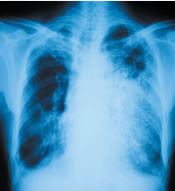
Heart attack risk rises after a bout of pneumonia
If you're hospitalized with pneumonia,your heart attack risk may rise in the following month. Image: Thinkstock |
If you're over 65, be sure to follow the latest pneumonia vaccine guidelines.
Each year, about a million people in the United States end up in the hospital with pneumonia, a serious lung infection that can be caused by an array of different viruses, bacteria, and even fungi. New research suggests that older people hospitalized with pneumonia face four times their usual risk of a having a heart attack or stroke or dying of heart disease in the month following the illness.
This year’s flu vaccine “disappointing” against main flu virus
Some years the flu vaccine works quite well. Other years it doesn’t. It has done a particularly poor job this year against the main flu virus. The CDC reported yesterday that this year’s flu vaccine has been just 18% effective. The estimate for children is even lower. And it looks like the nasal spray vaccine may not have worked at all among children. One reason for this year’s mismatch between virus and vaccine is that experts must decide months in advance which of the hundreds of flu viruses to include in the vaccine. What became the dominant flu virus this year, a new strain of H3N2 influenza A, wasn’t around last year when experts were determining this year’s vaccine.
Hip bursitis vs. arthritis: How to tell the difference
Fitness for longevity: Which type matters most?
Ministrokes linked to elevated risk of dementia
Continuous glucose monitors benefit people who don't need insulin
CoQ10: Should you take this popular supplement if you're on a statin?
Microplastics: A hidden health threat?
Oat vs. dairy milk: Nutrition, benefits, and downsides
What is tempeh? Benefits, nutrition, and how to use it
Healing after food poisoning
Whole grains may improve several heart risk factors at once
Free Healthbeat Signup
Get the latest in health news delivered to your inbox!
Sign Up
