

Hip bursitis vs. arthritis: How to tell the difference

Fitness for longevity: Which type matters most?

Ministrokes linked to elevated risk of dementia

Continuous glucose monitors benefit people who don't need insulin

CoQ10: Should you take this popular supplement if you're on a statin?

Microplastics: A hidden health threat?

Oat vs. dairy milk: Nutrition, benefits, and downsides

What is tempeh? Benefits, nutrition, and how to use it

Healing after food poisoning

Whole grains may improve several heart risk factors at once
Improving sleep Archive
Articles
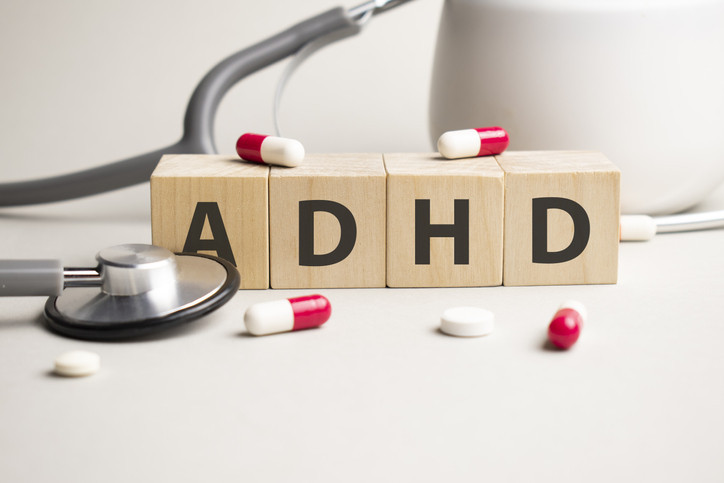
Attention deficit disorder linked to higher heart disease risk
People with attention-deficit hyperactivity disorder, a condition marked by trouble focusing and impulsive behavior, may be more likely to have cardiovascular disease that people without the disorder.
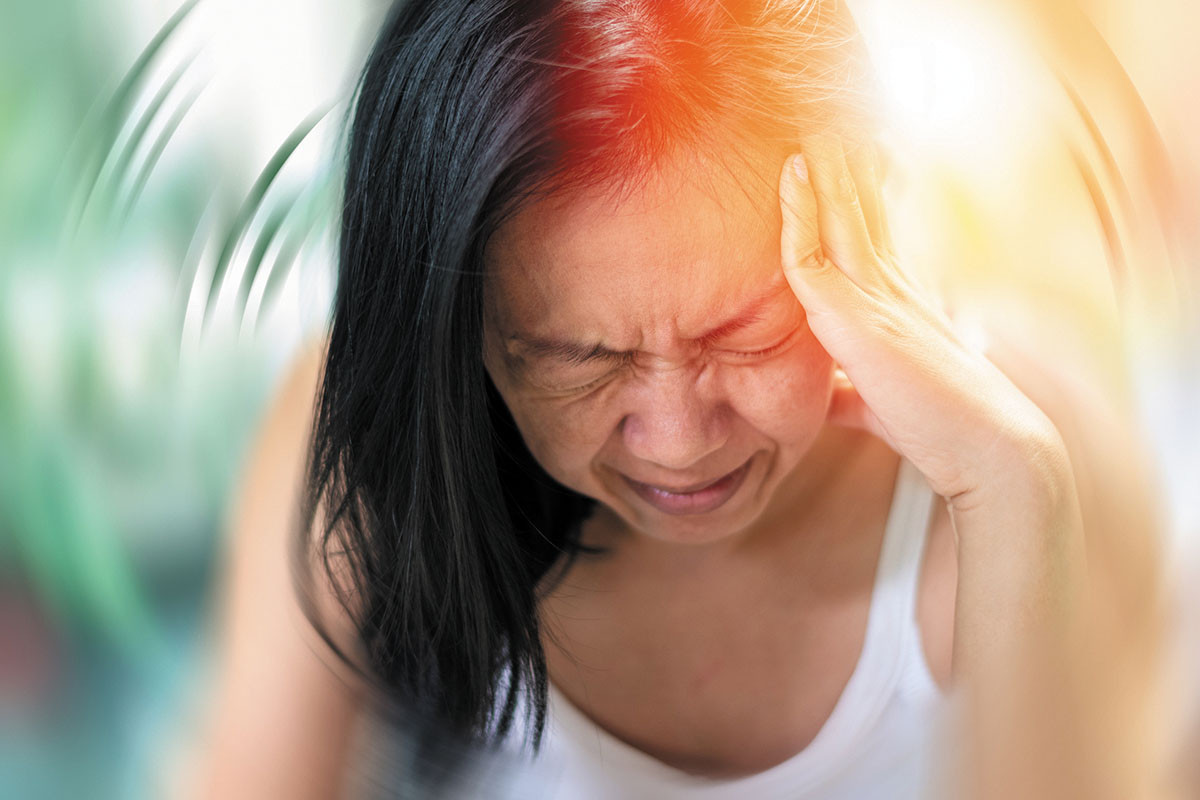
How can I tell if I have a concussion?
Concussions occur when the brain bumps or twists inside the skull after a blow to the head. Signs of concussion include headache, eye pain or fatigue, neck pain or stiffness, imbalance, impaired depth perception, difficulty remembering, or sleep pattern changes.

What's the future of remote patient monitoring?
The miniaturization of electronics is leading to the development of next-generation devices to monitor health. People today are using various devices (typically smart watches) to measure their heart rate, the regularity of their heart rhythm, the quality of their sleep, their body temperature, and the levels of oxygen and sugar in their blood. And scientists are working on other devices—such as a thin strip of material that is pasted onto the skin—to constantly measure blood pressure, organ function, or certain body chemicals.

The Essential 8: Enhanced advice for a healthy heart
The American Heart Association revamped its online tool, My Life Check, designed to help people prevent cardiovascular disease. Along with other changes, the AHA added healthy sleep duration to the list of seven other factors assessed by the tool. Those factors are maintaining a healthy weight, not smoking, being physically active, eating a healthy diet, and keeping blood pressure, blood sugar, and cholesterol at acceptable levels. Each factor (now known as Life's Essential 8) are scored on a scale of 1 to 100 and used to generate a composite cardiovascular health score.

New advice on melatonin use in children
Melatonin is a popular over-the-counter sleep aid. But because it is sold as a dietary supplement it is not regulated, and recent warnings include reports of melatonin overdoses in children. If parents need help getting their child to sleep, there are other things they can try first.

Poor sleep heightens risk of COPD flare ups
A 2022 study found that people with COPD who reported poor sleep had significantly higher risks of experiencing flare-ups of worsened breathing. Poor sleep may more accurately predict COPD flare-ups than a person's smoking history, researchers said.

Heart health guidelines get updated
The American Heart Association recently revised its checklist for achieving optimal heart health. Adequate sleep was added, and updates were made to previous recommendations for diet, cholesterol and blood sugar measurements, and nicotine exposure.

Natural ways to boost energy
As men age, many factors affect their energy levels, such as declining muscle mass, unhealthy diet, poor sleep, and increased stress. Addressing these areas are some of the best ways to increase energy levels. Exercise, healthy eating, good sleep, and stress reduction can increase mood-boosting hormones, help the body produce more adenosine triphosphate (the energy-carrying molecules found in cells), and balance blood sugar levels to prevent sudden fatigue, among other benefits.

Sleep added to list of essential healthy heart habits
The American Heart Association added sleep to its list of factors for cardiovascular health. The others are a healthy diet; physical activity; low levels of nicotine exposure; and healthy levels of weight, cholesterol, blood sugar, and blood pressure.

Light during sleep linked to conditions that harm the heart
Older adults exposed to light while sleeping at night may be more likely to have obesity, high blood pressure, and diabetes compared with adults who sleep in darkness.
Hip bursitis vs. arthritis: How to tell the difference
Fitness for longevity: Which type matters most?
Ministrokes linked to elevated risk of dementia
Continuous glucose monitors benefit people who don't need insulin
CoQ10: Should you take this popular supplement if you're on a statin?
Microplastics: A hidden health threat?
Oat vs. dairy milk: Nutrition, benefits, and downsides
What is tempeh? Benefits, nutrition, and how to use it
Healing after food poisoning
Whole grains may improve several heart risk factors at once
Free Healthbeat Signup
Get the latest in health news delivered to your inbox!
Sign Up
