

Hip bursitis vs. arthritis: How to tell the difference

Fitness for longevity: Which type matters most?

Ministrokes linked to elevated risk of dementia

Continuous glucose monitors benefit people who don't need insulin

CoQ10: Should you take this popular supplement if you're on a statin?

Microplastics: A hidden health threat?

Oat vs. dairy milk: Nutrition, benefits, and downsides

What is tempeh? Benefits, nutrition, and how to use it

Healing after food poisoning

Whole grains may improve several heart risk factors at once
Improving sleep Archive
Articles

Dragging your feet? You may need to catch up on sleep
Getting adequate sleep may help improve a person's gait, and catching up on short sleep may help people avoid walking problems usually caused by fatigue.
The best bedtime for heart health?
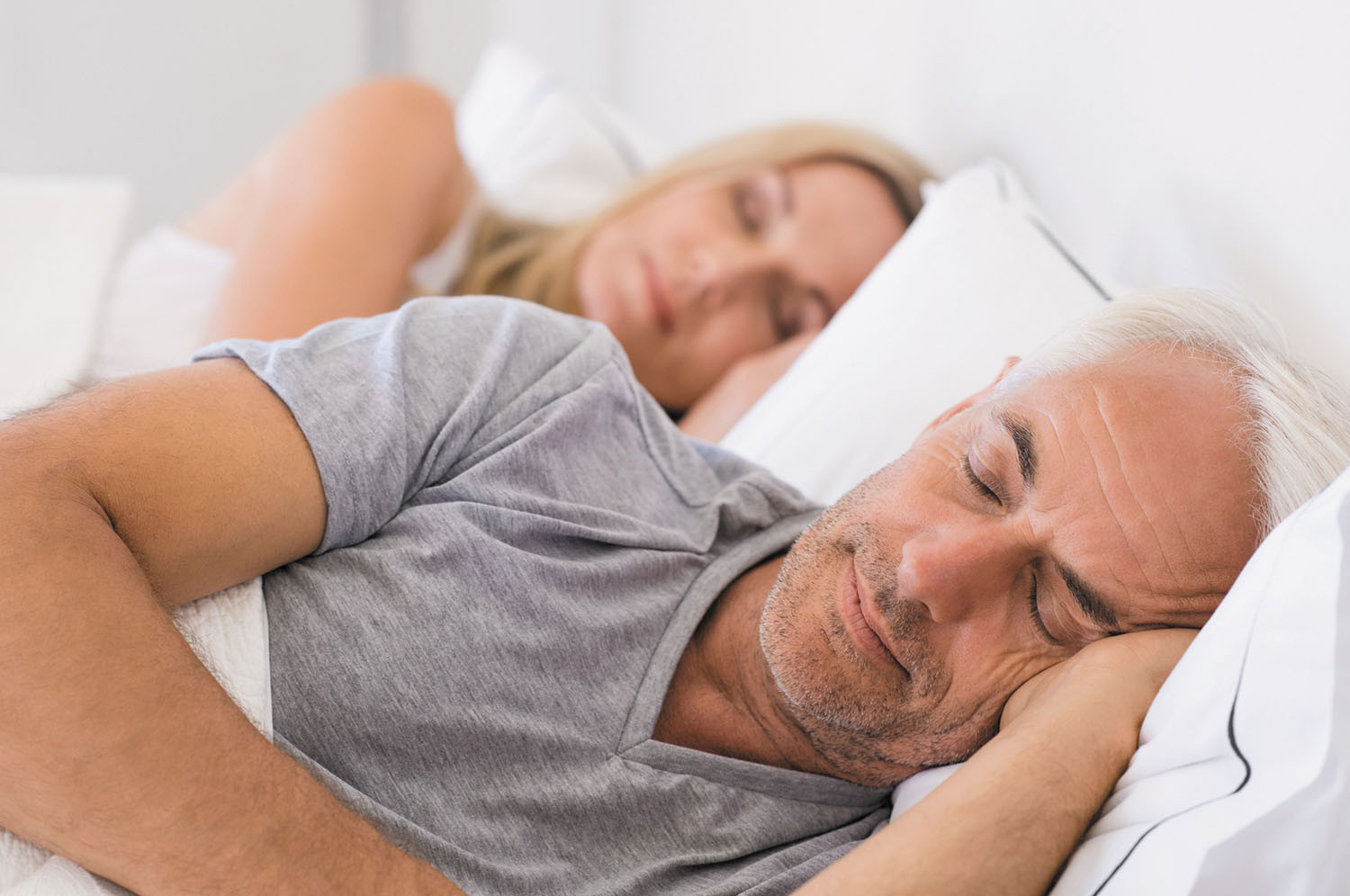
People who fall asleep between 10 and 11 p.m. may be less likely to develop heart disease than those who start their slumber earlier or later.

Shield your brain from decline
The acronym SHIELD sums up the habits that may help ward off cognitive decline. SHIELD stands for sleeping at least seven hours per night, handling stress, interacting with friends, exercising daily, learning new things, and eating a healthy diet. Ideally, one should incorporate all of these healthy lifestyle habits into each day. If that feels overwhelming, doctors advise focusing on a different healthy habit per day, until it's possible to practice all of the habits every day.

Naps: Make the most of them and know when to stop them

A single-session class offers chronic low back pain relief

How much sleep keeps cognitive decline at bay?

Exposure to traffic noise linked to higher dementia risk

Healthy sleep patterns linked to lower risk of heart rhythm problems

Gifts that promote relaxation and resilience

Do weighted blankets help with insomnia?
Insomnia affects approximately 10% of adults in the United States, and it is common with mental illness. Insomnia is unlikely to get better on its own if not actively treated. Many people are interested in treatment options that do not involve prescription medications, and a study from Sweden investigated the effectiveness of a weighted blanket on insomnia symptoms for people with insomnia and mental health problems.
Hip bursitis vs. arthritis: How to tell the difference
Fitness for longevity: Which type matters most?
Ministrokes linked to elevated risk of dementia
Continuous glucose monitors benefit people who don't need insulin
CoQ10: Should you take this popular supplement if you're on a statin?
Microplastics: A hidden health threat?
Oat vs. dairy milk: Nutrition, benefits, and downsides
What is tempeh? Benefits, nutrition, and how to use it
Healing after food poisoning
Whole grains may improve several heart risk factors at once
Free Healthbeat Signup
Get the latest in health news delivered to your inbox!
Sign Up
