

Hip bursitis vs. arthritis: How to tell the difference

Fitness for longevity: Which type matters most?

Ministrokes linked to elevated risk of dementia

Continuous glucose monitors benefit people who don't need insulin

CoQ10: Should you take this popular supplement if you're on a statin?

Microplastics: A hidden health threat?

Oat vs. dairy milk: Nutrition, benefits, and downsides

What is tempeh? Benefits, nutrition, and how to use it

Healing after food poisoning

Whole grains may improve several heart risk factors at once
Inflammatory bowel disease (IBD) Archive
Articles
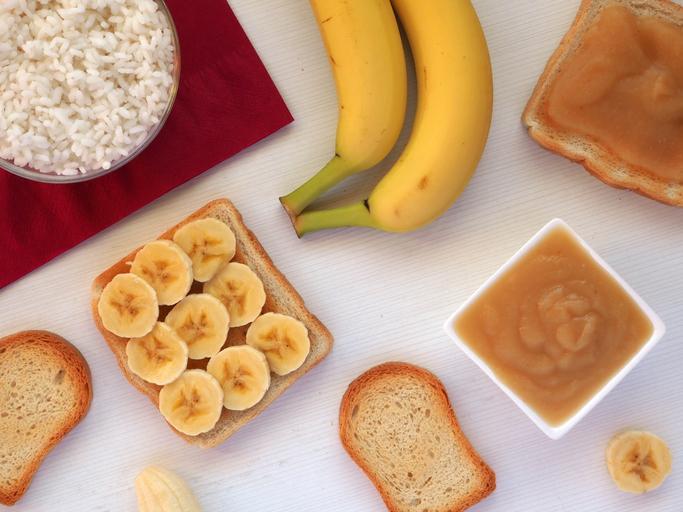
Is the BRAT diet the best choice for an upset stomach?
The BRAT diet - which stands for bananas, rice, applesauce, and toast - has long been recommended for people coping with diarrhea and vomiting. But adding oatmeal, cooked carrots, skinless chicken, and other bland foods is fine and provides nutrients needed to help people recover. People who have an upset stomach should avoid alcohol, caffeine, dairy products, sugary foods, and foods that are deep-fried, acidic, spicy, or high in fiber. They should also be sure to stay hydrated by drinking water, broth, diluted fruit juice, or weak, decaffeinated tea.
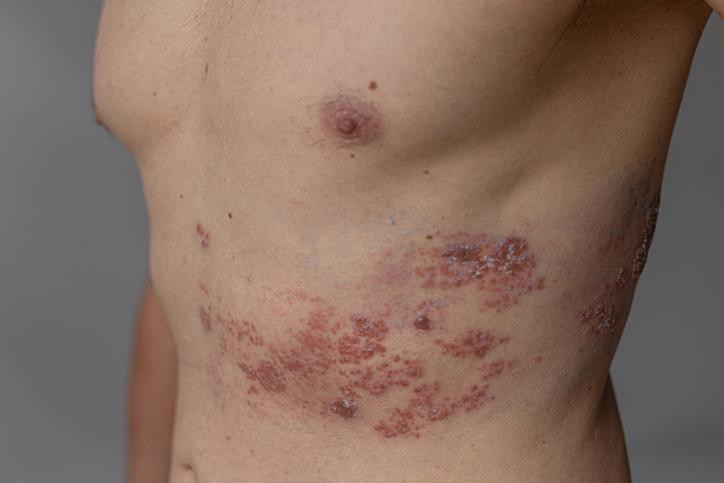
What to do if you have - or suspect you have - shingles
Shingles occurs when the dormant chickenpox virus reactivates, causing tingling, burning, and a painful, blistering rash. Shingles can affect anyone who has had chickenpox, with higher risk after age 50 and in people with weakened immunity. Diagnosis and treatment within three days of the rash appearing can shorten the illness and reduce severity. Most people recover completely from shingles, but there may be complications, such as post-herpetic neuralgia, which is pain that can be severe and long-lasting. Vaccination is the best way to prevent shingles and its complications.
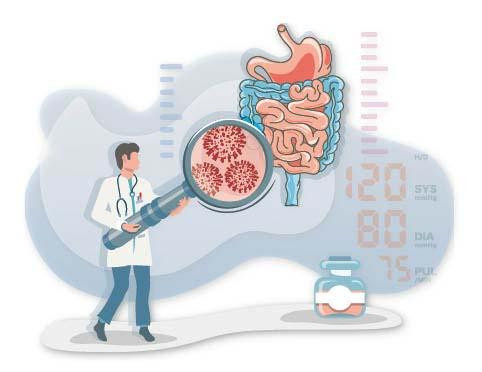
How a healthy gut benefits your blood pressure
A diet low in sodium and rich in plant-based foods promotes a diverse, balanced population of gut microbes, which may help people maintain a healthy blood pressure. A salty diet increases the prevalence of bad microbes and reduces the number of beneficial microbes. When bad microbes accumulate in the gut, they form breakdown products and toxins that promote inflammation. Beneficial microbes feed on fiber, which is why a diet that provides a mix of healthy fiber from plant-based foods helps. These microbes produce short-chain fatty acids, which interact with specific receptors on cells that help regulate blood pressure.

Respiratory syncytial virus (RSV) tied to heart problems
A 2025 study suggests that respiratory syncytial virus (RSV) can lead to heart-related complications, such as a heart attack, chronic heart failure, or an irregular heartbeat-even in people without a previous heart condition.

Can our brain talk to our immune system?
A 2025 study of 250 people found that the brain can tell the immune system to prepare for impending infection even before a microbe enters the body. Scientists asked volunteers to don virtual reality headsets that showed various virtual people approaching them. Some of those approaching appeared to be healthy and others appeared to be sick. Brain scans and blood tests showed that participants' brains activated their immune systems when a virtual sick person simply came near them.
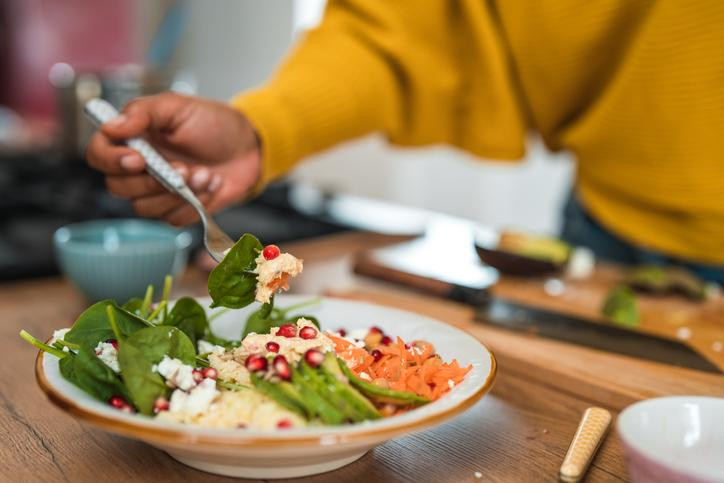
Mediterranean and plant-based diets might keep you regular
A 2025 Harvard study found that people who most closely adhered to a Mediterranean or a plant-based diet had up to a 20% lower risk for chronic constipation, compared with people who followed other eating patterns.
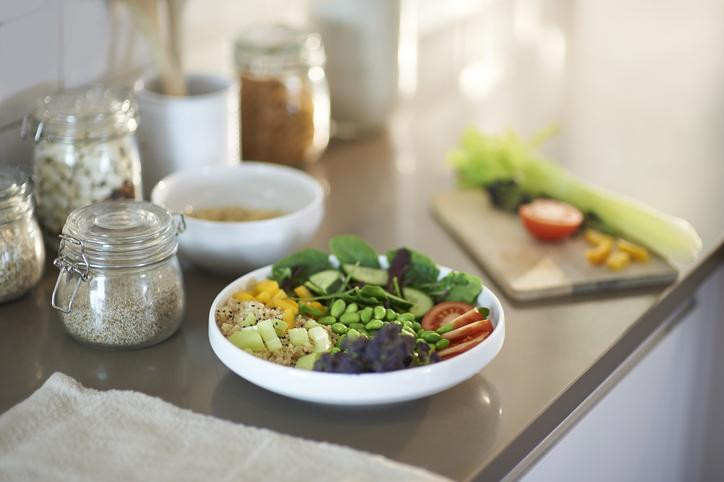
Plant-based diets may help lower the risk of chronic constipation
Eating a plant-based diet may help people lower their risk for chronic constipation, according to a 2025 study. This effect may be due, at least in part, to the high fiber content of plant-based diets.
Are colon cleanses safe?
Colon cleanses are marketed to help detoxify the body, boost weight loss and immune function, and increase energy. But the colon removes toxins on its own. Colon cleanses also pose multiple health risks.

Can the shingles vaccine protect my heart?
A 2025 study found that people who had received a shingles vaccination had lower risks for stroke and various types of heart disease, including heart failure and heart attacks, compared with people who didn't receive a shingles vaccine.

Is constant gum-chewing a bad idea?
Evidence suggests that chewing gum can help people feel more focused and less stressed. Chewing sugar-free versions can hinder cavities. But constant gum-chewing can tire jaw muscles, and xylitol-containing gum can trigger abdominal distress.
Hip bursitis vs. arthritis: How to tell the difference
Fitness for longevity: Which type matters most?
Ministrokes linked to elevated risk of dementia
Continuous glucose monitors benefit people who don't need insulin
CoQ10: Should you take this popular supplement if you're on a statin?
Microplastics: A hidden health threat?
Oat vs. dairy milk: Nutrition, benefits, and downsides
What is tempeh? Benefits, nutrition, and how to use it
Healing after food poisoning
Whole grains may improve several heart risk factors at once
Free Healthbeat Signup
Get the latest in health news delivered to your inbox!
Sign Up
