

Hip bursitis vs. arthritis: How to tell the difference

Fitness for longevity: Which type matters most?

Ministrokes linked to elevated risk of dementia

Continuous glucose monitors benefit people who don't need insulin

CoQ10: Should you take this popular supplement if you're on a statin?

Microplastics: A hidden health threat?

Oat vs. dairy milk: Nutrition, benefits, and downsides

What is tempeh? Benefits, nutrition, and how to use it

Healing after food poisoning

Whole grains may improve several heart risk factors at once
Injuries Archive
Articles

Driving with arthritis pain: Stay comfortable - and safe - behind the wheel
The pain and stiffness of arthritis can make driving difficult, affecting range of motion, grip, and getting in and out of a car. Managing symptoms, using adaptive devices, positioning yourself correctly in the car, and knowing your limits can help you drive comfortably and safely.


Why do I feel so cold all the time?
Several conditions can cause people to feel cold when others are comfortable. These include low body weight, an underactive thyroid, low red blood cell count (anemia), and Raynaud's phenomenon.
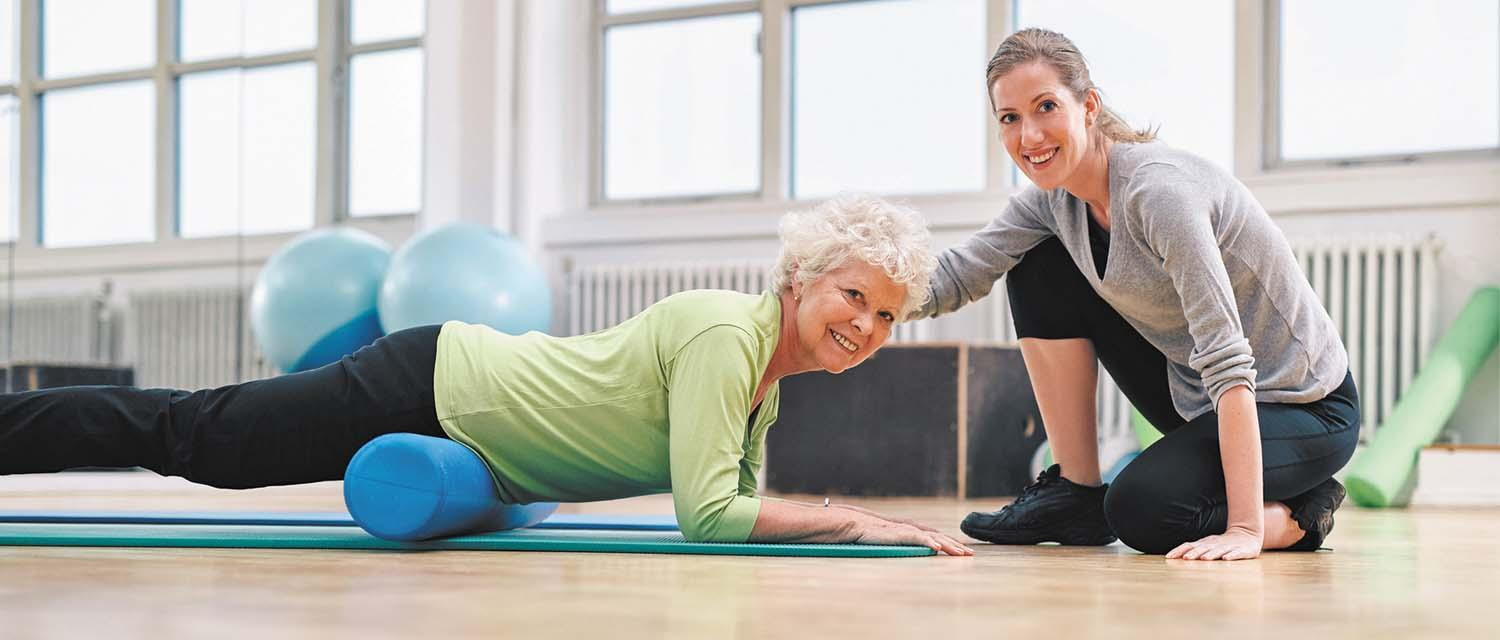
Foam rollers: Inexpensive tools with premium payoffs
A foam roller is a cylinder made of foam. When the tool is used properly, it can help reduce tension in muscles and other soft tissue. Foam rolling also helps increase flexibility, especially when used as a warm-up before exercise.
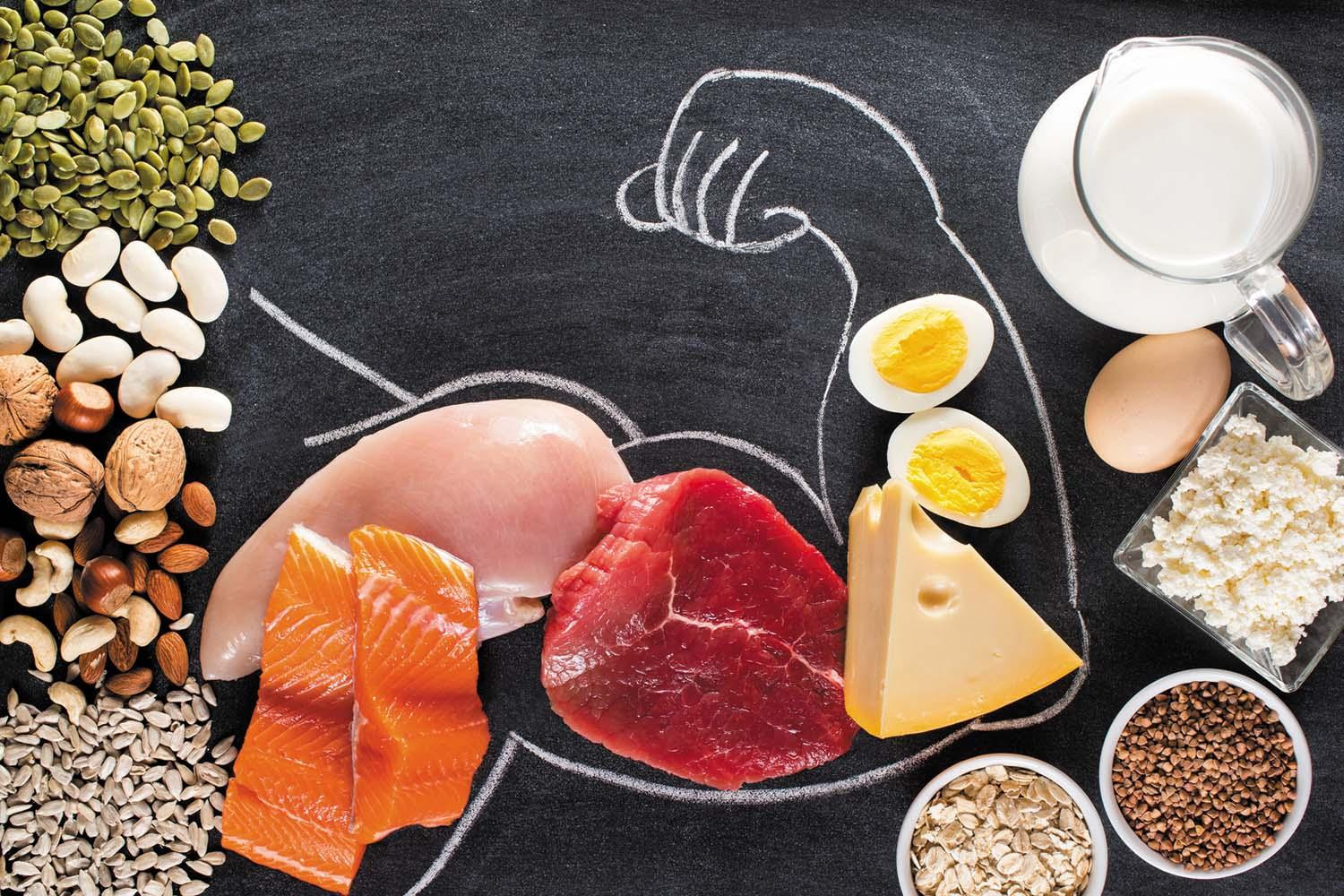
Maximize your muscle defense: Protein is key to protection
Muscle loss is common after middle age. To counter muscle loss, it's essential to strength train regularly and consume lots of protein. Whole foods are the best sources of protein, but protein supplements might also be used.

Safe and effective high-intensity interval training
High-intensity interval training alternates short bursts of hard effort with recovery, boosting aerobic fitness, heart health, and muscle in less time. For older adults, adjusting intensity to current fitness levels helps keep HIIT safe and effective.

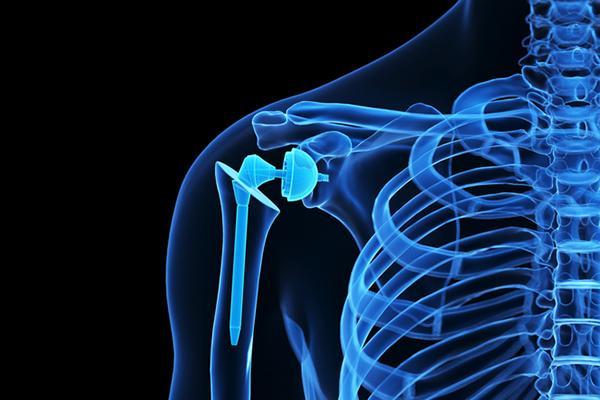
Obesity appears not to raise risks from shoulder replacement surgery
Obesity is thought to increase the risk of complications for people undergoing certain joint replacement surgeries. A 2025 study found that compared with people of a healthy weight, people with severe obesity (BMI of at least 40) were at no greater risk for serious complications following shoulder replacement surgery.

Acupuncture boosts pain relief for chronic low back pain
Chronic low back pain affects as many as one-third of adults ages 65 and older and can be difficult to treat. A 2025 study found that adding 12 weeks of acupuncture to usual care resulted in greater pain relief and better function that lasted as long as a year after the treatments.
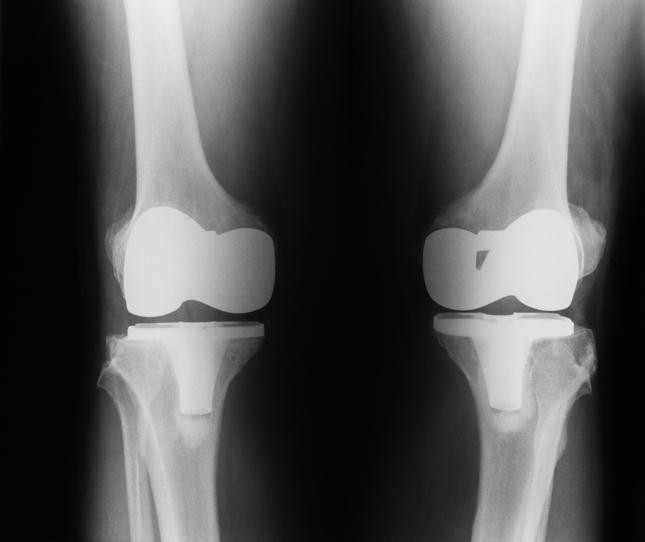
Two bad knees? What to know about bilateral knee replacement
If total knee replacement is needed for both knees and symptoms in both are equally severe, bilateral knee replacement can be done, either in one surgery or in stages. Replacing both knees at once may be a good option for people under 75 with no major medical conditions and support at home.
Hip bursitis vs. arthritis: How to tell the difference
Fitness for longevity: Which type matters most?
Ministrokes linked to elevated risk of dementia
Continuous glucose monitors benefit people who don't need insulin
CoQ10: Should you take this popular supplement if you're on a statin?
Microplastics: A hidden health threat?
Oat vs. dairy milk: Nutrition, benefits, and downsides
What is tempeh? Benefits, nutrition, and how to use it
Healing after food poisoning
Whole grains may improve several heart risk factors at once
Free Healthbeat Signup
Get the latest in health news delivered to your inbox!
Sign Up
