

Hip bursitis vs. arthritis: How to tell the difference

Fitness for longevity: Which type matters most?

Ministrokes linked to elevated risk of dementia

Continuous glucose monitors benefit people who don't need insulin

CoQ10: Should you take this popular supplement if you're on a statin?

Microplastics: A hidden health threat?

Oat vs. dairy milk: Nutrition, benefits, and downsides

What is tempeh? Benefits, nutrition, and how to use it

Healing after food poisoning

Whole grains may improve several heart risk factors at once
LGBTQ+ health Archive
Articles

Doomscrolling dangers
Doomscrolling is the habit of constantly scrolling online news headlines, which often blare bad news. Doomscrolling became prominent during the pandemic. It can lead to a wide range of physical and mental health effects, including headaches, muscle tension, elevated blood pressure, and existential anxiety. To offset doomscrolling, people can create boundaries around using devices that include keeping phones off their nightstand, opting out of digital notifications, focusing on local news, and asking others not to send you depressing news items.


Living your best life
As people face their mortality, they often focus on how to live their best life in their remaining time. Two Harvard experts-Dr. Howard LeWine and Dr. Anthony Komaroff-share advice on how they are achieving this during their golden years. Some of their suggestions include embracing the natural changes of aging, doing inspiring activities, learning to live in the moment, and finding one's sense of purpose.

Depression more likely during perimenopause than before or after
A 2024 study suggests that women in perimenopause are significantly more likely to experience depression than either before or after this stage.

Optimism may slow women's age-related physical decline
A 2024 study suggests that optimism may help women stave off age-related physical decline.
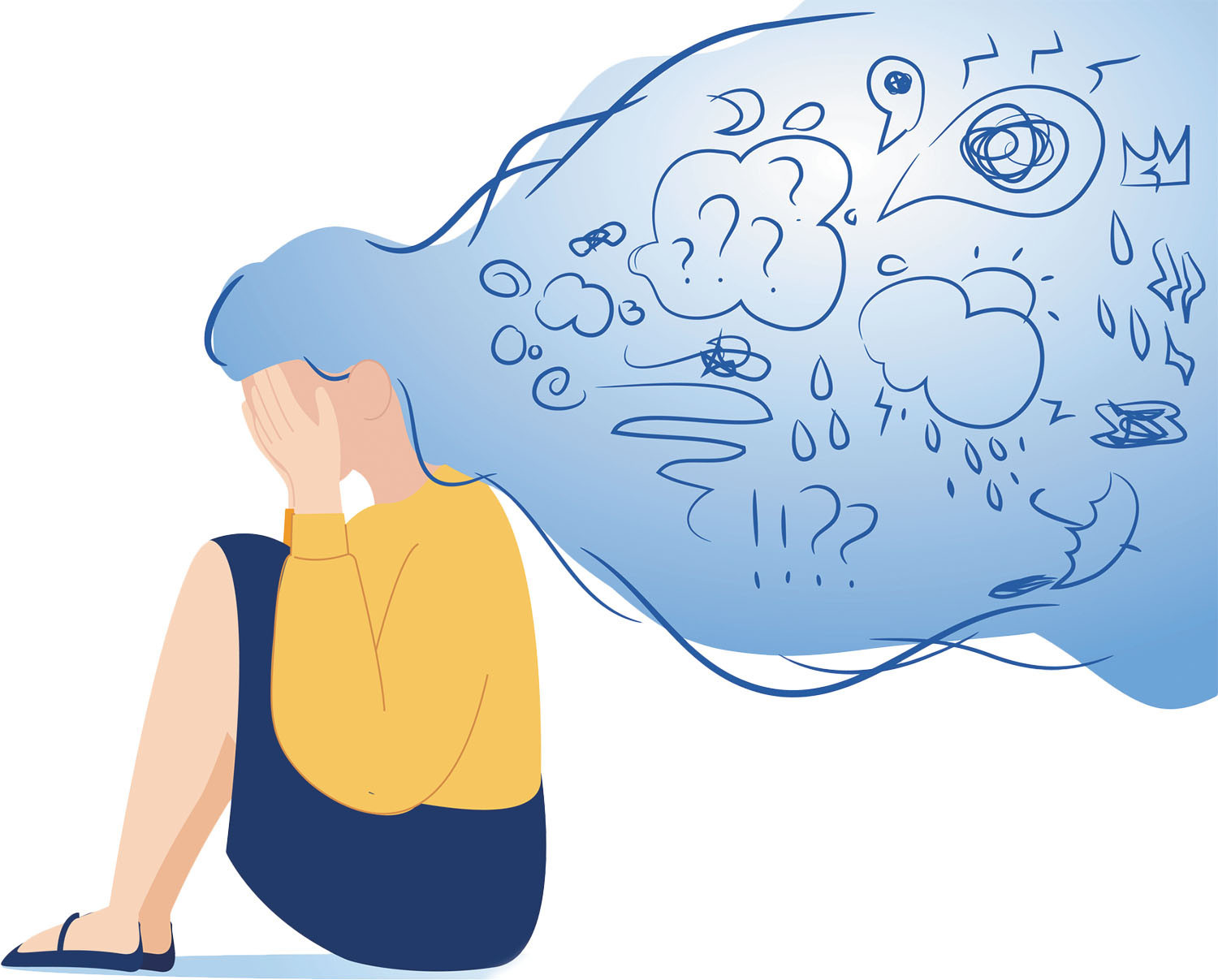
Recognizing and easing the physical symptoms of anxiety
Anxiety can produce physical symptoms, such as headaches, stomach upset, and tightness in the chest. Sometimes this sets up a vicious cycle, in which anxiety triggers physical symptoms, and the symptoms magnify anxiety, which makes them even worse. Doing distracting tasks or relaxation exercises can help break this cycle. People should seek professional help if symptoms can't be controlled.

Train your brain
As people age, cognitive skills wane and thinking and memory become more challenging, so they need to build up the brain's reserve. Embracing a new activity that requires thinking, learning, ongoing practice can be one of the best ways to improve cognitive skills like memory recall, problem solving, and processing speed.


Can your blood tests predict your future risk of stress, anxiety, or depression?
A 2024 study found that people with high blood sugar and high triglycerides are more likely to develop chronic stress, anxiety, or depression later in life, compared with people who have low or normal blood sugar levels.
Hip bursitis vs. arthritis: How to tell the difference
Fitness for longevity: Which type matters most?
Ministrokes linked to elevated risk of dementia
Continuous glucose monitors benefit people who don't need insulin
CoQ10: Should you take this popular supplement if you're on a statin?
Microplastics: A hidden health threat?
Oat vs. dairy milk: Nutrition, benefits, and downsides
What is tempeh? Benefits, nutrition, and how to use it
Healing after food poisoning
Whole grains may improve several heart risk factors at once
Free Healthbeat Signup
Get the latest in health news delivered to your inbox!
Sign Up
