

Hip bursitis vs. arthritis: How to tell the difference

Fitness for longevity: Which type matters most?

Ministrokes linked to elevated risk of dementia

Continuous glucose monitors benefit people who don't need insulin

CoQ10: Should you take this popular supplement if you're on a statin?

Microplastics: A hidden health threat?

Oat vs. dairy milk: Nutrition, benefits, and downsides

What is tempeh? Benefits, nutrition, and how to use it

Healing after food poisoning

Whole grains may improve several heart risk factors at once
Medication management Archive
Articles
Do you still need your thyroid medication?
Diagnosing hypothyroidism can be tricky because typical symptoms (such as fatigue and trouble losing weight) have many other possible causes. Some people treated for hypothyroidism may be able to safely stop treatment with close medical monitoring.
Cardiac amyloidosis: Better detection and new treatments
Cardiac amyloidosis is a rare heart condition that causes the walls of the heart to become thick, stiff, and unable to pump normally. Three FDA-approved medications for the most common form, ATTR-CM, slow disease progression and extend life.

Should I take a statin if my calcium score is low?
People who have a low coronary artery calcium score (between 1 and 99) have signs of early heart disease. Current guidelines recommend taking a statin, with a goal of lowering LDL cholesterol by at least 30%.

When should a high TSH lead to a higher thyroid hormone dose?
A rise in thyroid-stimulating hormone after thyroid removal can have several explanations, from medication timing to changes in absorption.
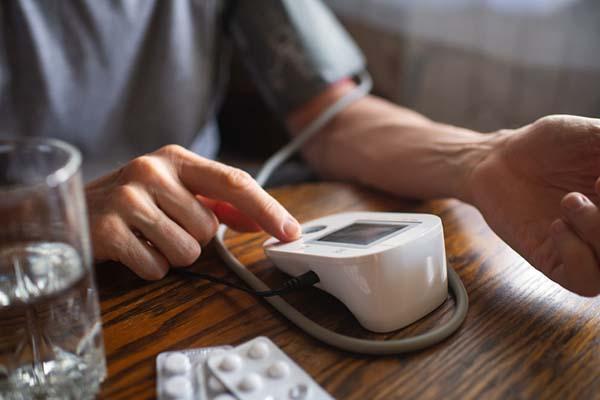
When should you take your blood pressure medicine for the best effect?
Timing your blood pressure pills can impact control and side effects. Discover how morning vs. bedtime dosing may affect your readings.
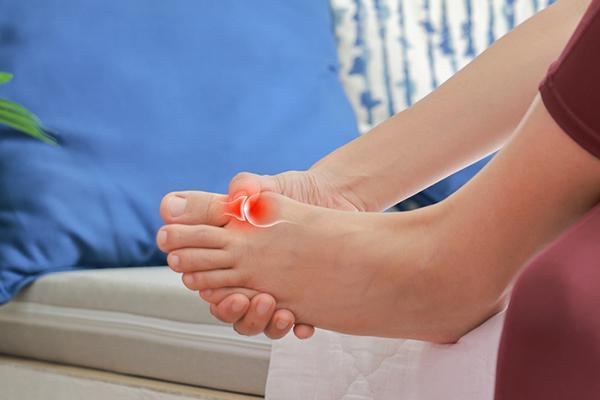
Gout medication to stop flare-ups
Gout is a form of arthritis caused by too much uric acid, which leaves the bloodstream and settles in joints. Uric acid crystals can form in joints, causing redness, swelling and pain—a gout flare. Drugs taken over a long term can lower uric acid levels and prevent flares.

Ways to maximize your energy
People’s energy levels typically decrease later in life as a result of aging, illness, or other factors. Fortunately, a healthier lifestyle can boost energy. That involves eating a diet low in added sugars and processed foods, getting seven to nine hours of sleep each night, managing stress, getting lots of aerobic exercise, and strengthening the muscles. Using physical energy frugally is another useful strategy. For example, it helps to perform activities at a slow, steady pace instead of a fast pace; to break activities into small tasks instead of one large job; and to rest between tasks.

Protect yourself from falls outside the home
Many strategies can help people avoid falls in public places. For example, people can wear shoes with nonslip treads in stores and office buildings, use a rollator for stability in crowded areas such as airports or shopping malls, hold handrails on public staircases (or avoid them), avoid parking too close to vehicles in parking lots, or use the handicap stall in public bathrooms. Another important strategy is regularly strengthening leg and core muscles and practicing balance exercises (such as standing on one leg).
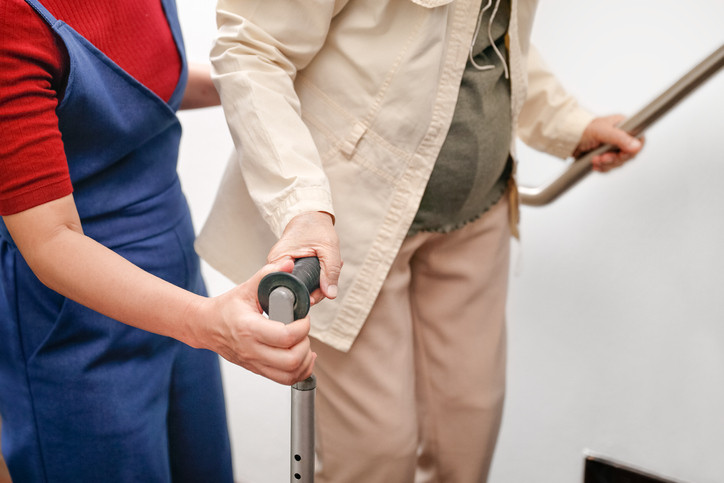
Preventing falls in older adults: Multiple strategies are better
Falls among older adults are on the rise, but most are preventable. To do this, interventions must target the multiple factors that contribute to falls, taking steps to minimize them or prevent them entirely.
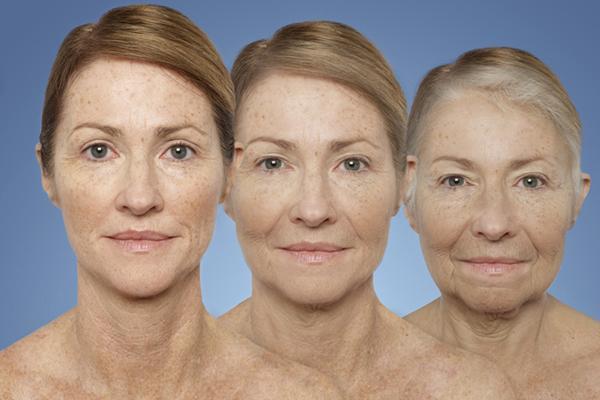
What factors speed up aging?
A variety of disparate factors can speed up people’s biological aging, which describes how well their body functions (in comparison to chronological aging). Drivers of aging include ultraviolet light, stress, smoking, obesity, radiation, and loneliness and social isolation.
Hip bursitis vs. arthritis: How to tell the difference
Fitness for longevity: Which type matters most?
Ministrokes linked to elevated risk of dementia
Continuous glucose monitors benefit people who don't need insulin
CoQ10: Should you take this popular supplement if you're on a statin?
Microplastics: A hidden health threat?
Oat vs. dairy milk: Nutrition, benefits, and downsides
What is tempeh? Benefits, nutrition, and how to use it
Healing after food poisoning
Whole grains may improve several heart risk factors at once
Free Healthbeat Signup
Get the latest in health news delivered to your inbox!
Sign Up
