

Hip bursitis vs. arthritis: How to tell the difference

Fitness for longevity: Which type matters most?

Ministrokes linked to elevated risk of dementia

Continuous glucose monitors benefit people who don't need insulin

CoQ10: Should you take this popular supplement if you're on a statin?

Microplastics: A hidden health threat?

Oat vs. dairy milk: Nutrition, benefits, and downsides

What is tempeh? Benefits, nutrition, and how to use it

Healing after food poisoning

Whole grains may improve several heart risk factors at once
Medications and treatments Archive
Articles

Ask the doctor: Why would I need Prolia?
Denosumab (Prolia) is recommended for people at high risk for fractures for whom other bone-loss treatments were ineffective or had intolerable side effects.
Ask the doctor: Should I take a probiotic?
It’s unclear why, but it appears that people with psoriasis are more likely to also suffer from diabetes.
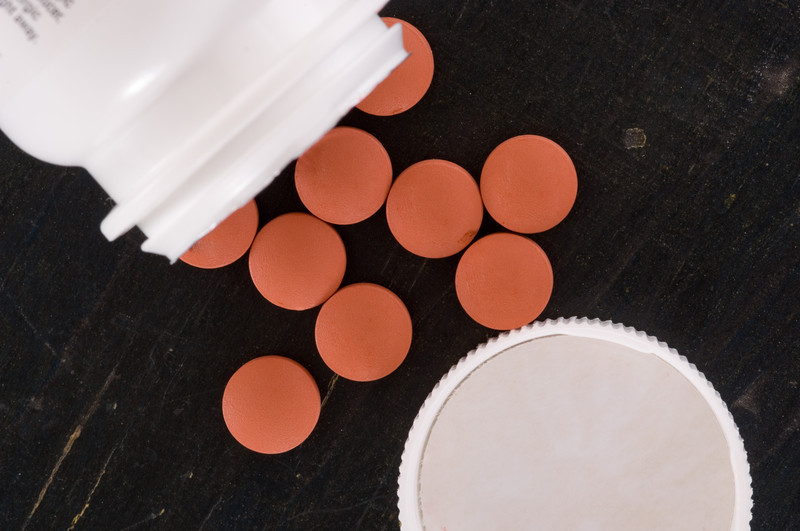
The downside of taking pills to treat chronic pain
When the risks of medication outweigh the benefits.
Image: © iStock
Taking over-the-counter or prescription painkillers may seem like a simple solution for chronic pain. It's actually a bit more complicated, yet many older adults aren't aware of potential problems. "They think that if it doesn't require a prescription, it's safe. But there are some long-term health risks," says Dr. Edgar Ross, director of the Pain Management Center at Harvard-affiliated Brigham and Women's Hospital.
Here's what you should know about some commonly used pain relievers.

6 ways to stay on your medication plan
Take control by using helpful gadgets and talking to your doctor about reducing your medications.
Image: © Wavebreakmedia/Thinkstock
There are many reasons why people are unable to stick to a medication regimen prescribed by a doctor, such as high costs or drug side effects. Often, those issues can be resolved by asking your doctor if a switch to another drug will help.
Another reason for what doctors call "non-adherence": too many pills and confusion about taking them. "It is a bigger problem than organization, and not always the patient's fault. Often providers write too many prescriptions without explaining them, or create a complicated schedule," says Dr. Sarah Berry, a geriatrician and assistant professor at Harvard Medical School.

Bed rest for back pain? A little bit will do you.
Bed rest, once a key part of treating back pain, has a limited role in healing sore backs. In very small doses, bed rest can give you a break when standing or sitting causes severe pain. Too much may make back pain worse. Here is how to do bed rest "right."
To get the most from staying in bed, limit the time you are lying down to a few hours at a stretch, and for no longer than a day or two. You can rest on a bed or sofa, in any comfortable position. To ease the strain on your back, try putting pillows under your head and between your knees when lying on your side, under your knees when lying on your back, or under your hips when lying on your stomach. These positions reduce forces that sitting or standing impose on the back — especially on the discs, ligaments, and muscles.

Follow medication instructions
It appears that adverse drug events that lead to visits to the emergency department are increasing among older adults.

New prescription? Talk to your pharmacist
A conversation with this health professional can help you avoid making harmful mistakes.
Image: wavebreakmedia/Thinkstock
When your pharmacist hands you your pills, he or she is likely to ask, "Any questions?" This is an invitation to tap into a vast store of knowledge—and one you should accept. A few minutes with your pharmacist may spare you some serious health consequences.
"People are often in the dark regarding the purpose of their medication," says Dr. Gordon Schiff, associate professor of medicine at Harvard Medical School. Although prescriptions come with a lengthy package insert containing detailed information about the drug, the information is often written in technical terms and printed in microscopic type. The lack of clear information and the confusion and misunderstandings that result figure into more than a million preventable medical complications annually.
How does the new vaginal product alleviate pain during intercourse?
Intrarosa, a vaginal insert containing dehydroepiandosterone (DHEA), improves vaginal lubrication to alleviate pain during intercourse.
Electroacupuncture may ease hot flashes, aid sleep in breast cancer survivors
Electroacupuncture may be an effective alternative to medication for relieving hot flashes causing sleep disturbances in postmenopausal women.
Diuretic blood pressure drug linked to fewer hip fractures
In a large, long-term clinical trial, people taking the diuretic chlorthalidone had significantly fewer hip fractures than those taking the calcium-channel blocker amlodipine or the ACE inhibitor lisinopril.
Hip bursitis vs. arthritis: How to tell the difference
Fitness for longevity: Which type matters most?
Ministrokes linked to elevated risk of dementia
Continuous glucose monitors benefit people who don't need insulin
CoQ10: Should you take this popular supplement if you're on a statin?
Microplastics: A hidden health threat?
Oat vs. dairy milk: Nutrition, benefits, and downsides
What is tempeh? Benefits, nutrition, and how to use it
Healing after food poisoning
Whole grains may improve several heart risk factors at once
Free Healthbeat Signup
Get the latest in health news delivered to your inbox!
Sign Up
