

Hip bursitis vs. arthritis: How to tell the difference

Fitness for longevity: Which type matters most?

Ministrokes linked to elevated risk of dementia

Continuous glucose monitors benefit people who don't need insulin

CoQ10: Should you take this popular supplement if you're on a statin?

Microplastics: A hidden health threat?

Oat vs. dairy milk: Nutrition, benefits, and downsides

What is tempeh? Benefits, nutrition, and how to use it

Healing after food poisoning

Whole grains may improve several heart risk factors at once
Medications and treatments Archive
Articles
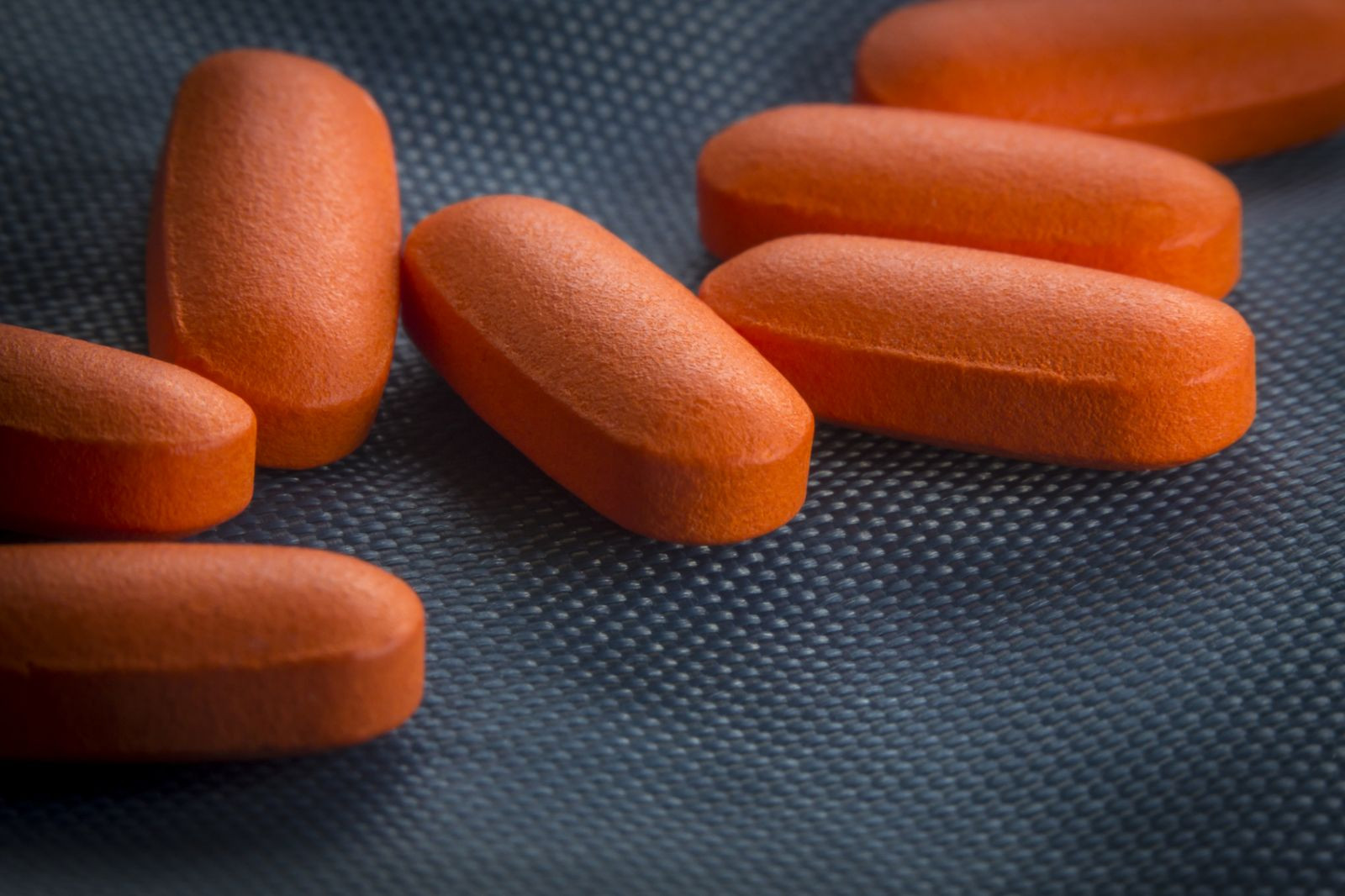
Are some painkillers safer for your heart than others?
Despite new research, the answer is unclear. Use caution when taking any pain medication on a routine basis.
Image: iStock
People with aching joints from arthritis—which affects nearly one in four adults—often rely on drugs known as NSAIDs to ease the pain of this often-debilitating condition. These popular medications also relieve headaches, cool fevers, and dampen inflammation. But with the exception of aspirin, most NSAIDs pose a risk to the cardiovascular system, notes Harvard professor Dr. Elliott Antman, a cardiologist at Brigham and Women's Hospital.
"Taking NSAIDs routinely over a long time period can raise the risk of blood clots, increase blood pressure, and accelerate cardiovascular disease," says Dr. Antman. While the danger is greatest in people with heart disease, it's also present in people without any signs of the disease.

Stents and bypass equally effective for many cases of heart disease
A new study found that a minimally invasive stent procedure is just as effective as bypass surgery for people with left main coronary artery disease. Stenting also had a lower risk of complications and death compared with the surgery.

Is my medication causing these side effects, or is it just aging?
Tracking your progress and symptoms can help you discern the difference.
Image: YakobchukOlena/Thinkstock
You probably know that when you take a medication, you need to tell your doctor about any side effects that develop. But being aware of side effects can be challenging when you're older. "In many cases, the signs of aging are similar to side effects of medications," says Joanne Doyle Petrongolo, a pharmacist at Harvard-affiliated Massachusetts General Hospital.
Similarities
What you should do
To determine if your symptoms are drug side effects or signs of aging, Doyle Petrongolo recommends keeping good records of your health issues and medication changes. "Keep a chart or a log of all medications taken, and record the medication start date. If a side effect is noted within a few days or weeks of starting a medication, then it is more likely that the symptom is medication-related," she explains.
It may be weeks or months before a symptom develops, but don't wait too long to report a symptom, especially if it interferes with your daily activity. "If it lingers for several weeks, then it is a good idea to speak with a doctor or pharmacist to determine the cause," says Doyle Petrongolo.
The fix

Modern acupuncture linked to constipation relief
It appears that electroacupuncture may be a treatment option for people with chronic severe functional constipation.
Does it matter how you lower your cholesterol?
Certain cholesterol-lowering medications—namely, ezetimibe (Zetia) and drugs known as bile acid binders—also appear to be effective at lowering cholesterol and reducing the risk of serious cardiovascular events.

Are wristwatch-style heart rate monitors accurate?
Wristwatch-style fitness monitors use a sensor that detects blood flow through the skin to estimate a person’s heart rate. Some brands are more accurate that others, but none are as accurate as chest-strap monitors.
When is it okay to split medication in half?
Splitting a pill into two equal halves is sometimes necessary when needing to adjust dosage, or as a means to save money buy purchasing higher-dose pills. However, splitting is not safe for all pills, so a person should always consult a pharmacist or doctor.

The healing power of touch
Massage therapy can help relieve pain, speed recovery from injury or surgery, and reduce stress.
Image: Jacob Wackerhausen /Thinkstock
Men may think of massage as an occasional treat or a vacation indulgence, but this type of therapy could be a natural way to stay healthy and pain-free.
One of the most common health issues for older men is chronic pain, defined as pain that lasts more than 12 weeks. This includes back pain, headache, cancer pain, and arthritis pain. Then there are the everyday aches from daily living. All of these act as barriers to a healthy lifestyle.
Drugs to prevent heart attacks may also lessen their severity
Medications such as aspirin, statins, ACE inhibitors, and beta blockers are prescribed to certain patients to lower the chance of a first or repeat heart attack. New research shows that they also may reduce the severity of attacks that do occur.

Does cranberry extract prevent UTIs?
Scientific evidence doesn’t support taking cranberry extract to prevent urinary tract infections.
Hip bursitis vs. arthritis: How to tell the difference
Fitness for longevity: Which type matters most?
Ministrokes linked to elevated risk of dementia
Continuous glucose monitors benefit people who don't need insulin
CoQ10: Should you take this popular supplement if you're on a statin?
Microplastics: A hidden health threat?
Oat vs. dairy milk: Nutrition, benefits, and downsides
What is tempeh? Benefits, nutrition, and how to use it
Healing after food poisoning
Whole grains may improve several heart risk factors at once
Free Healthbeat Signup
Get the latest in health news delivered to your inbox!
Sign Up
