

Hip bursitis vs. arthritis: How to tell the difference

Fitness for longevity: Which type matters most?

Ministrokes linked to elevated risk of dementia

Continuous glucose monitors benefit people who don't need insulin

CoQ10: Should you take this popular supplement if you're on a statin?

Microplastics: A hidden health threat?

Oat vs. dairy milk: Nutrition, benefits, and downsides

What is tempeh? Benefits, nutrition, and how to use it

Healing after food poisoning

Whole grains may improve several heart risk factors at once
Medications and treatments Archive
Articles

The lowdown on blood thinners
Blood thinners don't "thin" blood; rather, they discourage blood from clotting. Candidates for anti-clotting drugs are people at high risk for dangerous blood clots, such as those with atrial fibrillation or those who have received a stent. Others who can benefit from an anti-clotting drug are people who are immobile after surgery and individuals who have had deep-vein thrombosis (clots in the veins of the legs or arms) or pulmonary embolism (clots in the lungs). A higher risk of bleeding is the main side effect, but most people can tolerate the medication.

After prostate cancer treatment, a new standard of care for rising PSA
When prostate cancer recurs after initial treatment, doctors typically treat it with hormonal therapies. But results from a large clinical trial show that a different medication (or combination of two medications) is a better approach.
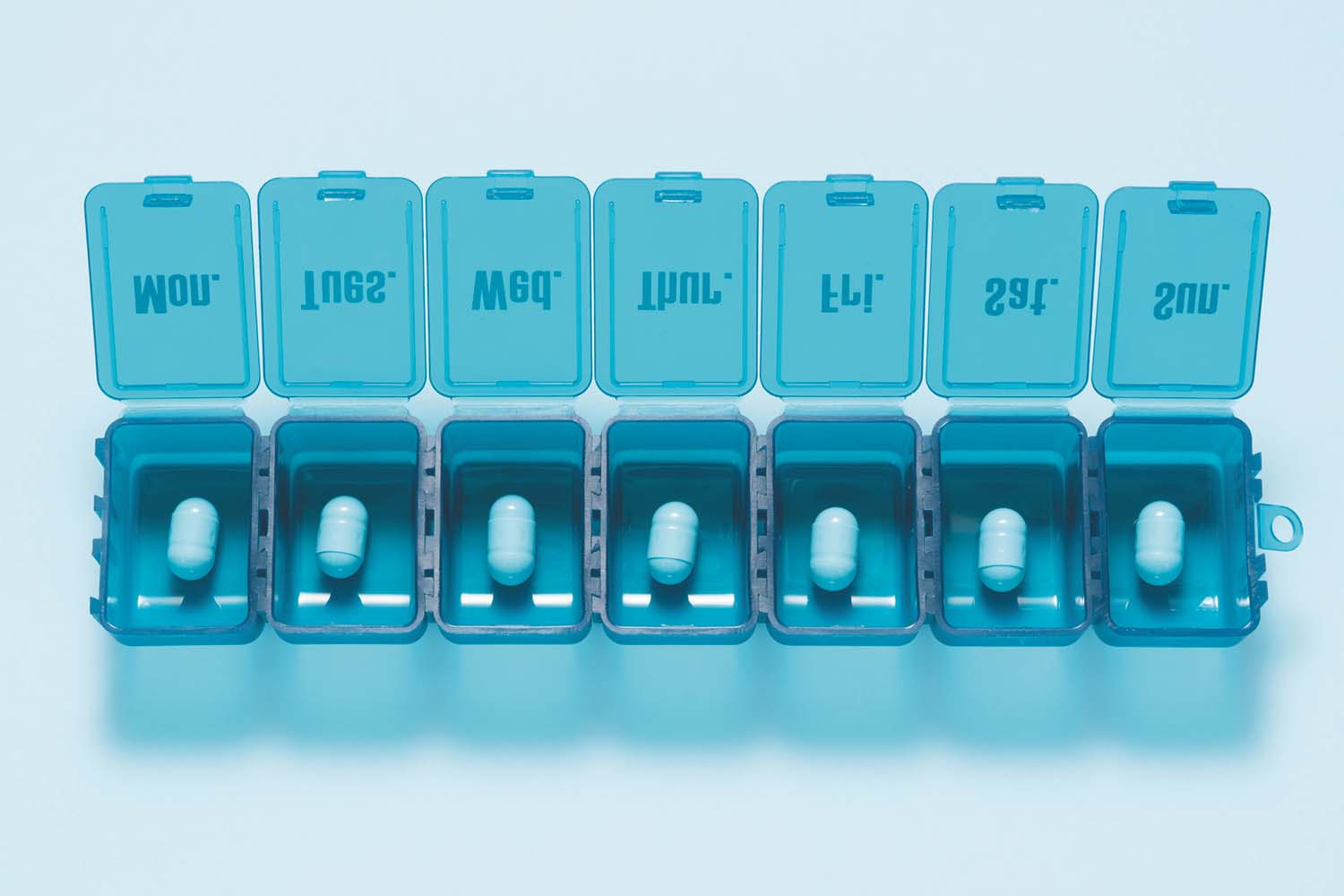
How can I reduce my number of daily medications?
Many people end up taking a long list of medications when they might be able to safely reduce the number of daily pills. Reviewing medications with their specialists and primary care doctor can help determine which drugs may be reduced or perhaps discontinued.

FDA approves first pill for postpartum depression
The FDA approved the first pill for postpartum depression in August 2023. The fast-acting drug, zuranolone (Zurzuvae), is taken for just two weeks.

Lynch syndrome: Reclaiming power
Lynch syndrome is an inherited condition that predisposes people to colorectal, uterine, ovarian, and other forms of cancer. Genetic testing can pinpoint Lynch syndrome, and genetic counseling is also recommended. People with Lynch syndrome need frequent cancer screenings and should watch for symptoms. Women with Lynch syndrome are also advised to undergo risk-reducing surgery that removes the ovaries, fallopian tubes, and uterus between ages 35 and 40, unless a woman is planning another pregnancy.

Beyond appetite suppression
Semaglutide (Ozempic, Wegovy), which mimics a natural hormone called GLP-1, has become a popular obesity drug because it promotes dramatic weight loss. New evidence suggests this drug and others like it may also curb compulsions for things other than food. The drugs may also dampen cravings for alcohol, smoking, gambling, and excessive shopping by hampering activation of the brain's reward pathways. If further research confirms preliminary findings, the demand for GLP-1 drugs is likely to increase.

CPAP machines and masks: Which ones are right for you?
Continuous positive airway pressure (CPAP) is a first-line treatment for people with obstructive sleep apnea. The CPAP keeps the airway open by pushing a forceful stream of air through a tube and into a mask worn during sleep. The air comes from a small bedside pump (an air compressor). Other forms of positive airway pressure (PAP) may be helpful for people with central sleep apnea. Doctors determine which type of PAP therapy and device someone needs. Patients select the type of PAP mask to use with the system.

Stopping a medication? Check first, quit safer
Abruptly stopping a medication can be risky and even life-threatening. For example, suddenly discontinuing certain drugs can cause a rebound effect, meaning that symptoms or problems that were controlled—such as high blood pressure or heartburn—can return with a vengeance. Stopping some medications, such as prescription painkillers or antidepressants, might result in withdrawal symptoms. Before quitting any drug cold turkey, it's important to consult with a doctor to make sure that it's safe.

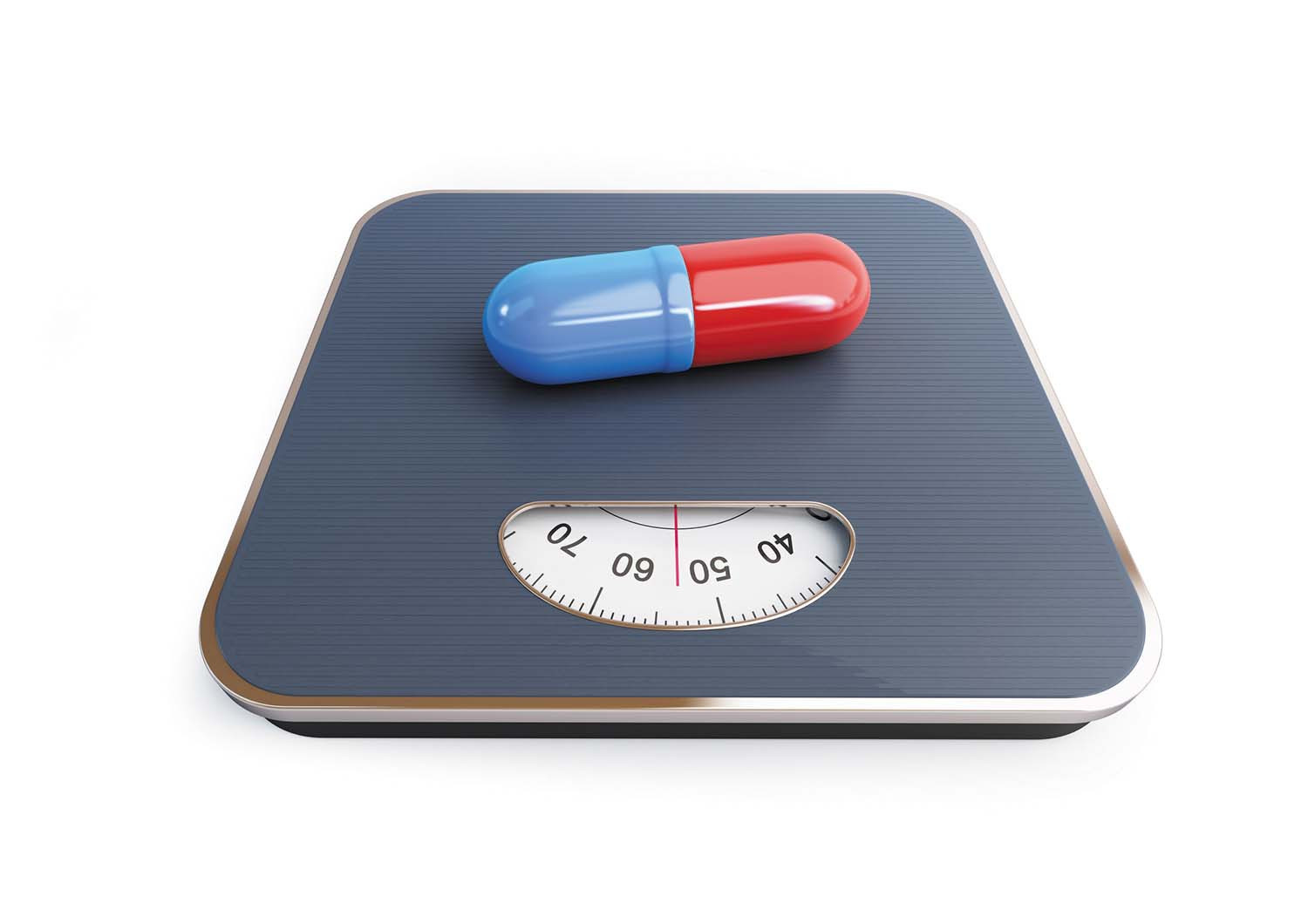
Understanding new weight-loss drugs
A newer class of medications used to treat type 2 diabetes called glucagon-like peptide-1 (GLP-1) receptor agonists has gained attention because of their impressive weight-loss results—in many cases, 10% to 20% of a person's body weight. Versions of two of these GLP-1 receptor agonists, liraglutide (Saxenda) and semaglutide (Wegovy), are FDA-approved for weight loss, even for people without diabetes. However, there isn't enough evidence to know whether these drugs might be beneficial or dangerous for people who are not diagnosed with diabetes or obesity.
Hip bursitis vs. arthritis: How to tell the difference
Fitness for longevity: Which type matters most?
Ministrokes linked to elevated risk of dementia
Continuous glucose monitors benefit people who don't need insulin
CoQ10: Should you take this popular supplement if you're on a statin?
Microplastics: A hidden health threat?
Oat vs. dairy milk: Nutrition, benefits, and downsides
What is tempeh? Benefits, nutrition, and how to use it
Healing after food poisoning
Whole grains may improve several heart risk factors at once
Free Healthbeat Signup
Get the latest in health news delivered to your inbox!
Sign Up
