

Hip bursitis vs. arthritis: How to tell the difference

Fitness for longevity: Which type matters most?

Ministrokes linked to elevated risk of dementia

Continuous glucose monitors benefit people who don't need insulin

CoQ10: Should you take this popular supplement if you're on a statin?

Microplastics: A hidden health threat?

Oat vs. dairy milk: Nutrition, benefits, and downsides

What is tempeh? Benefits, nutrition, and how to use it

Healing after food poisoning

Whole grains may improve several heart risk factors at once
Medications and treatments Archive
Articles

Taking medications on the road
Ask questions about rules, and get supplies in advance.
When it's time for an overnight or extended trip, there are lots of things to pack — your clothes, toiletries, and maybe important documents. But sometimes medicine isn't at the top of the list. "I hear about people forgetting medications at home, not bringing enough for the whole trip, or packing them in a suitcase that gets lost," says Dr. Suzanne Salamon, associate chief of gerontology at Harvard-affiliated Beth Israel Deaconess Medical Center.
Whether you're staying across town or traveling around the world, consider the following strategies to help you maintain your medication regimen.

Heart attacks: Less frequent and less deadly than 20 years ago
Research we're watching
Fewer older adults are having heart attacks, and more are surviving them, according to a study published March 15 in JAMA Network Open.
Researchers analyzed data from more than 4.3 million people ages 65 and older who had suffered heart attacks over a 20-year period beginning in 1995. Back then, 20% of those included in the study died from their heart attacks. By 2014, that number had fallen to 12%.
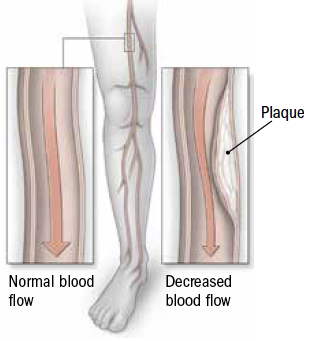
A leg up on peripheral artery disease
The condition causes leg pain and fatigue that make activity difficult, but lifestyle changes can improve how you feel.
The occasional leg pain or stiffness is often not cause for concern, but if pain or fatigue develops after just a few minutes of walking or climbing stairs, it could be an early sign of peripheral artery disease (PAD).
"PAD not only interferes with an active lifestyle, but also can put you at higher risk for a heart attack and stroke," says Dr. Michael Belkin, chief of the Division of Vascular and Endovascular Surgery with Harvard-affiliated Brigham and Women's Hospital. "You can't cure PAD once it occurs, so you want to take measures to avoid it as much as possible."

Look out for Lyme
Here's how to protect yourself from this growing tick-borne disease.
Summer is the ideal time to enjoy the outdoors, but while you're interacting with nature, you need to look out for ticks that carry Lyme disease, the most common tick-borne disease in the United States.
About 300,000 people are diagnosed with Lyme disease each year, according to the CDC, and new research suggests that number will rise by 20% by mid-century.

Is under-the-tongue allergy therapy safe and effective?
Ask the doctors
Q. I have seasonal allergies and I'm thinking about getting allergy shots to control them. But I hate shots and would prefer the sublingual treatments. Are these treatments considered equally safe and effective?
A. The short answer to your question is yes. Sublingual allergy treatments, which are small doses of allergens administered as tablets or liquid drops under the tongue, are considered safe and effective compared with allergy shots.

Healthy individuals don't need low-dose aspirin therapy
Research we're watching
If you're healthy and don't have a history of cardiovascular disease, daily low-dose aspirin is no longer recommended as a preventive measure, says a new guideline released by the American Heart Association and American College of Cardiology. The risks of internal bleeding and other side effects outweigh the benefits of aspirin in this group.
The new guideline, which was based on numerous recent studies, does not apply to people who have had a heart attack or stroke or who have undergone a bypass procedure. The recommendation to take low-dose aspirin therapy in this group is unchanged.

Undoing the harm: Tapering down from high-dose opioids
The CDC’s Guideline on Prescribing Opioids for Chronic Pain helps doctors and patients manage treatment at safe levels and avoid dependence. Any plan to taper medication dosage should be personalized to the patient’s needs.

8 pill-free ways to lower your blood pressure
A healthy diet that includes plenty of fresh fruit and vegetables can help to lower and control high blood pressure. Images: Thinkstock |
Try losing weight, changing your diet, and exercising.
Sometimes getting your blood pressure under control requires that you take several medications each day, such as a diuretic and a calcium-channel blocker. But some therapies don't involve medication. "People who have drug intolerances or are unwilling to take medications can try pill-free therapy, and it can also be used to make a medication regimen more effective," says Dr. Randall Zusman, a cardiologist and Harvard Medical School associate professor.

What to do if your medication is recalled
Drug recalls don't necessarily affect every batch of a pill or potion. You'll need to do a little homework before you stop taking your medication.
We take prescription and over-the-counter medications to get better or avoid getting sick. We know drug side effects can make us feel ill. But we don't imagine that medications can contain toxic impurities. Yet, it happens. Recently, for example, dozens of prescription blood pressure pills (angiotensin-receptor blockers, or ARBs) containing trace amounts of potentially cancer-causing compounds were recalled.
Recalls happen frequently. Sometimes, the FDA finds the manufacturing process to be defective. Other times, a dangerous side effect that was initially not apparent becomes clear later. "Some medication recalls are for problems that are not very serious, but the products have to be recalled nonetheless," says Joanne Doyle Petrongolo, a pharmacist with Harvard-affiliated Massachusetts General Hospital.

Using mind over matter to help treat chronic pain
News briefs
Many people use psychological techniques to help them cope with chronic pain. But which approach is best? A study published Jan. 31, 2019, in the journal Evidence-Based Mental Health offers insight. Researchers analyzed 21 randomized studies focusing on the effect of either cognitive behavioral therapy (CBT), to redirect pain-related thoughts and behaviors, or mindfulness-based stress reduction (MBSR), combining yoga and meditation to build awareness and acceptance of moment-to-moment experiences (including pain). The result: There was no clear winner. Both approaches reduced pain and depression and improved physical functioning compared with usual care or no care. The authors say the findings are important, since CBT is considered the go-to psychological technique for chronic pain. But MBSR should be considered as an additional tool, they suggest. Want to try it? Many hospitals, universities, and meditation centers offer MBSR programs. You can also search for MBSR videos and classes online.
Hip bursitis vs. arthritis: How to tell the difference
Fitness for longevity: Which type matters most?
Ministrokes linked to elevated risk of dementia
Continuous glucose monitors benefit people who don't need insulin
CoQ10: Should you take this popular supplement if you're on a statin?
Microplastics: A hidden health threat?
Oat vs. dairy milk: Nutrition, benefits, and downsides
What is tempeh? Benefits, nutrition, and how to use it
Healing after food poisoning
Whole grains may improve several heart risk factors at once
Free Healthbeat Signup
Get the latest in health news delivered to your inbox!
Sign Up
