

Hip bursitis vs. arthritis: How to tell the difference

Fitness for longevity: Which type matters most?

Ministrokes linked to elevated risk of dementia

Continuous glucose monitors benefit people who don't need insulin

CoQ10: Should you take this popular supplement if you're on a statin?

Microplastics: A hidden health threat?

Oat vs. dairy milk: Nutrition, benefits, and downsides

What is tempeh? Benefits, nutrition, and how to use it

Healing after food poisoning

Whole grains may improve several heart risk factors at once
Medications and treatments Archive
Articles

Sex hormones and your heart
Here's the latest thinking about how estrogen or testosterone therapy may affect cardiovascular risk.
The two main sex hormones — estrogen and testosterone — have wide-ranging effects in the body. Produced primarily by the ovaries (estrogen) and testes (testosterone), these hormones affect not just your sexual function but also your bones, brain, and blood vessels, for example.
As people age, the natural decline in sex hormone levels sometimes causes undesirable symptoms, such as hot flashes or a flagging sex drive. Doctors can prescribe pills, patches, gels, and creams containing estrogen or testosterone to ease those symptoms. But are these products safe for your heart?
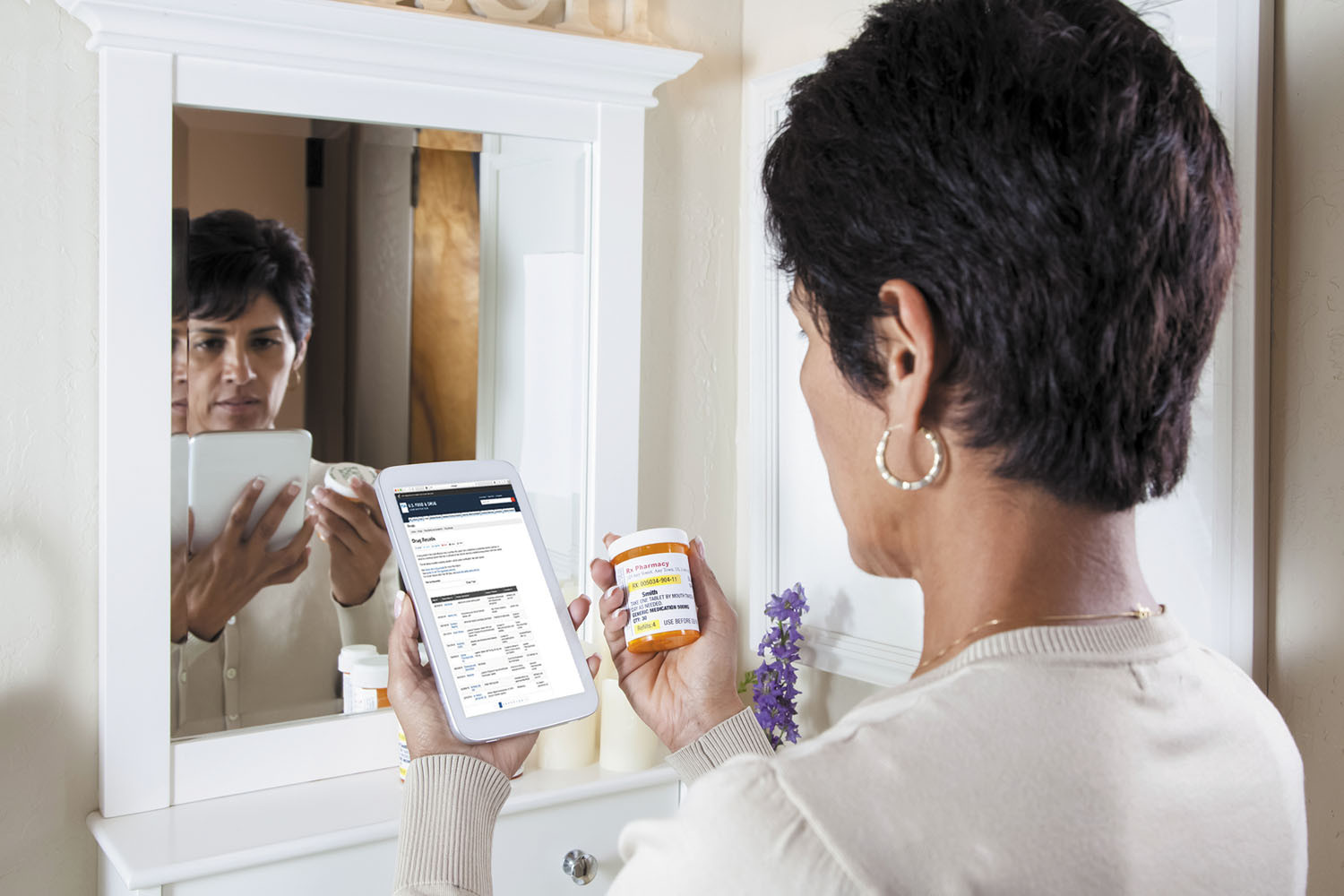
Lessons from the blood pressure drug recall
Here's what you need to know about the discovery of contaminants in a popular class of heart medications.
Last summer, a number of prescription medications containing the generic drug valsartan were recalled by manufacturers after investigators found trace amounts of possible cancer-causing impurities in some of the products. Over the following months, additional lots of valsartan, as well as batches of two similar drugs, losartan and irbesartan, were also pulled from pharmacy shelves.
All three of these drugs belong to a class of medications known as angiotensin-receptor blockers, or ARBs. These drugs block the effects of a hormone that narrows blood vessels and are used to treat high blood pressure and heart failure. The recalled products also include combination drugs that contain one of those three ARBs. (See "Medication recall information" for accessing the list of affected products.)

After hospitalization for heart disease: Avoid opioid drugs?
Research we're watching
People with heart disease who leave the hospital with a prescription for opioids may be more likely to miss follow-up care than those not prescribed opioids, a new study finds.
The study included nearly 2,500 people (mostly white men with an average age of 60) who were discharged from a university medical center after a heart attack or sudden heart failure. One in five were prescribed the powerful pain relievers known as opioids. Those people were less likely to follow up with their health care provider or to participate in cardiac rehabilitation than those not prescribed opioids.
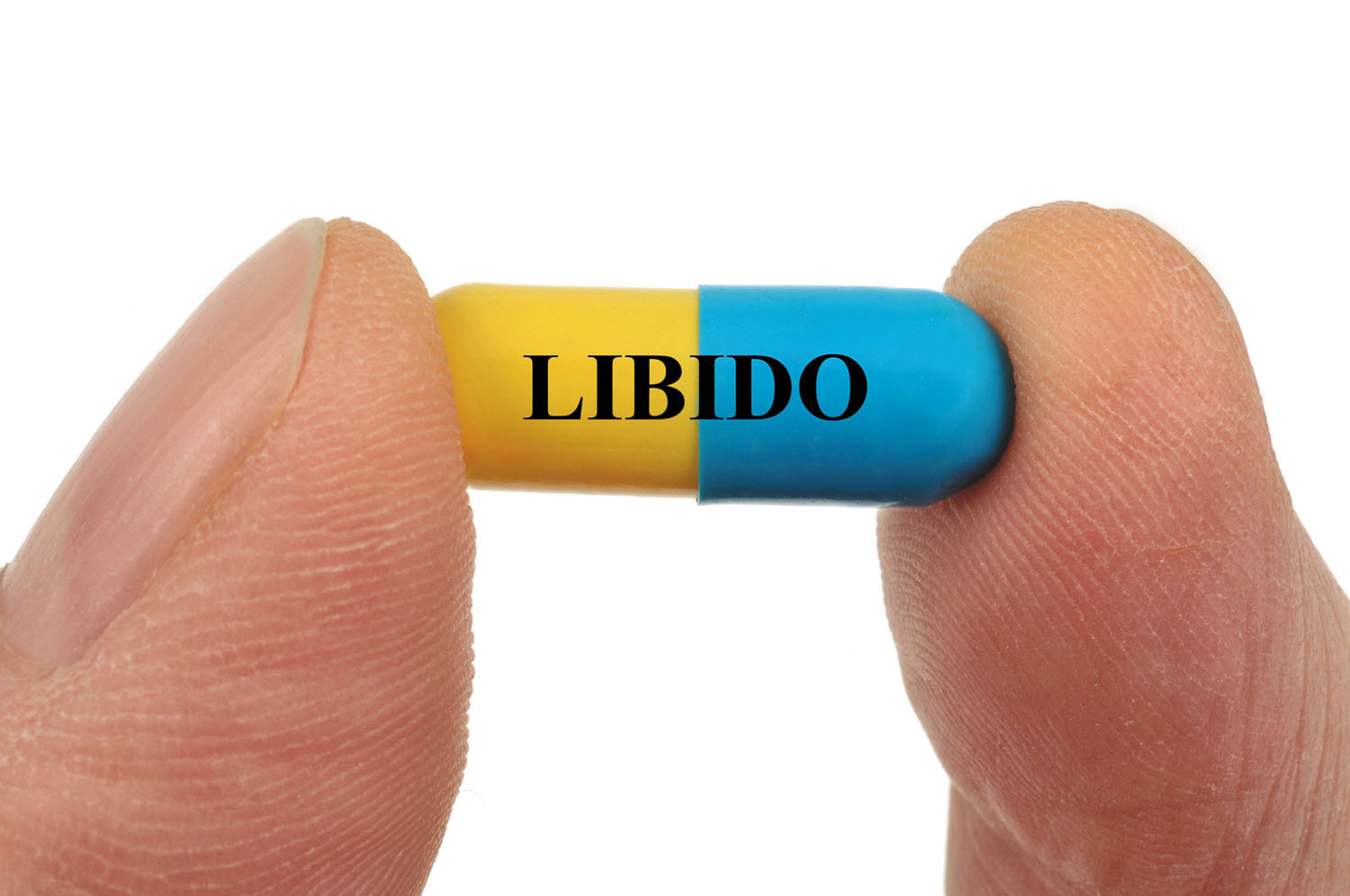
Can blood pressure medications interfere with my sex drive?
On call
Q. I know that erectile dysfunction can be a common side effect of blood pressure medications, but can they also lower my sex drive?
A. Sexual issues are a side effect of many medications, including ones prescribed to lower blood pressure. You're correct that erectile dysfunction (ED) is mentioned most frequently. But blood pressure medicines also can decrease sexual drive or make it more difficult to reach orgasm.

Get healthy for vacation
Don't neglect healthy habits when planning your summer travels.
Before you leave for summer vacation, don't forget to pack some good health.
"While you should follow healthy habits year-round, you should give extra attention to certain areas when you travel, since you are often more active than usual," says Dr. Wynne Armand, a primary care physician at Harvard-affiliated Massachusetts General Hospital.

Taking osteoporosis drugs shouldn't prevent you from getting oral surgery
A drug holiday is one recommendation to reduce the risk of a rare bone condition that affects the jaw.
A dentist refers a woman to an oral surgeon because she needs a tooth pulled. But upon reviewing her chart, the oral surgeon turns her away.
The reason? She's taking a common medication to treat her osteoporosis, a condition that causes bones to become thin, brittle, and prone to fracture.


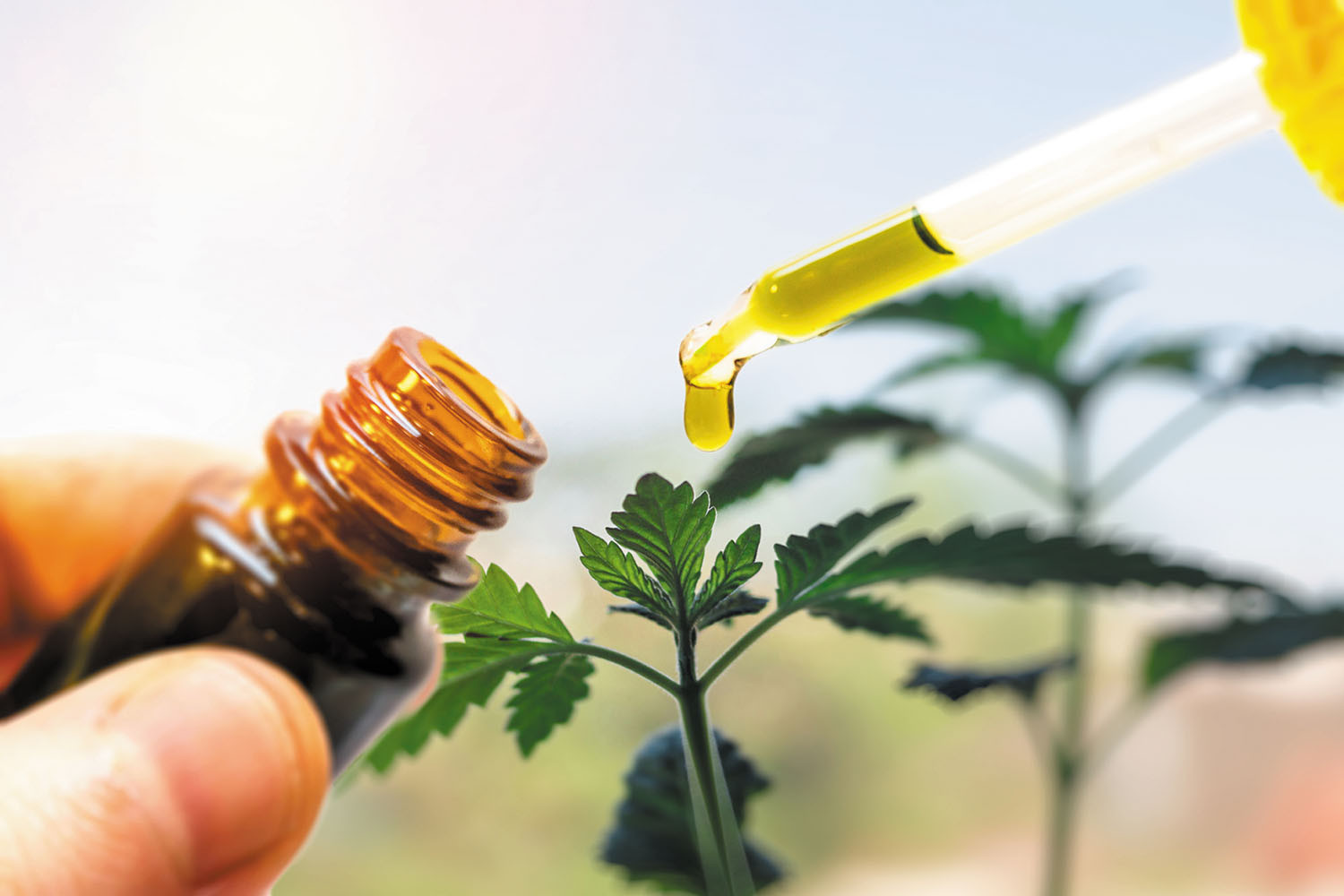
Answers to the top questions about cannabis extract
Sales of cannabidiol-infused products are expected to top $2 billion by 2021. But is CBD right for you?
Cannabidiol (CBD) is touted as a natural wonder that can help treat symptoms of everything from anxiety to arthritis pain. The plant extract comes from two varieties of cannabis — hemp and marijuana — and is available in creams, tinctures, oils, patches, gummy bears, capsules, and more. You can even add CBD to a latte if you walk into a coffee shop in some cities.
But is CBD safe for older adults? There haven't been a lot of large studies of CBD's safety, but more traditional medicines for pain and anxiety are not free of adverse effects, either. "I think CBD is likely safer than many other treatments people use for pain, insomnia, or anxiety," says Dr. Peter Grinspoon, a primary care physician with Harvard-affiliated Massachusetts General Hospital. Other physicians don't think we know enough about the safety profile of CBD to be sure.

Muscle aches from statins: Real, but sometimes imagined?
The "nocebo effect" may explain why some people believe they can't tolerate statins.
For more than 20 years, cholesterol-lowering statin drugs have been a mainstay for preventing and treating heart disease. But up to half of people prescribed these drugs are no longer taking them within a year or two. The reasons vary, but some people experience what they believe to be statin-related side effects — most often muscle pain. Others avoid statins altogether because of worries over side effects.
"Far too any people think they cannot tolerate statins when they actually can," explains Dr. Jorge Plutzky, director of preventive cardiology at Harvard-affiliated Brigham and Women's Hospital. To be clear, muscle problems are a known side effect of statins. However, serious muscle-related complications are extremely rare (see "What is rhabdomyolysis?"). And when people experience the more common — but less worrisome — muscle-related symptoms, those issues usually resolve with a lower statin dose or a change to a different statin, Dr. Plutzky says.
Hip bursitis vs. arthritis: How to tell the difference
Fitness for longevity: Which type matters most?
Ministrokes linked to elevated risk of dementia
Continuous glucose monitors benefit people who don't need insulin
CoQ10: Should you take this popular supplement if you're on a statin?
Microplastics: A hidden health threat?
Oat vs. dairy milk: Nutrition, benefits, and downsides
What is tempeh? Benefits, nutrition, and how to use it
Healing after food poisoning
Whole grains may improve several heart risk factors at once
Free Healthbeat Signup
Get the latest in health news delivered to your inbox!
Sign Up
