

Hip bursitis vs. arthritis: How to tell the difference

Fitness for longevity: Which type matters most?

Ministrokes linked to elevated risk of dementia

Continuous glucose monitors benefit people who don't need insulin

CoQ10: Should you take this popular supplement if you're on a statin?

Microplastics: A hidden health threat?

Oat vs. dairy milk: Nutrition, benefits, and downsides

What is tempeh? Benefits, nutrition, and how to use it

Healing after food poisoning

Whole grains may improve several heart risk factors at once
Mental Health Archive
Articles
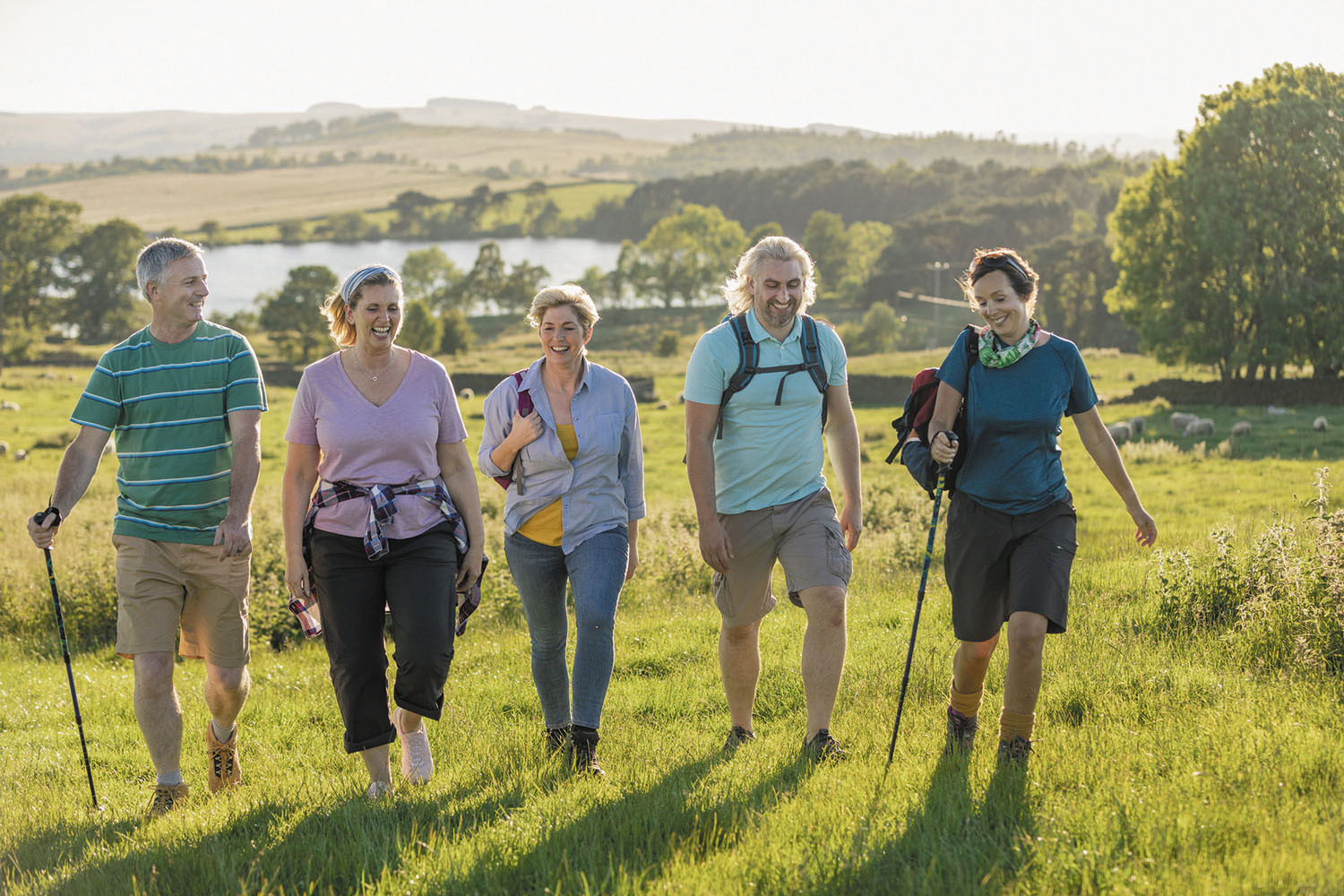
Hike your way to better health
Hiking is similar to walking but can be more challenging and can provide a nice change of pace. Walking over uneven terrain typically burns more calories than a walk on a flat surface. It also builds muscle strength and improves balance. A wilderness walk also brings mental health benefits. Choosing a path to a scenic destination may motivate people to go farther and climb higher and increase fitness gains.

Resilience: 5 ways to help children and teens learn it
The past two years have been hard and children and teens have had to deal with particularly challenging circumstances. Resilience—the ability to overcome hardship and stress—is one of the most important skills parents can teach their children.

Can we prevent depression in older adults by treating insomnia?
Depression is common among older adults, and insomnia doubles the risk of major depressive disorder. There is increasing evidence that treating insomnia in older people who have both insomnia and major depression has the potential to improve both their sleep and their mood.

Optimism, heart health, and longevity: Unraveling the link for Black Americans

Is a mobile app as good as a therapist?
Due to the lengthy wait for an appointment with a therapist, many people have turned to the numerous mental health apps available on smartphones. Research did not find convincing evidence that use of any such app resulted in significant improvement in symptoms, but some may be useful as a complement to therapy.

The most common exercise among people with arthritis
U.S. adults who report being physically active say their most frequent forms of exercise are walking, gardening, and weight lifting, according to a study published online Oct. 8, 2021, by the CDC's Morbidity and Mortality Weekly Report.

Shield your brain from decline
The acronym SHIELD sums up the habits that may help ward off cognitive decline. SHIELD stands for sleeping at least seven hours per night, handling stress, interacting with friends, exercising daily, learning new things, and eating a healthy diet. Ideally, one should incorporate all of these healthy lifestyle habits into each day. If that feels overwhelming, doctors advise focusing on a different healthy habit per day, until it's possible to practice all of the habits every day.

Can brain training smartphone apps and computer games really help you stay sharp?
A large number of apps and computer programs claim to help keep the mind sharp and improve memory. Since there is limited evidence that these programs bring cognitive benefits, be skeptical of these claims and choose the ones that you enjoy. Meanwhile, practice proven brain-protecting strategies such as staying physically active, eating a healthy diet, socializing, and avoiding brain-harming habits such as drinking excess alcohol, getting too little sleep, and using illegal drugs.

Getting through grief
The American Psychiatric Association has recently added prolonged grief disorder to its official list of classified mental disorders. Someone may develop this disorder when someone close has died within the past 12 months. The person may experience intense longing for the deceased or preoccupation with thoughts about him or her. These feelings occur most of the day and nearly every day for at least a month. Recognizing the signs and seeking out help with talk therapy are the best approaches to help prevent it from evolving to depression.

Is broken heart syndrome becoming more common?
Broken heart syndrome—an uncommon condition linked to severe emotional or physical stress that occurs mostly in women—may be more common than previously thought. The increase in diagnoses may reflect heightened awareness of all forms of heart disease in women. The condition may result from the surge of adrenaline that affects the heart's muscle cells and blood vessels, causing the heart's left ventricle to temporarily change shape. The heart resembles a Japanese clay pot used to trap an octopus, called a tako-tsubo, which is why broken heart syndrome was originally dubbed takotsubo cardiomyopathy.
Hip bursitis vs. arthritis: How to tell the difference
Fitness for longevity: Which type matters most?
Ministrokes linked to elevated risk of dementia
Continuous glucose monitors benefit people who don't need insulin
CoQ10: Should you take this popular supplement if you're on a statin?
Microplastics: A hidden health threat?
Oat vs. dairy milk: Nutrition, benefits, and downsides
What is tempeh? Benefits, nutrition, and how to use it
Healing after food poisoning
Whole grains may improve several heart risk factors at once
Free Healthbeat Signup
Get the latest in health news delivered to your inbox!
Sign Up
