

Hip bursitis vs. arthritis: How to tell the difference

Fitness for longevity: Which type matters most?

Ministrokes linked to elevated risk of dementia

Continuous glucose monitors benefit people who don't need insulin

CoQ10: Should you take this popular supplement if you're on a statin?

Microplastics: A hidden health threat?

Oat vs. dairy milk: Nutrition, benefits, and downsides

What is tempeh? Benefits, nutrition, and how to use it

Healing after food poisoning

Whole grains may improve several heart risk factors at once
Mental Health Archive
Articles


What does it take to be a super-ager?
Research suggests that moving out of your comfort zone is the key to staying mentally and physically young.
Finding role models who are older than we are gets more difficult as we age. But in the last few years, medical science has identified a new group we can aspire to join — the super-agers. The term refers to people in their 70s and 80s who have the mental or physical capability of their decades-younger counterparts.
What makes a cognitive super-ager?
Dr. Bradford Dickerson, a neurologist at Harvard-affiliated Massachusetts General Hospital and his colleagues have been studying super-agers for several years. Their results suggest that embracing new mental challenges may be the key to preserving both brain tissue and brain function.

How depression affects your thinking skills
Don't assume age is to blame for changes in memory, attention, and decision making.
Image: © pixelheadphoto/Thinkstock
Depression has a way of sucking the joy and meaning from life. Chronic feelings of hopelessness, apathy, or despair are part of the condition. It may also bring physical symptoms, such as weight loss, sleep disturbance, fatigue, and aches and pains. But depression can be sneaky, causing subtle changes in thinking skills that you may not attribute to the condition. "Very often, one of the first signs of depression in people ages 70 or older is a change in thinking," says Dr. Helen Farrell, a psychiatrist with Harvard-affiliated Beth Israel Deaconess Medical Center.
What's the connection?
Depression may involve the interruption or reduction of chemical messengers in the brain called neurotransmitters, such as serotonin, dopamine, and norepinephrine. These chemical changes may be the cause of your depression (if the brain systems that regulate them go awry), or they may result from other depression triggers, such as the following:


Binge drinking continues to rise — particularly among women and seniors
Data from several surveys indicate that the percentage of women who drink has been increasing for decades. The numerous health effects associated with alcohol consumption mean that women should be especially attentive to how much they drink.

Physicians and opioids: Part of the solution, but challenges ahead
As doctors acknowledge the role that they have played in the current opioid crisis, they, along with hospitals, medical schools, and other members of the medical community have worked to address the issue on several fronts, including instituting prescribing guidelines and offering continuing education to prescribers.

Treating pain after opioid addiction: A personal story
What happens when a person who was addicted to opiates is injured and needs pain medication? A doctor who is in recovery has firsthand experience.
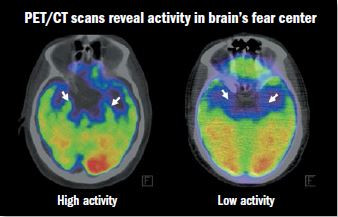
Uncovering the link between emotional stress and heart disease
The brain's fear center may trigger inflammation and lead to a heart attack. But stress reduction techniques can break the chain.
Image: © Cardiology Division, Massachusetts General Hospital
A small, almond-shaped area deep inside the brain called the amygdala is involved in processing intense emotions, such as anxiety, fear, and stress. Now, a new brain-imaging study reveals how heightened activity in the amygdala may trigger a series of events throughout the body that raises heart attack risk.
"This study identifies a mechanism that links stress, artery inflammation, and subsequent risk of a heart attack," says study leader Dr. Ahmed Tawakol, an associate professor of medicine at Harvard Medical School. Earlier animal studies have shown that stress activates bone marrow to make white blood cells. These infection-fighting cells trigger inflammation, a process that encourages the buildup of fatty plaque inside artery walls. "But what we didn't know was, does this happen in humans? And what is the role of the brain?" he says.

Long-term use of opioids may depend on the doctor who prescribes them
Some doctors are more likely to prescribe opioids to their patients, and those patients are more likely to end up taking them long-term. It's crucial for consumers to educate themselves about the risks of taking opiates, and to consider alternatives if possible.

Teen drug use is down: Better parenting, or more smartphones?
Data from an annual survey show that use of illicit drugs among teenagers is in decline, and has been for some time. It’s possible that this can be partially attributed to the popularity of smartphones.
Hip bursitis vs. arthritis: How to tell the difference
Fitness for longevity: Which type matters most?
Ministrokes linked to elevated risk of dementia
Continuous glucose monitors benefit people who don't need insulin
CoQ10: Should you take this popular supplement if you're on a statin?
Microplastics: A hidden health threat?
Oat vs. dairy milk: Nutrition, benefits, and downsides
What is tempeh? Benefits, nutrition, and how to use it
Healing after food poisoning
Whole grains may improve several heart risk factors at once
Free Healthbeat Signup
Get the latest in health news delivered to your inbox!
Sign Up
