

Hip bursitis vs. arthritis: How to tell the difference

Fitness for longevity: Which type matters most?

Ministrokes linked to elevated risk of dementia

Continuous glucose monitors benefit people who don't need insulin

CoQ10: Should you take this popular supplement if you're on a statin?

Microplastics: A hidden health threat?

Oat vs. dairy milk: Nutrition, benefits, and downsides

What is tempeh? Benefits, nutrition, and how to use it

Healing after food poisoning

Whole grains may improve several heart risk factors at once
Mental Health Archive
Articles

Dealing with the symptoms of menopause
You could argue that the physical and mental changes that occur during menopause aren't really "symptoms." The term is usually associated with a disease, which menopause is not. Also, it is often hard to say which changes are a direct result of a drop in hormone levels and which are natural consequences of aging. Some of the symptoms overlap or have a cascade effect. For example, vaginal dryness may contribute to a lower sex drive, and frequent nighttime hot flashes may be a factor in insomnia.
Hot flashes and vaginal dryness are the two symptoms most frequently linked with menopause. Other symptoms associated with menopause include sleep disturbances, urinary complaints, sexual dysfunction, mood changes, and quality of life. However, these symptoms don't consistently correlate with the hormone changes seen with menopause transition.
Depression during pregnancy and after
For too many women, joyfully anticipated pregnancy and motherhood bring depression as an unexpected accompaniment. Children as well as mothers suffer. Depression during pregnancy may result in poor prenatal care, premature delivery, low birth weight, and, just possibly, depression in the child. Depression after childbirth (postpartum depression) can lead to child neglect, family breakdown, and suicide. A depressed mother may fail to bond emotionally with her newborn, raising the child's risk of later cognitive delays and emotional and behavior problems. Fortunately, if the depression is detected soon enough, help is available for mother and child.
Depression During Pregnancy
Depression in pregnant women is often overlooked, partly because of a widespread misconception that pregnancy somehow provides protection against mood disorders. In reality, almost 25% of cases of postpartum depression in womem start during pregnancy, and depression may peak at that time, according to a study published in the British Medical Journal.
Depression and pain
Hurting bodies and suffering minds often require the same treatment.
Pain, especially chronic pain, is an emotional condition as well as a physical sensation. It is a complex experience that affects thought, mood, and behavior and can lead to isolation, immobility, and drug dependence.
In those ways, it resembles depression, and the relationship is intimate. Pain is depressing, and depression causes and intensifies pain. People with chronic pain have three times the average risk of developing psychiatric symptoms — usually mood or anxiety disorders — and depressed patients have three times the average risk of developing chronic pain.

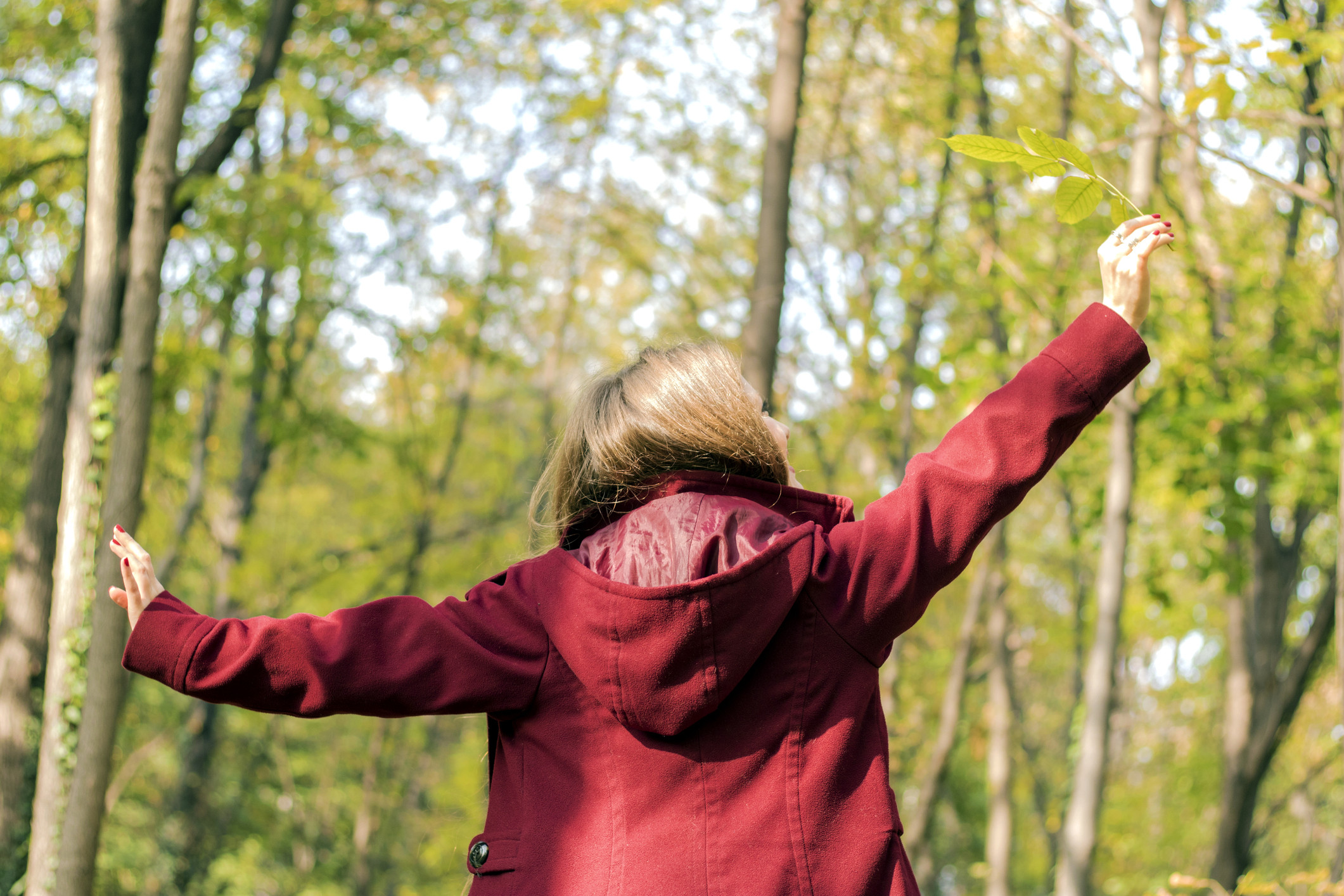
Time spent in “green” places linked with longer life in women
Greenery might do more than just cheer us up. A recent study shows it lowers the mortality rate in women. Green spaces decrease levels of depression and pollution while increasing levels of social engagement and physical activity. If you are lucky enough to be surrounded greenery, get out there and enjoy it more. Even urban areas can increase their greenery by planting more trees and shrubs. See if you can get your community to plant more plants. It will help everyone out in the long run.

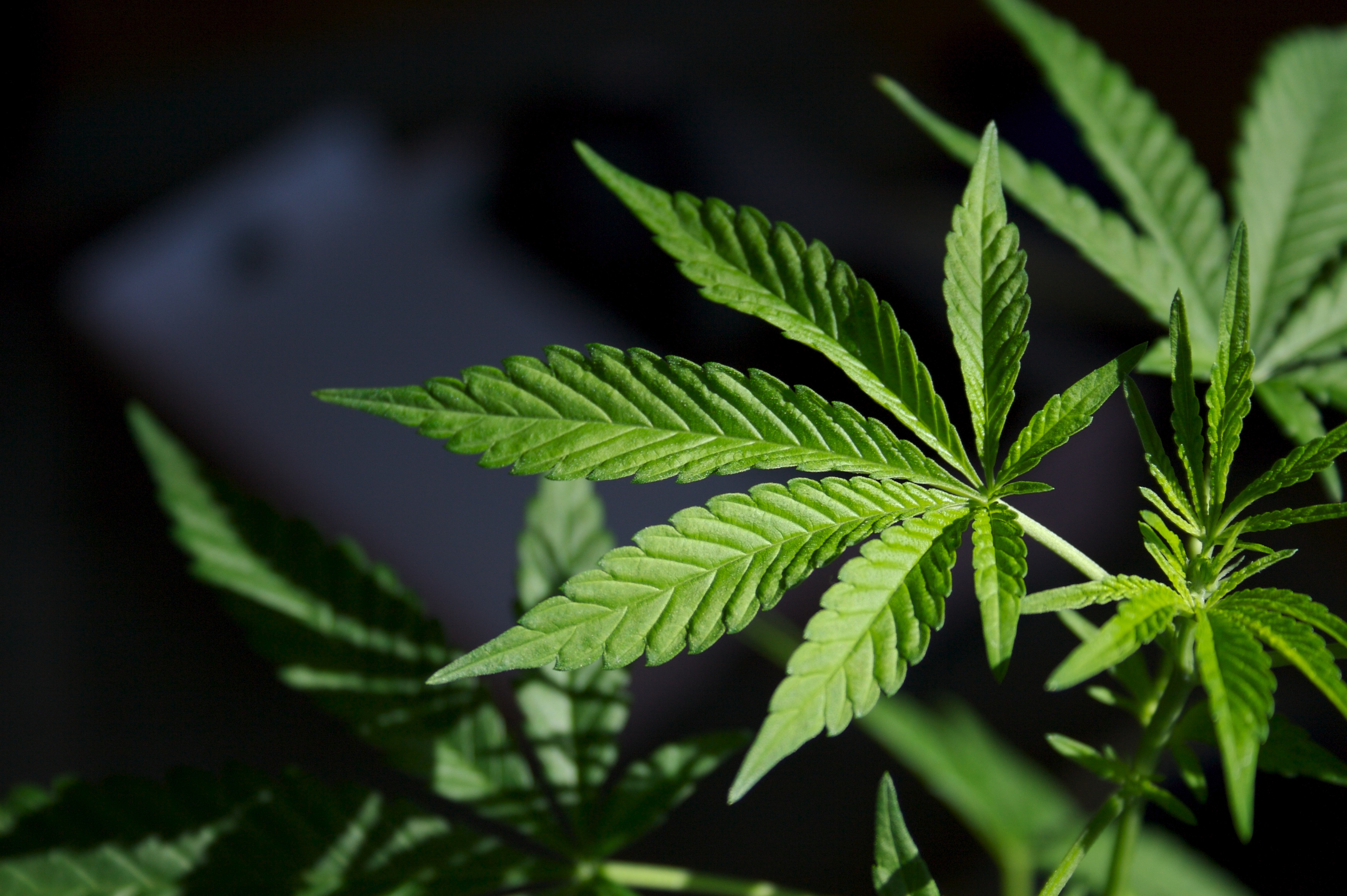
Parents: As more states legalize marijuana, here’s what you need to know and do
As marijuana becomes legal or is decriminalized in more states, teens are less likely to view its use as risky, so parents need to talk with their children about safety, especially if they use it themselves.
Short circuit migraines before they start
Author and migraine sufferer Joan Didion once wrote, "That no one dies of migraine seems, to someone deep into an attack, an ambiguous blessing." At that time, migraines weren't something that could be prevented. Today, that's a possibility for some people who have severe migraines, frequent migraines (more than three or four times a month), or migraines that don't respond well to treatment.
The cornerstone of migraine prevention is managing triggers like stress or certain foods or strong perfumes. Alternative and complementary therapies (like acupuncture) help some migraine sufferers keep headaches at bay.


Look on the bright side and maybe even live longer
Studies suggest that adopting a sunnier outlook may improve your health and even extend your life.
Image: © lzf /Thinkstock
In these turbulent times, it's sometimes a struggle to maintain a glass-half-full view of life. But if you can, it may serve you well. A growing body of research links optimism—a sense that all will be well—to a lower risk for mental or physical health issues and to better odds of a longer life.
One of the largest such studies was led by researchers Dr. Kaitlin Hagan and Dr. Eric Kim at Harvard's T.H. Chan School of Public Health. Their team analyzed data from 70,000 women in the Nurses' Health Study who, in 2004, had answered questions about how they viewed their futures
Hip bursitis vs. arthritis: How to tell the difference
Fitness for longevity: Which type matters most?
Ministrokes linked to elevated risk of dementia
Continuous glucose monitors benefit people who don't need insulin
CoQ10: Should you take this popular supplement if you're on a statin?
Microplastics: A hidden health threat?
Oat vs. dairy milk: Nutrition, benefits, and downsides
What is tempeh? Benefits, nutrition, and how to use it
Healing after food poisoning
Whole grains may improve several heart risk factors at once
Free Healthbeat Signup
Get the latest in health news delivered to your inbox!
Sign Up
