

Hip bursitis vs. arthritis: How to tell the difference

Fitness for longevity: Which type matters most?

Ministrokes linked to elevated risk of dementia

Continuous glucose monitors benefit people who don't need insulin

CoQ10: Should you take this popular supplement if you're on a statin?

Microplastics: A hidden health threat?

Oat vs. dairy milk: Nutrition, benefits, and downsides

What is tempeh? Benefits, nutrition, and how to use it

Healing after food poisoning

Whole grains may improve several heart risk factors at once
Mind & Mood Archive
Articles

Midlife depression probably not a risk factor for dementia
In the journals
A study published online May 17, 2017, by JAMA Psychiatry found that while depression symptoms later in life were associated with dementia, having symptoms in midlife was not. The findings indicate that depression may not be a risk factor for dementia as previously thought, according to the researchers. In the study, about 10,000 people (two-thirds of them men), ages 35 to 55, were recruited and followed for 28 years. Those who reported chronic or recurring depression symptoms at the study's beginning did not show a significant increased risk of developing dementia by the study's end. However, those who reported depression symptoms within the final 11 years of the study were twice as likely to be diagnosed with dementia.
The researchers said that if depression symptoms were a true risk factor for dementia, there would be an association with people who had symptoms earlier in life and not just later. They concluded that depression later in life instead might be an early sign of dementia.

8 non-invasive pain relief techniques that really work
| Image: Bigstock |
Sometimes pain has a purpose — it can alert us that we've sprained an ankle, for example. But for many people, pain can linger for weeks or even months, causing needless suffering and interfering with quality of life.
If your pain has overstayed its welcome, you should know that you have more treatment options today than ever before. Here, we've listed eight techniques to control and reduce your pain that don't require an invasive procedure — or even taking a pill.
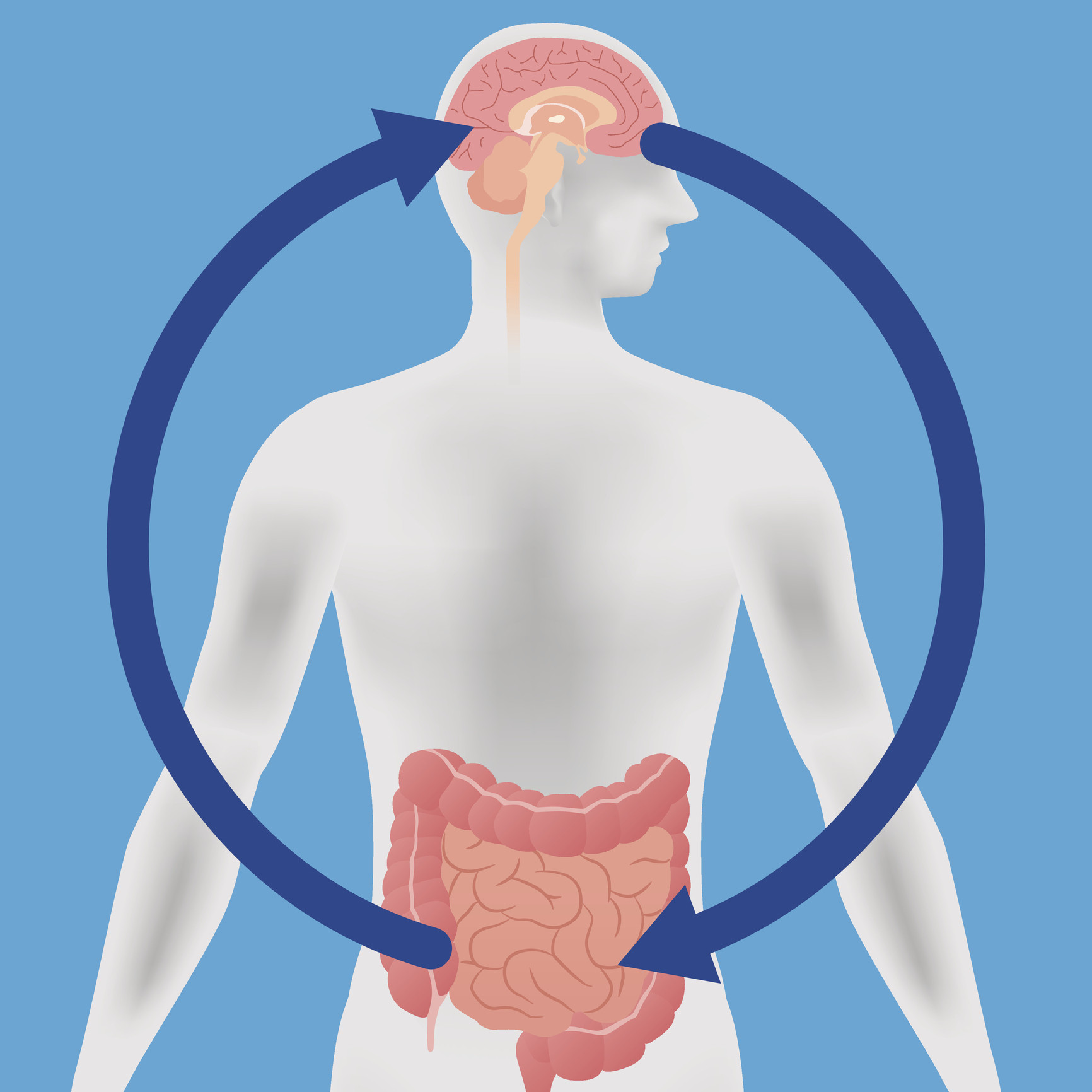

Chronic illness is a part-time job. It shouldn’t be
As currently structured, the American health care system makes it very difficult for those with chronic illnesses to manage their conditions, causing them to perform the equivalent of unpaid labor.

6 ways to keep your child safe this summer
With all the outdoor activities available to kids during the summer, it’s a good idea to take a moment to consider these tips to make sure everyone plays and stays safe.

This is your brain on alcohol
It's no secret that alcohol affects our brains. Although excessive drinking is linked to an increased risk of dementia, decades of observational studies have indicated that moderate drinking has few ill effects. However, a recent British study seems to have bad news for moderate drinkers.
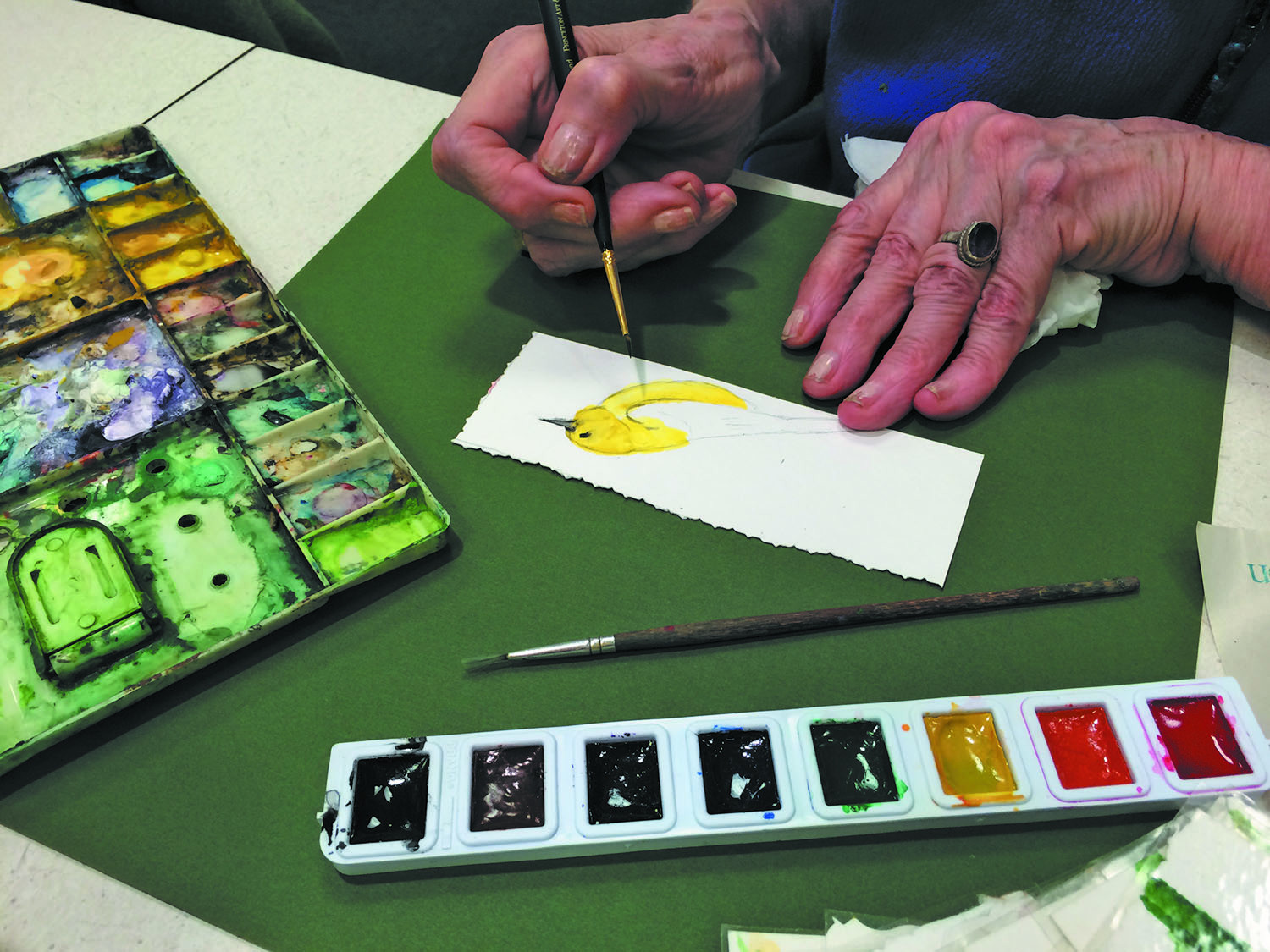
The healing power of art
Creative activities can relieve stress, aid communication, and help arrest cognitive decline.
Image: © Katherine A. Gallagher Integrative Therapies Art Therapy Program at the Mass. General Cancer Center
The title of a recent documentary film, I Remember Better When I Paint, sums up the findings of a growing body of research into the cognitive effects of making art. The movie demonstrates how drawing and painting stimulated memories in people with dementia and enabled them to reconnect with the world. People with dementia aren't the only beneficiaries. Studies have shown that expressing themselves through art can help people with depression, anxiety, or cancer, too. And doing so has been linked to improved memory, reasoning, and resilience in healthy older people.


Treating anxiety without medication
| Image: iStock |
If you suffer from anxiety, the constant, nagging feelings of worry can be troubling and hard to control. These feelings are usually intense and out of proportion to the actual troubles and dangers in your everyday life. They can make it hard to function at home, at work, or in social situations.
Anxiety can be treated with medication, but several mind-body approaches may also be effective.

4 ways to avoid mistakes with liquid medicines
Giving the proper dosage of a liquid medication can be confusing, and parents can accidentally give an incorrect dose if they are tired or distracted. These tips will help you give the right dose every time.
Hip bursitis vs. arthritis: How to tell the difference
Fitness for longevity: Which type matters most?
Ministrokes linked to elevated risk of dementia
Continuous glucose monitors benefit people who don't need insulin
CoQ10: Should you take this popular supplement if you're on a statin?
Microplastics: A hidden health threat?
Oat vs. dairy milk: Nutrition, benefits, and downsides
What is tempeh? Benefits, nutrition, and how to use it
Healing after food poisoning
Whole grains may improve several heart risk factors at once
Free Healthbeat Signup
Get the latest in health news delivered to your inbox!
Sign Up
