

Hip bursitis vs. arthritis: How to tell the difference

Fitness for longevity: Which type matters most?

Ministrokes linked to elevated risk of dementia

Continuous glucose monitors benefit people who don't need insulin

CoQ10: Should you take this popular supplement if you're on a statin?

Microplastics: A hidden health threat?

Oat vs. dairy milk: Nutrition, benefits, and downsides

What is tempeh? Benefits, nutrition, and how to use it

Healing after food poisoning

Whole grains may improve several heart risk factors at once
Mind & Mood Archive
Articles

Older adults and medical marijuana: Reduced stigma and increased use
Cannabis use among older adults has been steadily increasing, due to lessening stigma and increased interest in using medical marijuana. But there are specific concerns for older people, so anyone considering this option should have a conversation with their doctor weighing the benefits and risks.
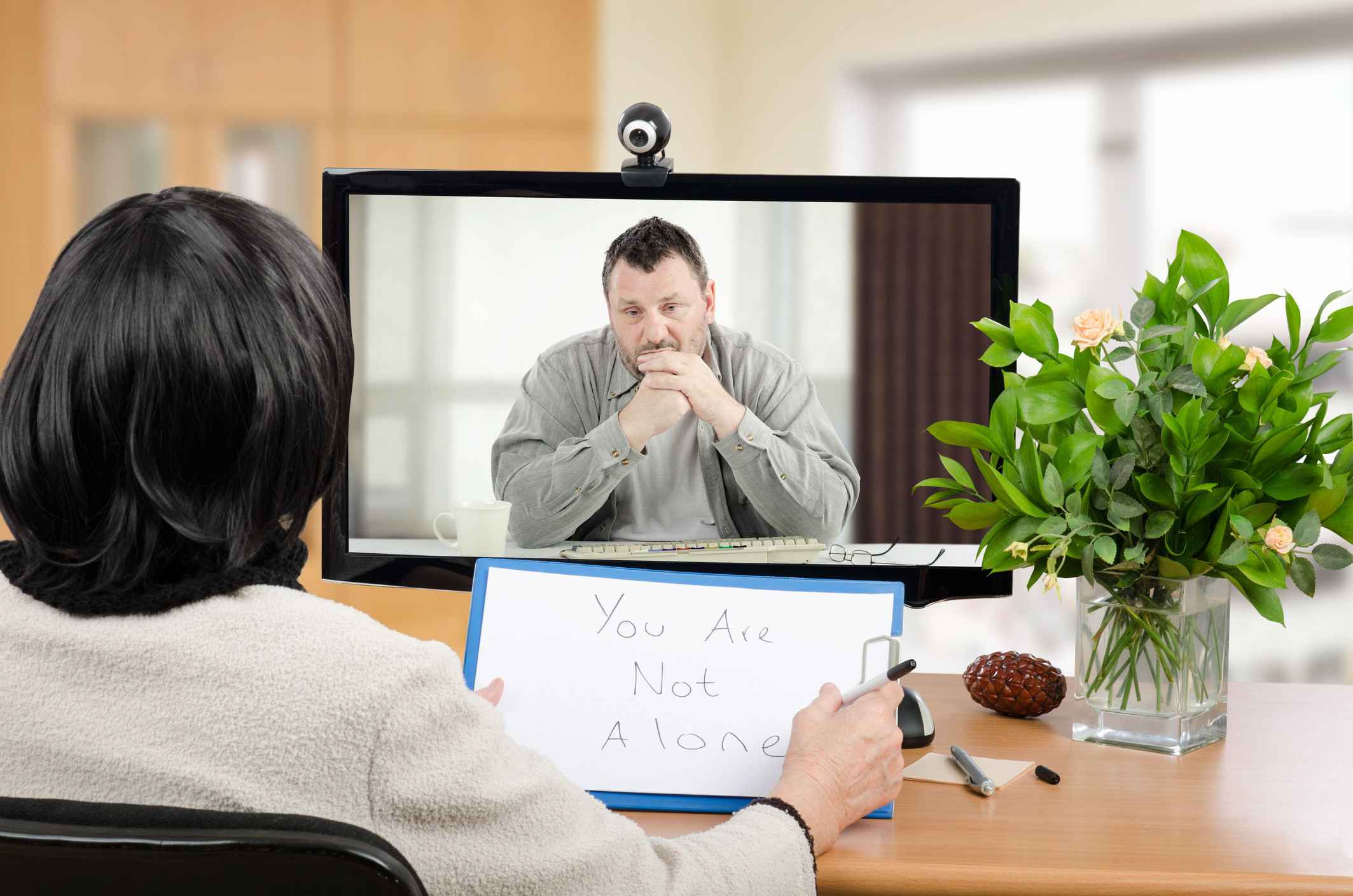
Recovering from addiction during a time of uncertainty and social distancing
Because the very nature of recovery support involves face-to-face interaction, whether in support group meetings or dispensing medication, it is at odds with the need for social distancing during the COVID-19 crisis, creating barriers to receiving support and maintaining recovery.

How to be a mentor
Sharing your life experiences and wisdom with the younger generation can benefit both them and you.
Did you have someone in your life you looked up to? A role model who offered guidance and advice during your formative childhood years or early in your career? These mentors helped shape the person you became. Now is an ideal time to return the favor and become a mentor for a younger person.
"Many older adults have valuable insight and experience that can benefit the next generation as well as improve their own well-being in the process," says Dr. Shannon Scott-Vernaglia, director of pediatric residency training with Harvard-affiliated Massachusetts General Hospital, who leads the hospital's mentorship program. "Mentorship can be a wonderful gift for everyone involved."

Larger waist size may point to dementia risk
In the journals
Older adults with a healthy weight but a large waistline could have a higher risk of developing dementia, according to a recent study.
Weight gain and obesity are known risk factors for dementia, and body mass index (BMI) is often used to estimate excess body fat. (BMI is a measure that takes into account both weight and height.)

Finding meaning in life could improve your health
In the journals
Do you feel you have a purpose in your life — or perhaps think you will never find one? The answer could influence your overall well-being, says a recent study in the January/February 2020 issue of The Journal of Clinical Psychiatry.
Researchers asked 1,042 adults, average age 65, to fill out questionnaires about meaning in their lives, and compared their responses with data on their physical and mental well-being. Respondents who believed they had meaning in their life had better physical and mental health scores and higher cognitive function compared with those who didn't.

Is it safe to see the pediatrician for vaccines and medical visits?
Concerned about pediatric visits right now? Is it okay to wait on a child’s vaccinations or better to stick to the schedule? What about appointments for other routine matters? What is serious enough to justify the risk?

Apps to keep us connected in a time of social distancing
The challenge of being isolated from loved ones and friends can be eased by using any of several different apps that enable various types of communication, including video calls and messages.
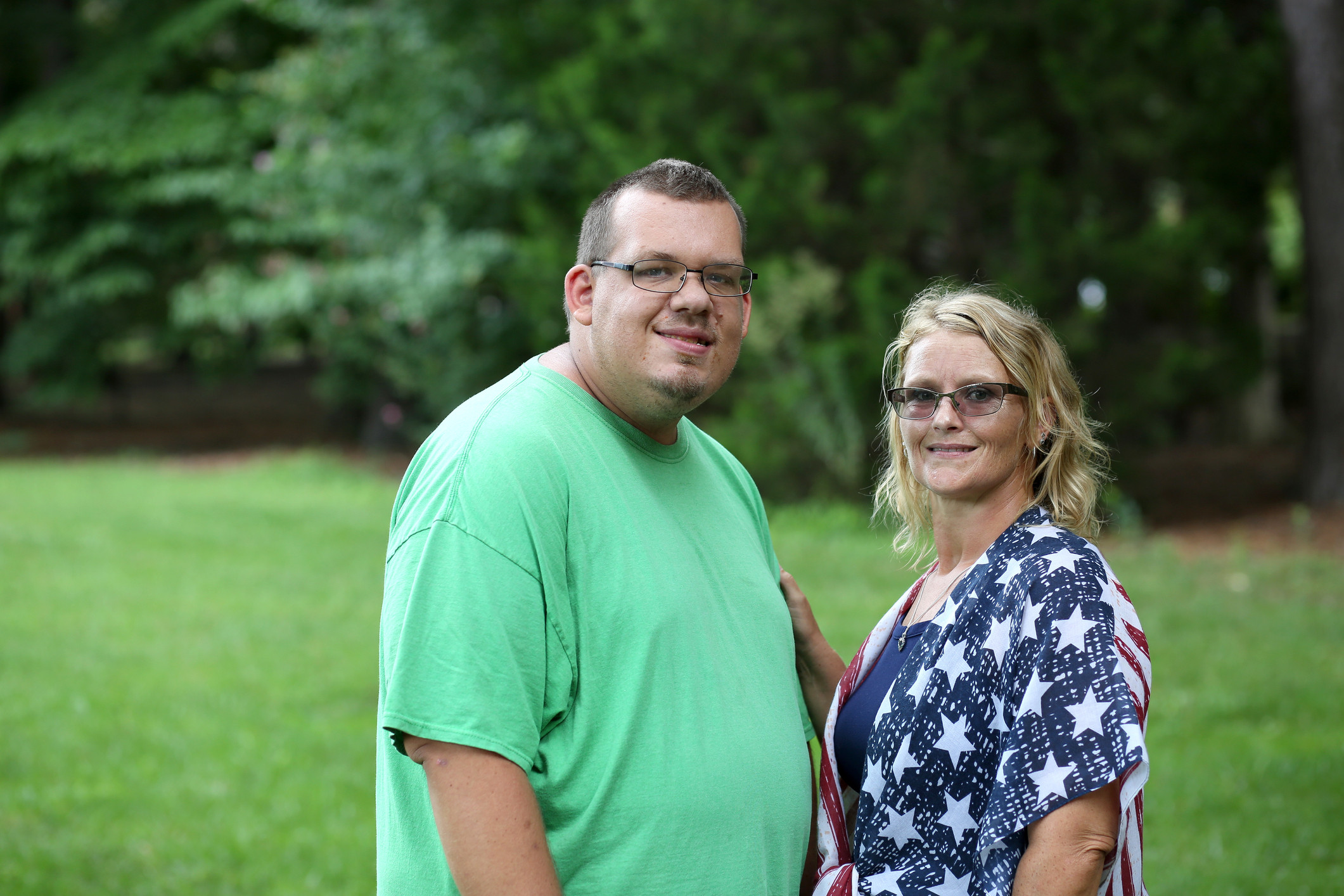
Opportunities for growth: Transitions for youth with autism spectrum disorder
For young people with autism spectrum disorder, the transition from adolescence to adulthood is marked by changes in many areas of their lives. Healthcare providers and caregivers can make this transition smoother and help their patients meet these challenges.

School closed due to the coronavirus? Tips to help parents cope
Is your child’s school closed due to precautionary measures around coronavirus? Here are some tips to help parents cope.

What works best for treating depression and anxiety in dementia?
There is evidence that antidepressants are not effective in older people with dementia. Emerging research suggests that nondrug, psychosocial interventions are the most effective treatments for depression or anxiety in older adults with cognitive impairment.
Hip bursitis vs. arthritis: How to tell the difference
Fitness for longevity: Which type matters most?
Ministrokes linked to elevated risk of dementia
Continuous glucose monitors benefit people who don't need insulin
CoQ10: Should you take this popular supplement if you're on a statin?
Microplastics: A hidden health threat?
Oat vs. dairy milk: Nutrition, benefits, and downsides
What is tempeh? Benefits, nutrition, and how to use it
Healing after food poisoning
Whole grains may improve several heart risk factors at once
Free Healthbeat Signup
Get the latest in health news delivered to your inbox!
Sign Up
