

Hip bursitis vs. arthritis: How to tell the difference

Fitness for longevity: Which type matters most?

Ministrokes linked to elevated risk of dementia

Continuous glucose monitors benefit people who don't need insulin

CoQ10: Should you take this popular supplement if you're on a statin?

Microplastics: A hidden health threat?

Oat vs. dairy milk: Nutrition, benefits, and downsides

What is tempeh? Benefits, nutrition, and how to use it

Healing after food poisoning

Whole grains may improve several heart risk factors at once
Mind & Mood Archive
Articles

Can mind-body therapies help reduce reliance on opioids?
News briefs
A large study published online Nov. 4, 2019, by JAMA Internal Medicine offers hope for people who want to reduce their reliance on opioids. The powerful prescription painkillers, such as oxycodone (OxyContin) and hydrocodone (Vicodin), are typically used to treat severe pain after surgery, pain with terminal illness, and chronic pain. But use of these drugs comes with the risk of dependence, addiction, overdose, and death. So researchers set out to determine if mind-body therapies (such as meditation or hypnosis) could help ease pain. Scientists reviewed 60 randomized trials with more than 6,400 people taking opioids for reasons such as surgery, burns, cancer, or chronic pain. Researchers noted moderate to large improvements in pain among people who added meditation, hypnosis, cognitive behavioral therapy (CBT), or therapeutic suggestion to their pain control regimens. Meditation, hypnosis, and CBT were so effective that people were able to slightly reduce the amount of opioids they were taking. Two other therapies — relaxation therapy and guided imagery — did not have a significant impact on pain. The great news: you have nothing to lose by adding one of these mind-body therapies to your regimen, and it may even help.
Image: FatCamera/Getty Images



Think hard before shaming children
Parents may offer what they think is constructive criticism to a child, but there is a fine line between criticism and shaming, and shaming can have lasting effects on a child’s self-esteem.

What to do when your child swears
Even young children can surprise a parent with salty language. Regardless of where they first heard it, use the occasion to help your child learn appropriate behavior in and outside the home.

How to talk to children about the serious illness of a loved one

Weight loss surgery for children and teens struggling with obesity

How to help your baby through shots and blood tests

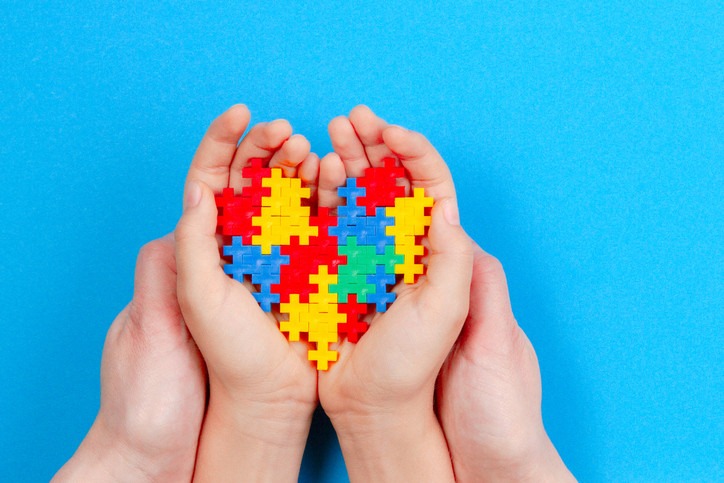
Congenital heart disease and autism: A possible link?
A recent study confirms that people born with congenital heart disease have a significantly greater risk of being diagnosed with an autism spectrum disorder. The research highlights the need for autism screening in children with CHD as early as possible.
Hip bursitis vs. arthritis: How to tell the difference
Fitness for longevity: Which type matters most?
Ministrokes linked to elevated risk of dementia
Continuous glucose monitors benefit people who don't need insulin
CoQ10: Should you take this popular supplement if you're on a statin?
Microplastics: A hidden health threat?
Oat vs. dairy milk: Nutrition, benefits, and downsides
What is tempeh? Benefits, nutrition, and how to use it
Healing after food poisoning
Whole grains may improve several heart risk factors at once
Free Healthbeat Signup
Get the latest in health news delivered to your inbox!
Sign Up
