

Hip bursitis vs. arthritis: How to tell the difference

Fitness for longevity: Which type matters most?

Ministrokes linked to elevated risk of dementia

Continuous glucose monitors benefit people who don't need insulin

CoQ10: Should you take this popular supplement if you're on a statin?

Microplastics: A hidden health threat?

Oat vs. dairy milk: Nutrition, benefits, and downsides

What is tempeh? Benefits, nutrition, and how to use it

Healing after food poisoning

Whole grains may improve several heart risk factors at once
Mind & Mood Archive
Articles

Bisexuality and health: The cost of invisibility
People who identify as bisexual represent a substantial part of the population, yet research focusing on their health lags. Which health problems are more likely to occur in people who are bisexual and what might help to counter them?

Think your child might have a disability or developmental delay? Take these steps
If you think your child may have a disability or problem with development, it’s important to seek help as soon as possible. Talk to your doctor, and seek an evaluation, if needed.

Making young minds resilient to disasters
Trauma from experiencing a natural disaster can have long-term effects on the mental and physical health of children. Supportive parents, teachers, and other adults can help children build resilience.


Recurrent headaches in children: What to know and do
Most children have an occasional headache, but some children get recurrent headaches. These often run in families and may be migraine or tension headaches or might stem from other causes.

If you are happy and you know it… you may live longer
Plenty of research associates optimism with a reduced risk of certain diseases and conditions. Now, a study suggests that optimistic people are also more likely to live longer.

Medications for depression: Which is best?
There are many medications that can be used to treat mood disorders. But finding the right one can be a lengthy process, and the choice can be more complicated than you might imagine. Just because a particular drug worked for a friend doesn't mean it will work for you. Psychiatrists and doctors who prescribe antidepressants choose a particular drug and dosage based on many factors, including the following:
- Diagnosis. Certain drugs are a better choice for specific symptoms and types of depression. For example, an antidepressant that makes you sleepy may be better when insomnia is an issue. The severity of your illness or the presence of anxiety, obsessions, or compulsions may also dictate the choice of one drug over another.
- Side effects. You may first want to choose a drug based on which side effect you most want to avoid. Medications vary in the likelihood they will cause such problems as sexual effects, weight gain, or sedation.
- Age. As you age, your body tends to break down drugs more slowly. Thus, older people may need a lower dose. For children, only a few medications have been studied carefully.
- Health. If you have certain health problems, it's best to avoid certain drugs. For example, your doctor will want to consider factors such as heart disease or neurological illnesses when recommending a drug. For this reason, it's important to discuss medical problems with a primary care doctor or psychiatrist before starting an antidepressant.
- Medications, supplements, and diet. When combined with certain drugs or substances, antidepressants may not work as well, or they may have worrisome or dangerous side effects. For example, combining an SSRI or another antidepressant with the herbal remedy St. John's wort can boost serotonin to dangerous and, in rare cases, fatal levels. Mixing St. John's wort with other drugs—including certain drugs to control HIV infection, cancer medications, and birth control pills—might lower their effectiveness. Women receiving tamoxifen for breast cancer should take an antidepressant that does not interfere with tamoxifen's effectiveness. Eating certain foods, such as aged cheeses and cured meats, while taking an MAOI can cause a dangerous rise in blood pressure.
- Alcohol or drugs. Alcohol and other substances can cause depression and make antidepressants less effective. Doctors often treat alcohol or drug addiction first if they believe either is causing the depression. In many instances, simultaneous treatment for addiction and depression is warranted.
- Personal and family mental health and medication history. If you or a member of your family has had a good response to a medication in the past, that information may guide your choice. Depending on the nature and course of your depression (for example, if your depression is long-lasting or difficult to treat), you may need a higher dose or a combination of drugs. This may also be true if an antidepressant has stopped working for you, which may occur after you've used it for some time or after you've stopped and restarted treatment with it.
- Cost. Since all antidepressants are roughly equivalent in their effectiveness, you won't lose anything by trying a generic version first.
- Your preference. Once you have learned as much as you can about the treatment options, your doctor will want to know what approach makes most sense given your lifestyle, your interests, and your judgment.
To learn more strategies for battling depression, check out Understanding Depression, a Special Health Report from Harvard Medical School.
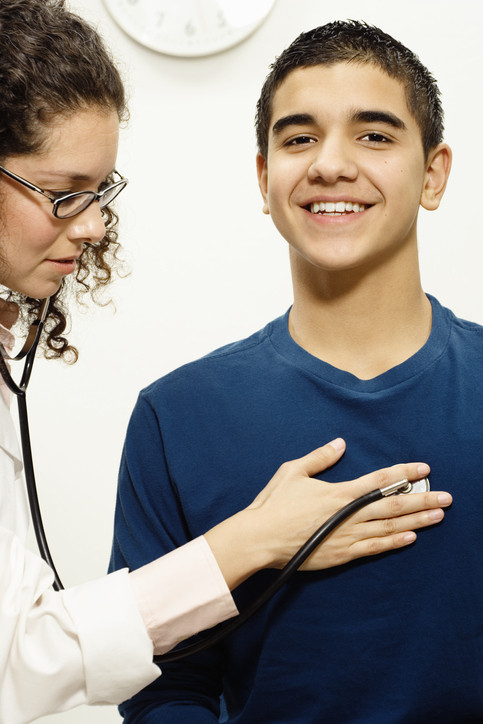
Too old for the pediatrician? Time to switch doctors
Wondering how a teen or young adult can smoothly smoothly transition from seeing a pediatrician to a medical practice that treats adults? Making plans and taking these steps will help.
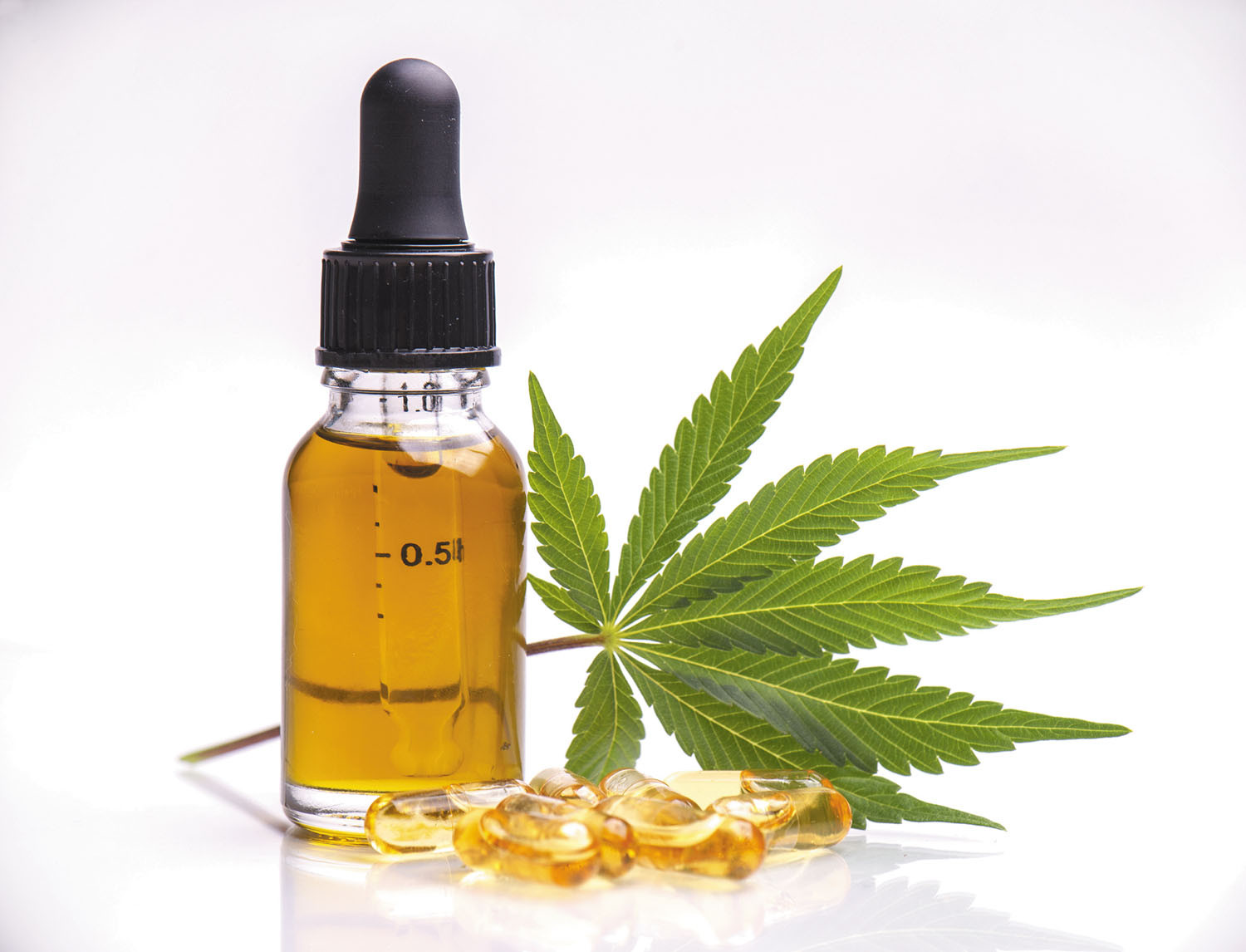
Know the facts about CBD products
The extract from the cannabis plant is the hot new treatment for all kinds of ailments, but don't buy into it just yet.
Cannabidiol (CBD), extracted from the cannabis or hemp plant, has been promoted as the latest miracle cure for everything from aches and pains to anxiety and sleep disorders. There is a good chance you've heard a friend share his or her story about the wonders of CBD.
But is it miraculous — or just a mirage?
"CBD is being used over the counter in a range of ways that is not supported by the science," says Dr. Jordan Tishler, instructor of medicine at Harvard Medical School and president of the Association of Cannabis Specialists. "There is still much we don't know. But aggressive marketing, hype, and word of mouth have made CBD like a drug version of the emperor's new clothes. Everyone says it works, but lab studies suggest that it's really not what people think."

The thinking on brain games
Many older adults enjoy "brain games" like crosswords, chess, and computer games. But can they help improve memory?
If you are like many adults, you enjoy a good crossword, a weekly card game, or even the latest addictive phone app game. You probably even relish the mental boost they provide.
But do these types of brain games help with brain health, especially for protecting against memory loss? Well, it's complicated.
Hip bursitis vs. arthritis: How to tell the difference
Fitness for longevity: Which type matters most?
Ministrokes linked to elevated risk of dementia
Continuous glucose monitors benefit people who don't need insulin
CoQ10: Should you take this popular supplement if you're on a statin?
Microplastics: A hidden health threat?
Oat vs. dairy milk: Nutrition, benefits, and downsides
What is tempeh? Benefits, nutrition, and how to use it
Healing after food poisoning
Whole grains may improve several heart risk factors at once
Free Healthbeat Signup
Get the latest in health news delivered to your inbox!
Sign Up
