

Hip bursitis vs. arthritis: How to tell the difference

Fitness for longevity: Which type matters most?

Ministrokes linked to elevated risk of dementia

Continuous glucose monitors benefit people who don't need insulin

CoQ10: Should you take this popular supplement if you're on a statin?

Microplastics: A hidden health threat?

Oat vs. dairy milk: Nutrition, benefits, and downsides

What is tempeh? Benefits, nutrition, and how to use it

Healing after food poisoning

Whole grains may improve several heart risk factors at once
Mind & Mood Archive
Articles

The head-heart connection: Mental health and heart disease
Common mental health disorders are linked to a higher risk of heart attack and stroke. Learn to spot the warning signs.
Image: © imtmphoto/Getty Images
Heart disease and mental health issues are both common. So it's not surprising that these problems often occur together. But are people with depression or anxiety more prone to developing cardiovascular disease?
Teasing out the answer to that question has proved tricky. Some factors known to contribute to a higher risk of heart disease (for example, an unhealthy diet, lack of exercise, and smoking) are also common in people with mental health issues. Now, new research that adjusts for those potentially confounding factors suggests the answer is yes.

Giving babies and toddlers antibiotics can increase the risk of obesity
Antibiotics are crucial tools in fighting illnesses, but over-reliance on them can have serious consequences. A new study found that babies who were given antibiotics in their first two years were significantly more likely to become obese.

What's good for the heart is good for the mind
The number of people with dementia is expected to climb to 50 million in the coming decades, but understanding the connection between vascular health and cognitive health allows people the opportunity to adopt heart-healthy habits that can also reduce their risk of dementia.




Is it safe for women to drink alcohol?
Ask the doctor
Image: © DragonImages/Getty Images
Q. The Harvard Health Letter has often said that it is generally healthy for women to have one alcoholic drink per day. Yet I hear a recent study showed no benefit. What's the truth?
A. Before answering your question, let's define "one drink": it's 12 ounces of beer, 5 ounces of wine, or 1.5 ounces of hard liquor. And it means having one drink each day of the week, not having seven drinks on Saturday night, sleeping it off Sunday, and begging off until next Saturday night. Now, despite the recent study, we stick with what we've said, which reflects the research of outstanding nutrition scientists at Harvard and elsewhere.

Is that brain fog really adult ADHD?
Sometimes attention deficit hyperactivity disorder is behind issues with memory and task completion.
Image: © monkeybusinessimages/Getty Images
You may be concerned about your memory if you notice that you're struggling to keep track of items you use each day, getting sidetracked when doing chores and other tasks, and tuning out during conversations. But it could be that you have attention deficit hyperactivity disorder (ADHD), a brain wiring difference once recognized only in children. In adults, ADHD often produces problems with memory and attention rather than hyperactivity.
"Two to three percent of people in their 60s or older have traits of ADHD that are impairing," says Dr. Craig Surman, a neuropsychiatrist and ADHD researcher at Harvard-affiliated Massachusetts General Hospital and co-author of the Harvard Health Publishing book FASTMINDS: How to Thrive If You Have ADHD (or think you might).

Spectator sports: How a high-stakes game may affect your heart
Research we're watching
Image: © FatCamera/Getty Images
Stressful events — even positive ones, such as watching an exciting sporting match — can affect your heart. During World Cup soccer and the National Football League's Super Bowl, rates of heart attacks and heart rhythm problems (arrhythmias) increase, both among sports fans and within the local population. A study published online August 20 by the American Journal of Cardiology takes a closer look at this risk.
Researchers examined data from 133 people with implanted cardiac devices in St. Louis, Mo., during two 10-day periods. The first was in early September of 2011 (the control period). The second was six weeks later during the World Series, when the St. Louis Cardinals played a series of dramatic games against the Texas Rangers.
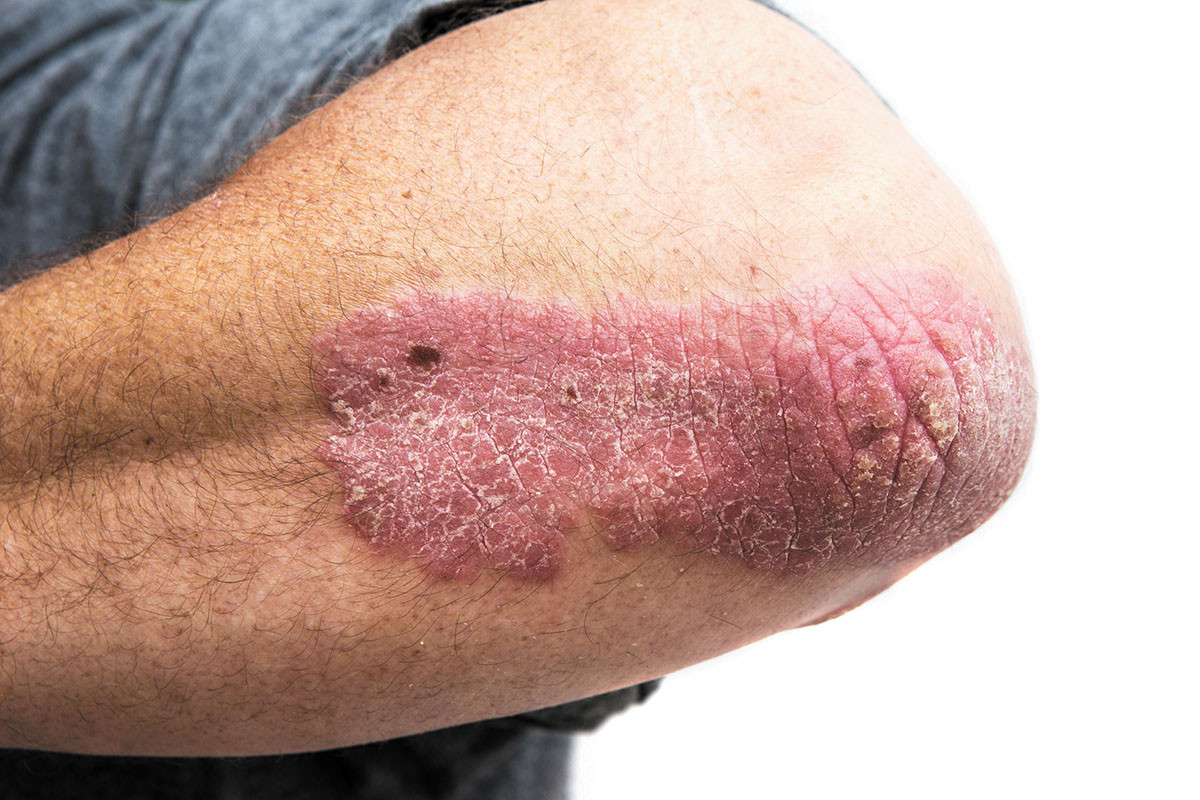
A deeper look at psoriasis
There are ways to shorten flare-ups and, in some people, prevent them from recurring.
Image: © JodiJacobson/Getty Images
Psoriasis is a big star on TV drug ads, but this autoimmune skin disease is something most people try to keep well hidden.
"Psoriasis is among the most common skin conditions, affecting about 2% of the U.S. population, and while the condition doesn't affect everyone the same way, the approach to treatment and prevention is often similar," says Dr. Gideon Smith, an assistant professor of dermatology at Harvard-affiliated Massachusetts General Hospital.
Hip bursitis vs. arthritis: How to tell the difference
Fitness for longevity: Which type matters most?
Ministrokes linked to elevated risk of dementia
Continuous glucose monitors benefit people who don't need insulin
CoQ10: Should you take this popular supplement if you're on a statin?
Microplastics: A hidden health threat?
Oat vs. dairy milk: Nutrition, benefits, and downsides
What is tempeh? Benefits, nutrition, and how to use it
Healing after food poisoning
Whole grains may improve several heart risk factors at once
Free Healthbeat Signup
Get the latest in health news delivered to your inbox!
Sign Up
