

Hip bursitis vs. arthritis: How to tell the difference

Fitness for longevity: Which type matters most?

Ministrokes linked to elevated risk of dementia

Continuous glucose monitors benefit people who don't need insulin

CoQ10: Should you take this popular supplement if you're on a statin?

Microplastics: A hidden health threat?

Oat vs. dairy milk: Nutrition, benefits, and downsides

What is tempeh? Benefits, nutrition, and how to use it

Healing after food poisoning

Whole grains may improve several heart risk factors at once
Osteoporosis Archive
Articles

Can the flu increase my heart attack risk?
On call
Q. There has been a lot of talk about the severity of this flu season, and I recently heard that influenza also can trigger a heart attack. Should I worry?
A. Influenza is responsible for about 10,000 to 20,000 annual deaths, mostly from pneumonia or internal organ failure. In other situations, influenza infection strains a person's health, which can worsen underlying conditions, such as heart disease.

New drug shows promise for preventing migraines
In the journals
Image: © Wavebreakmedia/Getty Images
Migraine sufferers may be able to prevent future attacks with a new medication called galcanezumab, suggests a study published online Dec. 18, 2017, by JAMA Neurology. Currently, there are five FDA-approved drugs for migraines, but none were designed specifically for treating attacks or addressing the mechanisms at work.
In comparison, galcanezumab works to suppress the activity of calcitonin gene–related peptide (CGRP) in people. That molecule is believed to play an integral role in migraines and cluster headaches.

Smart joint strategies for keeping you moving well
Understanding risk and modifying your activities can cushion your joints from damage.
Image: © FatCamera/Getty Images
Joints are a little bit like couch cushions. Over time, the padding between your bones, called cartilage, gets worn out and flattens down — a condition known as osteoarthritis. Unfortunately, dealing with worn joints is not as simple as fixing or replacing a couch. And whether your joints wear out may not be entirely in your control.
"Unfortunately, a lot of your risk depends on your genes," says Dr. Scott Martin, an orthopedic surgeon and associate professor of orthopedic surgery at Harvard Medical School. "If you have a history of arthritis in your family, you may get arthritis in your lifetime. That's one factor you can't control." Dr. Martin is the faculty editor for the Harvard Special Health Report Knees and Hips (www.health.harvard.edu/knees).

Why do I “almost” have an underactive thyroid?
Ask the doctor
Image: © magicmine/Getty Images
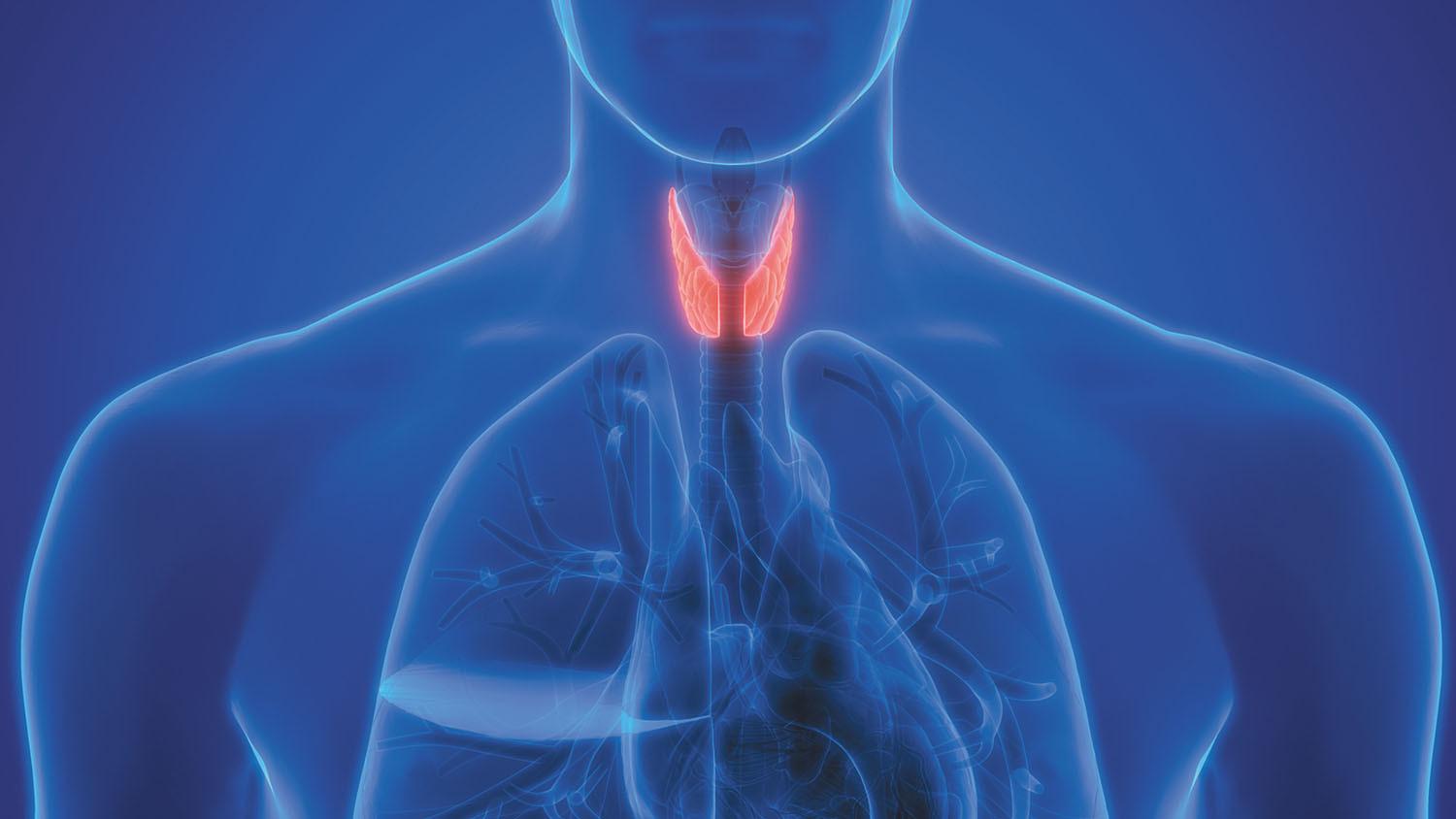
Q. My doctor said I "almost" have an underactive thyroid, which puzzled me. Then she said I might benefit from treatment, which puzzled me more. How can you "almost" have a disease, and how can treatment be useful if you don't have the disease?
A. I can see how that might have been confusing. In fairness, it's a confusing situation, even for doctors. Let's take this in two parts. First, what's an "underactive thyroid"? The thyroid gland in our neck makes a hormone, called thyroid hormone, that travels throughout the body and affects every cell. If it is making the right amount of the hormone — if the blood levels are normal — then there's no problem. If it's making too much (an overactive thyroid), or if it's making too little (an underactive thyroid), those are problems that require treatment.
Is that dry skin really something more serious?
Symptoms of dry skin, eczema, contact dermatitis, and psoriasis can overlap.
Image: © Sasha_Suzi/Thinkstock
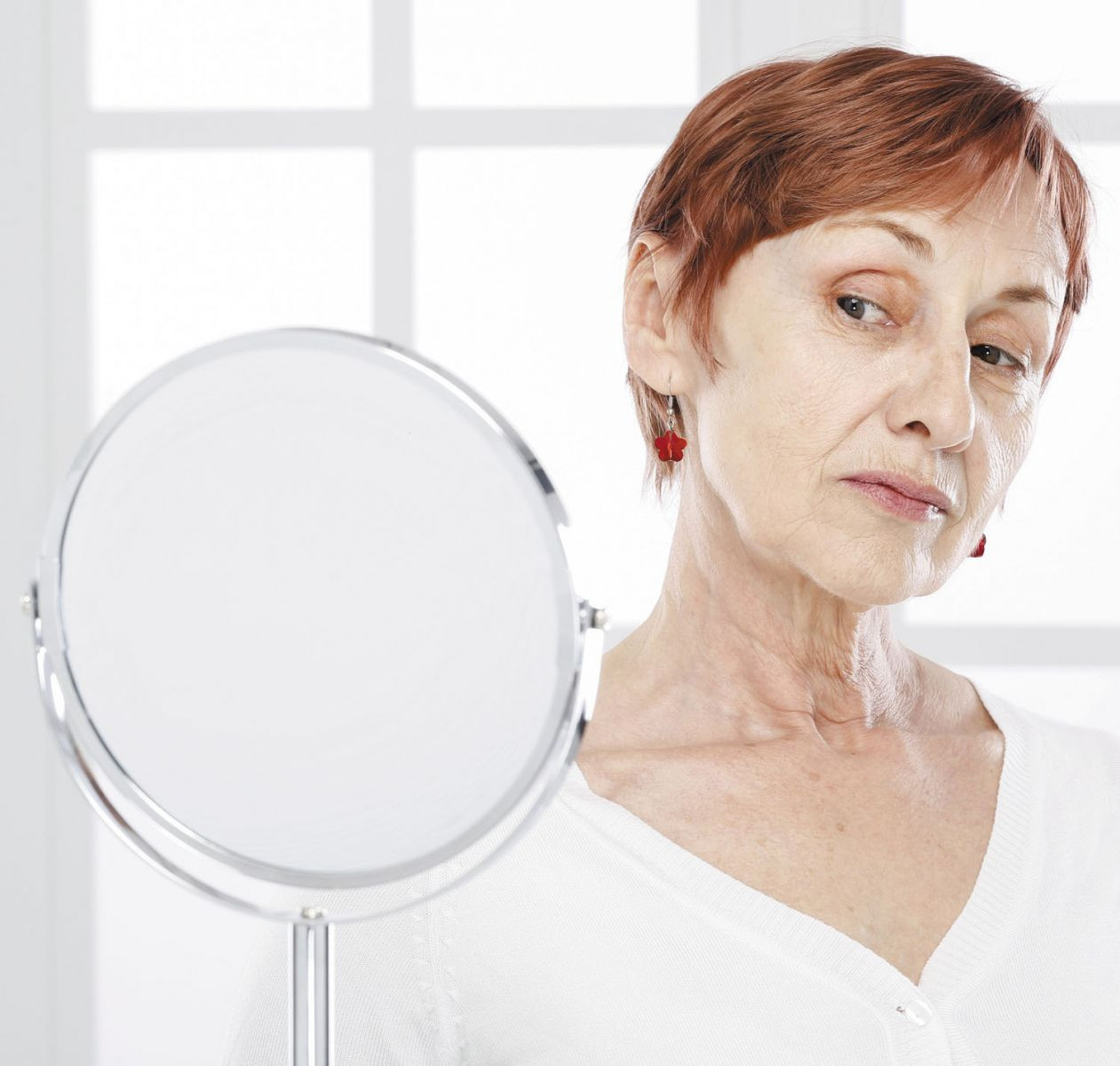
It's easy to overlook dry skin during the winter, when indoor heating and dry air pull moisture from the skin. But sometimes it's tough to tell if dry skin is a consequence of the season or a sign of a serious condition. "I see a fair number of people who come in with psoriasis or eczema and had just assumed it was dry skin," says Dr. Jason Frangos, a dermatologist at Harvard-affiliated Brigham and Women's Hospital.
Why does skin dry out?
It's not just winter conditions that lead to dry skin; it's also a change in our skin's top layer, or epidermis. This layer is normally thick with naturally occurring fats and oils that act as a barrier to help retain moisture and prevent irritants from entering the skin.

Sexually transmitted disease? At my age?
There's an upswing in cases of chlamydia, gonorrhea, and syphilis in the United States, and it includes older adults.
For as long as humans have engaged in sex, there have been sexually transmitted diseases (STDs). The term STD (which has replaced the older "venereal disease") generally refers to infections that can be transmitted by vaginal, anal, or oral sex. Among them are genital herpes, human papillomavirus, chlamydia, gonorrhea, syphilis, and human immunodeficiency virus (HIV). The CDC estimates there are about 20 million new STD cases every year, but only a fraction of them get reported.
STDs are on the rise in people of all ages. There were more than two million reported cases of chlamydia, gonorrhea, and syphilis in 2016. While the vast majority occurred in teenagers and young adults, there also were significant increases in cases among middle-aged and older adults (see "STDs reported among older adults").
Antidepressants not always effective in people with chronic disease
In the journals
Some antidepressants may not offer much relief for people who battle both depression and a chronic disease, according to research in the Nov. 21, 2017, Journal of the American Medical Association.
Nearly half of Americans live with a chronic condition, according to the CDC, and many also suffer from depression, including more than half of Parkinson's disease patients, 41% of cancer patients, and more than 25% of those with diabetes.
Hip bursitis vs. arthritis: How to tell the difference
Fitness for longevity: Which type matters most?
Ministrokes linked to elevated risk of dementia
Continuous glucose monitors benefit people who don't need insulin
CoQ10: Should you take this popular supplement if you're on a statin?
Microplastics: A hidden health threat?
Oat vs. dairy milk: Nutrition, benefits, and downsides
What is tempeh? Benefits, nutrition, and how to use it
Healing after food poisoning
Whole grains may improve several heart risk factors at once
Free Healthbeat Signup
Get the latest in health news delivered to your inbox!
Sign Up
