

Hip bursitis vs. arthritis: How to tell the difference

Fitness for longevity: Which type matters most?

Ministrokes linked to elevated risk of dementia

Continuous glucose monitors benefit people who don't need insulin

CoQ10: Should you take this popular supplement if you're on a statin?

Microplastics: A hidden health threat?

Oat vs. dairy milk: Nutrition, benefits, and downsides

What is tempeh? Benefits, nutrition, and how to use it

Healing after food poisoning

Whole grains may improve several heart risk factors at once
Osteoporosis Archive
Articles
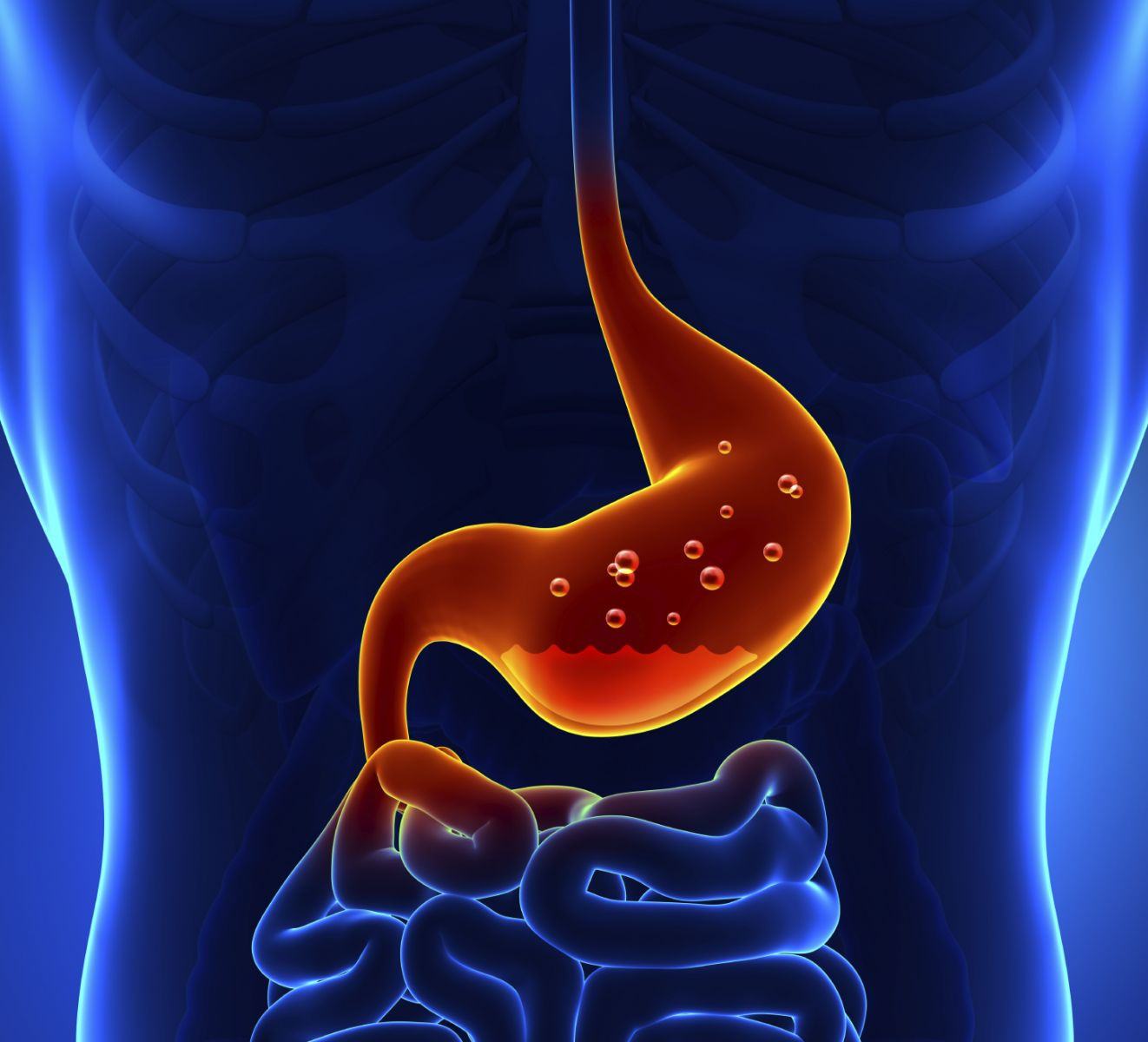
7 ways to get heartburn relief
Functional dyspepsia is no fun. Maybe you've just eaten or finished a meal an hour or so ago — and now your stomach just doesn't "feel right." You feel bloated and uncomfortable. Or maybe it's more of a burning sensation. Maybe you feel queasy, or even throw up. You might say you have an "upset stomach" or indigestion. If there is no known medical cause for your symptoms, your doctor would call it "dyspepsia" or "bad digestion."
Functional dyspepsia
Indigestion is real. The medical term for persistent upper abdominal pain or discomfort without an identifiable medical cause is functional dyspepsia. The symptoms can come and go at any time, but often eating is the trigger. Sometimes the discomfort begins during the meal; other times, about half an hour later.
If you suffer from functional dyspepsia, you're not alone. Roughly 25% of the population is affected, and it hits men and women equally. It's responsible for a significant percentage of visits to primary care doctors, in part because many people worry they might have an ulcer. While it's frustrating that the cause of functional dyspepsia is unknown, it's even more frustrating that there is no surefire cure.
Heartburn and indigestion relief
The good news is that there are simple things you can try to help relieve your functional dyspepsia symptoms:
- Avoid foods that trigger your symptoms.
- Eat small portions and don't overeat; try eating smaller, more frequent meals throughout the day, and be sure to chew food slowly and completely.
- Avoid activities that result in swallowing excess air, such as smoking, eating quickly, chewing gum, and drinking carbonated beverages.
- Reduce your stress. Try relaxation therapies, cognitive behavioral therapy, or exercise. An aerobic workout 3-5 times per week can help, but don't exercise right after eating.
- Get enough rest.
- Don't lie down within two hours of eating.
- Keep your weight under control.
For more on diagnosing and treating indigestion, read The Sensitive Gut, a Special Health Report from Harvard Medical School.

4 ways to put off joint replacement
A desire to stay active and a natural aversion to pain send nearly 800,000 Americans to orthopedic surgeons each year for a hip or knee replacement. And we're seeking these operations much earlier in life. According to Dr. Scott Martin, associate professor of orthopedic surgery at Harvard Medical School, this isn't a healthy trend. "A lot of joint replacements are being done because they can be," says Dr. Martin.
Every surgical procedure carries the risk of complications — or even death. Because the average joint that's replaced only lasts 10 to 15 years, having the procedure done at age 50 instead of 70 means there's a good chance you'll need a second procedure when you're older and at higher risk for complications.

Exercises for pain free hands
Your hands perform countless small and large tasks each day—from pouring coffee, brushing teeth, and buttoning shirts to raking leaves or kneading bread.
But aching hands can transform the simplest task into a painful ordeal. Hands can hurt for a variety of reasons, from the mechanical to the neurological. Arthritis—which affects one in five American adults—and other persistent joint problems are by far the most common cause of hand pain and disability.
FDA approves first migraine prevention drug
News briefs
Encouraging news for people who suffer with migraines: in May, the FDA approved erenumab (Aimovig), the first medication aimed at preventing these debilitating headaches. Current medications to treat migraines were actually designed to control other conditions, such as seizures or an irregular heartbeat; their side effects (like sexual dysfunction and fuzzy thinking) often cause people to skip treatment. Erenumab offers a new approach. Injected once a month, it works by blocking a molecule (calcitonin gene-related peptide) involved in migraine attacks, and compared with other drugs, it appears to have fewer side effects (primarily constipation and injection site reactions). "This drug is for people who have more than four migraines per month, but it won't take migraines away entirely," says Dr. Gad Marshall, a neurologist at Harvard-affiliated Brigham and Women's Hospital. Clinical trials suggest it can reduce frequency by one or two migraines per month, or even more in some people. "For people with frequent debilitating migraines it could be a game changer," says Dr. Lee Schwamm, a neurologist at Harvard-affiliated Massachusetts General Hospital. "But erenumab is expensive, and it will take time to find out if it's effective and safe over the long term."

An eye on glaucoma drugs
Two recent drugs have opened new treatment opportunities for this common eye disease.
Glaucoma is a leading cause of blindness in people over age 60, and it's estimated that the number of new cases will more than double over the next few decades. "There is no cure for glaucoma once it appears, so treating it at its earliest stages can help save your vision," says Dr. David Solá-Del Valle, an ophthalmologist with Harvard-affiliated Massachusetts Eye and Ear.
Once diagnosed, glaucoma is treated with eye drops to reduce pressure inside the eye by lowering the amount of fluid or improving fluid drainage. They can keep glaucoma from getting worse and hopefully avoid the need for surgery to correct this drainage problem.

Stay safe from superbugs
Understanding superbugs can help you avoid them.
Image: © Manjurul/Getty Images
It used to be that if you got an infection, you could pop an antibiotic pill and rest assured that it could help you fend off your bacterial attacker. But those old tried-and-true pills may not be as effective as they once were, thanks to a rising number of new types of bacteria often referred to as superbugs.
"'Superbug' is essentially a slang term developed by the press that refers to highly antibiotic-resistant bacteria that can cause human infections," says Dr. David Hooper, an infectious disease specialist and professor of medicine at Harvard Medical School.

Hotel pools and hot tubs may bring health risks
Research we're watching
Image: © nd3000/Getty Images
You may want to take precautions if you're planning on swimming or using a hot tub at your hotel on your next vacation. Data released May 18 in the CDC's Morbidity and Mortality Weekly Report shows that these attractions are hot spots for waterborne diseases. In fact, one-third of waterborne disease outbreaks between 2000 and 2014 were traced to hotel pools or hot tubs.
The three main culprits causing infections in swimmers and hot tub users are Cryptosporidium, Pseudomonas, and Legionella. More than half of the outbreaks were caused by Cryptosporidium parasites, which are typically spread when someone ingests water contaminated by a sick swimmer with diarrhea. Legionella and Pseudomonas bacteria, which caused 16% and 13% of outbreaks respectively, cause pneumonia, flu-like illness, swimmer's ear, or a rash. Any one of these conditions can quickly drain the fun from any trip.

What is lupus?
Ask the doctor
Image: © DragonImages/Getty Images
Q. My daughter has just been diagnosed with lupus. What is it, and what can be done to help?
A. A healthy, young patient of mine once asked me what the chances were that she might one day develop a "terrible disease." When I asked her what she meant by "terrible disease," she surprised me: she didn't say a disease that could be fatal, but rather a disease that could attack every part of her body. By that definition, systemic lupus erythematosus (lupus for short) is, indeed, a terrible disease.

Higher vitamin D levels linked to lower risk for diabetes
News briefs
Vitamin D is an essential vitamin; low levels are associated with poor bone and muscle health and other chronic conditions, such as heart disease and cancer. Now, a study published online April 19, 2018, by PLOS One has tied higher vitamin D levels to a lower diabetes risk. Researchers followed 900 older adults (average age 74) for 12 years, checking their vitamin D and blood sugar levels during clinic visits. Compared with people whose blood levels of vitamin D were below 30 nanograms per milliliter (ng/ml), people with vitamin D levels of 30 ng/ml or more had one-third the risk for developing diabetes, and people whose D levels were 50 ng/ml or more had one-fifth the risk. This study does not prove that taking vitamin D supplements to raise blood levels of vitamin D would reduce the risk of diabetes, although that is possible. The Institute of Medicine maintains that a blood level of 20 ng/ml or higher is sufficient for 97% of the population. Other authorities think that levels higher than 20 ng/ml are better for health. Large studies are under way to help resolve these differences of opinion.
Image: © cegli | GettyImages

Tips to cope when you’re juggling several chronic health issues
Be proactive by learning about and tracking your conditions and medications, and by speaking up when you have concerns.
Image: © PeopleImages/Getty Images
We don't want our golden years to be spent juggling a long list of health issues. But that's the reality for most older adults in the United States.
The CDC reports that 75% of Americans ages 65 or older have several chronic health problems. And a 2013 analysis of Medicare claims published online by Preventing Chronic Disease found that 68% of beneficiaries had two or more chronic conditions and 36% had at least four.
Hip bursitis vs. arthritis: How to tell the difference
Fitness for longevity: Which type matters most?
Ministrokes linked to elevated risk of dementia
Continuous glucose monitors benefit people who don't need insulin
CoQ10: Should you take this popular supplement if you're on a statin?
Microplastics: A hidden health threat?
Oat vs. dairy milk: Nutrition, benefits, and downsides
What is tempeh? Benefits, nutrition, and how to use it
Healing after food poisoning
Whole grains may improve several heart risk factors at once
Free Healthbeat Signup
Get the latest in health news delivered to your inbox!
Sign Up
