

Hip bursitis vs. arthritis: How to tell the difference

Fitness for longevity: Which type matters most?

Ministrokes linked to elevated risk of dementia

Continuous glucose monitors benefit people who don't need insulin

CoQ10: Should you take this popular supplement if you're on a statin?

Microplastics: A hidden health threat?

Oat vs. dairy milk: Nutrition, benefits, and downsides

What is tempeh? Benefits, nutrition, and how to use it

Healing after food poisoning

Whole grains may improve several heart risk factors at once
Osteoporosis Archive
Articles

Harvard study: Shingles linked to a spike in risks for heart attack and stroke
A 2022 observational study that included more than 200,000 people found that those who'd had shingles at some point had a 30% higher long-term risk for a major cardiovascular event, compared with people who didn't have shingles.

Pondering a new knee? Try this as you gear up for the decision
People with knee arthritis who don't feel ready for joint replacement can take a number of steps as they ponder the possibility. These include getting knee injections or wearing a brace to reduce pain, modifying activities (such as exercise) that aggravate knee pain, losing weight to take pressure off the knee joint, exercising more to help with weight control, seeking physical therapy, getting underlying health conditions under control, doing research about knee replacement, and talking to an orthopedic surgeon.

Why you keep waking up to go to the bathroom
Making one or more trips to the bathroom every night is the defining characteristic of a medical condition called nocturia. It can be caused by aging, lifestyle habits, or underlying conditions such as an overactive bladder or (in men) an enlarged prostate. Treating nocturia starts with lifestyle changes such as avoiding fluids several hours before bedtime, eliminating caffeinated drinks 10 hours before bedtime, and limiting evening alcohol intake. Medications, pelvic floor exercises, injections of botulinum toxin (Botox), or nerve stimulation treatments may also help.

Over-the-counter hearing aids: What we know so far
Over-the-counter hearing aids are now available in stores and online. They're regulated by the FDA, they don't require a prescription from a doctor, and they're cheaper than prescription hearing aids. But over-the-counter devices are not right for everyone. They're meant only for adults with perceived mild to moderate hearing loss. Before buying a pair, a person should do some homework to find devices with the right fit and features, including a trial period that allows the buyer to return them if they aren't working out.

Spot the warning signs of 4 dangerous conditions
Sometimes people miss the symptoms of life-threatening conditions such as a heart attack, a stroke, atrial fibrillation, or a pulmonary embolism. To detect the warning signs, people should pay attention to sudden, new symptoms, especially if they include shortness of breath, chest pain, heart palpitations, lightheadedness, confusion, weakness, fatigue, fainting, or a terrible headache. Someone experiencing any of these symptoms should call 911. If symptoms aren't sudden or intense, and people aren't sure if they warrant emergency help, they should call their doctor.

Seeing a surgeon?
A pre-surgery consultation with the surgeon can feel overwhelming. Many people are anxious and have questions about what's to come. Setting the right expectations on both sides can ease anxiety and help define a successful outcome.

What happens when a drug goes viral?
| After celebrities touted its weight loss benefits, high demand put the diabetes medication Ozempic in short supply. Learn more about what this means for people with diabetes. |

A mindful way to help manage type 2 diabetes?
Lifestyle changes like regular exercise, a healthy diet, and sufficient sleep are cornerstones of self-care for people with type 2 diabetes. But can mind-body practices help people manage or even treat type 2 diabetes? An analysis of multiple studies suggests they might.

Take arms against perplexing pain
Pain in the shoulder, elbow, or wrist without obvious injury is common. Possible causes include arthritis, bursitis, frozen shoulder, rotator cuff tear, tendinitis, or nerve compression in the carpal tunnel or the cubital tunnel. Home remedies include rest, ice, compression, or elevation; over-the-counter anti-inflammatory pain relievers; and devices such as a splint or brace. Other treatments include physical therapy or steroid injections. Surgery is usually a last resort.
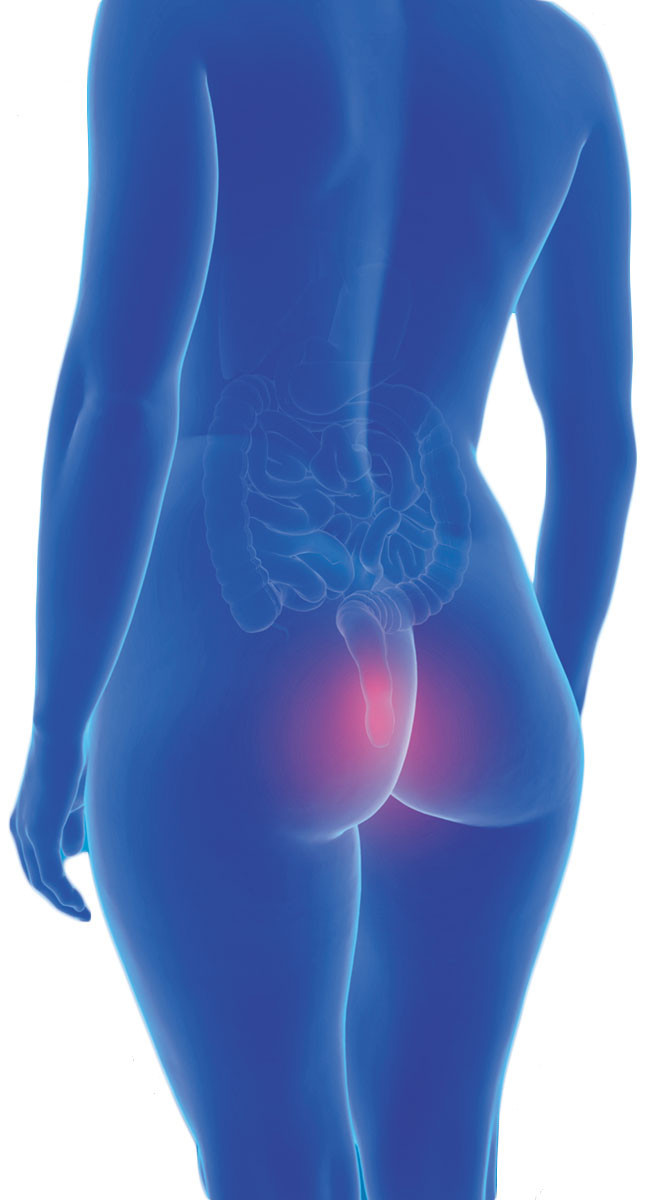
A pain in the rear
Everyone is born with the blood vessels that underlie hemorrhoids, but they may become problematic when they enlarge. Half of people have symptoms by age 50 that include pain, itching, swelling, and bleeding. Home remedies such as pain relievers, topical creams and ointments, sitz baths, and cold compresses don't eradicate hemorrhoids. In-office procedures can cut off blood supply to internal hemorrhoids, allowing them to fall off. Surgery is the only definitive treatment option for external hemorrhoids visible at the anus.
Hip bursitis vs. arthritis: How to tell the difference
Fitness for longevity: Which type matters most?
Ministrokes linked to elevated risk of dementia
Continuous glucose monitors benefit people who don't need insulin
CoQ10: Should you take this popular supplement if you're on a statin?
Microplastics: A hidden health threat?
Oat vs. dairy milk: Nutrition, benefits, and downsides
What is tempeh? Benefits, nutrition, and how to use it
Healing after food poisoning
Whole grains may improve several heart risk factors at once
Free Healthbeat Signup
Get the latest in health news delivered to your inbox!
Sign Up
