

Hip bursitis vs. arthritis: How to tell the difference

Fitness for longevity: Which type matters most?

Ministrokes linked to elevated risk of dementia

Continuous glucose monitors benefit people who don't need insulin

CoQ10: Should you take this popular supplement if you're on a statin?

Microplastics: A hidden health threat?

Oat vs. dairy milk: Nutrition, benefits, and downsides

What is tempeh? Benefits, nutrition, and how to use it

Healing after food poisoning

Whole grains may improve several heart risk factors at once
Osteoporosis Archive
Articles

Sniffing out sinus-related problems
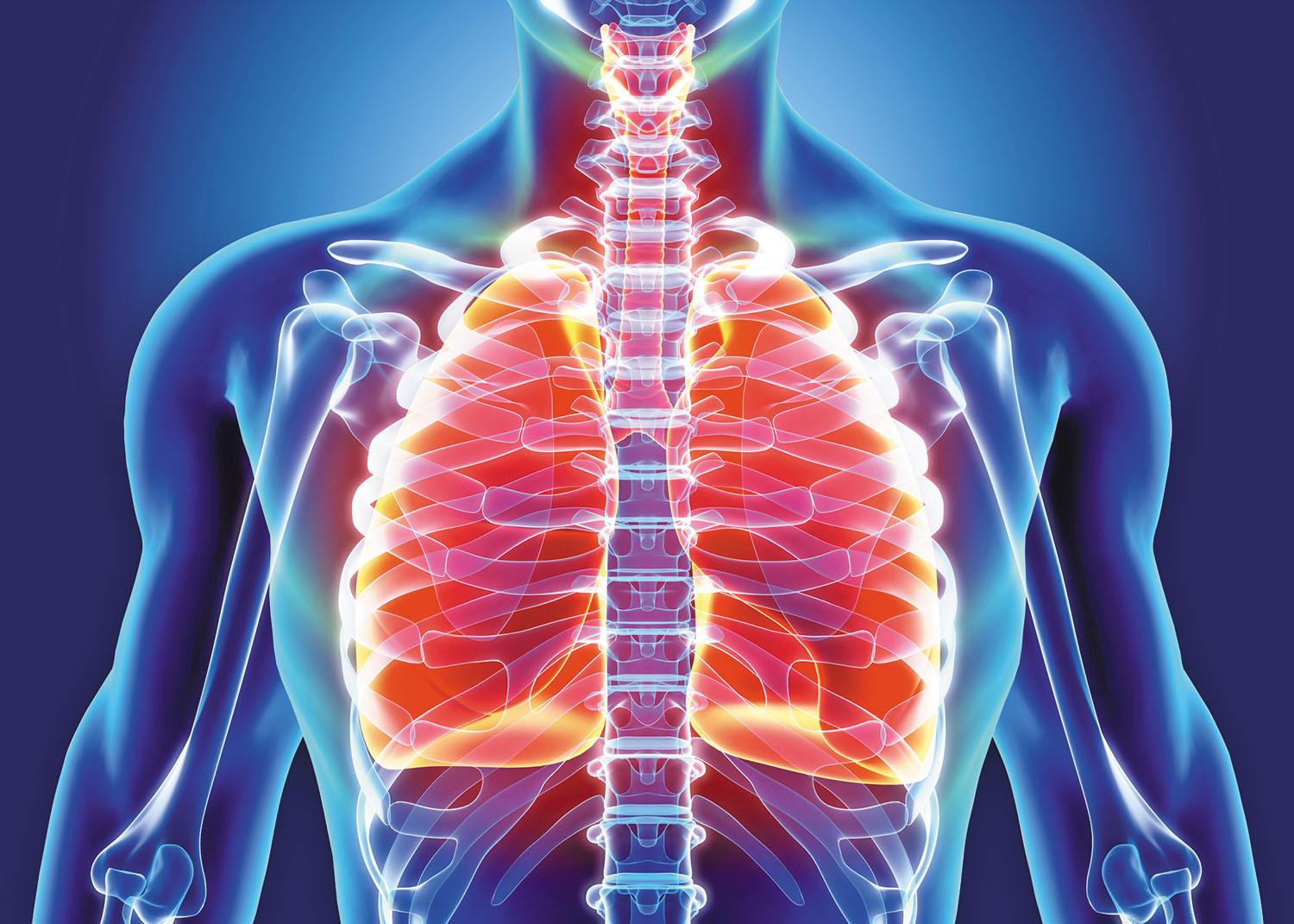
Sinus problems are common, especially those caused by allergies, which affect some 40% of American adults. They often manifest as stuffiness, congestion, or a reduced sense of smell. Sinus problems most commonly fall into three categories: acute viral infections, allergy triggered inflammation, and chronic sinus infections.

Vitamin D deficiency linked to loss of muscle strength
A 2022 study found that vitamin D deficiency significantly increases the likelihood of age-related loss of muscle strength, known as dynapenia, a major risk factor for falls.

Dementia and frailty increase odds of dying after major surgery
A 2022 study found that among adults 65 and older who undergo major surgery, nearly one in seven dies within a year. Dementia or frailty greatly increase the odds of postoperative death.

IBS in the crosshairs
Irritable bowel syndrome (IBS) affects up to 45 million Americans, two-thirds of whom are women. IBS is categorized into three types depending on which symptoms dominate: diarrhea, constipation, or a mix of both. Possible contributors include changes in gut bacteria, faulty nerve signals between brain and intestine, pelvic floor problems, and genetics. Newer treatment approaches target pathways involved in symptoms. Doctors are also repurposing older drugs for IBS, including certain antidepressants and the antibiotic rifaximin (Xifaxan).

Prediabetes: A window of opportunity
About 96 million Americans have prediabetes, defined by elevated blood sugar levels that are not high enough to qualify as diabetes. Risk factors include overweight or obesity, family history, and inactivity. People with prediabetes may have more infections and frequent urination or blurry vision after big meals. Lifestyle changes such as maintaining a healthy weight, exercising, eating healthy foods, drinking alcohol moderately, and not smoking may prevent prediabetes from progressing to diabetes.

Battling a "brain storm"
Migraines, which affect nearly 40 million Americans, are likely vastly underdiagnosed and undertreated. Women are three times more likely to get migraines than men, and hormones appear to be a major trigger. Other triggers include stress, disrupted sleep patterns, hunger or dehydration, certain foods or medications, and bright lights or loud noise. Newer medications are more targeted and pose fewer side effects. They include CGRP (calcitonin gene-related peptide) blockers, more effective nasal sprays, and green light therapy.

Why do my ears feel clogged?
Ears can feel clogged due to impacted earwax, swollen or blocked eustachian tubes, or hearing loss. If the sensation persists, a doctor should examine a person's ears and hearing.
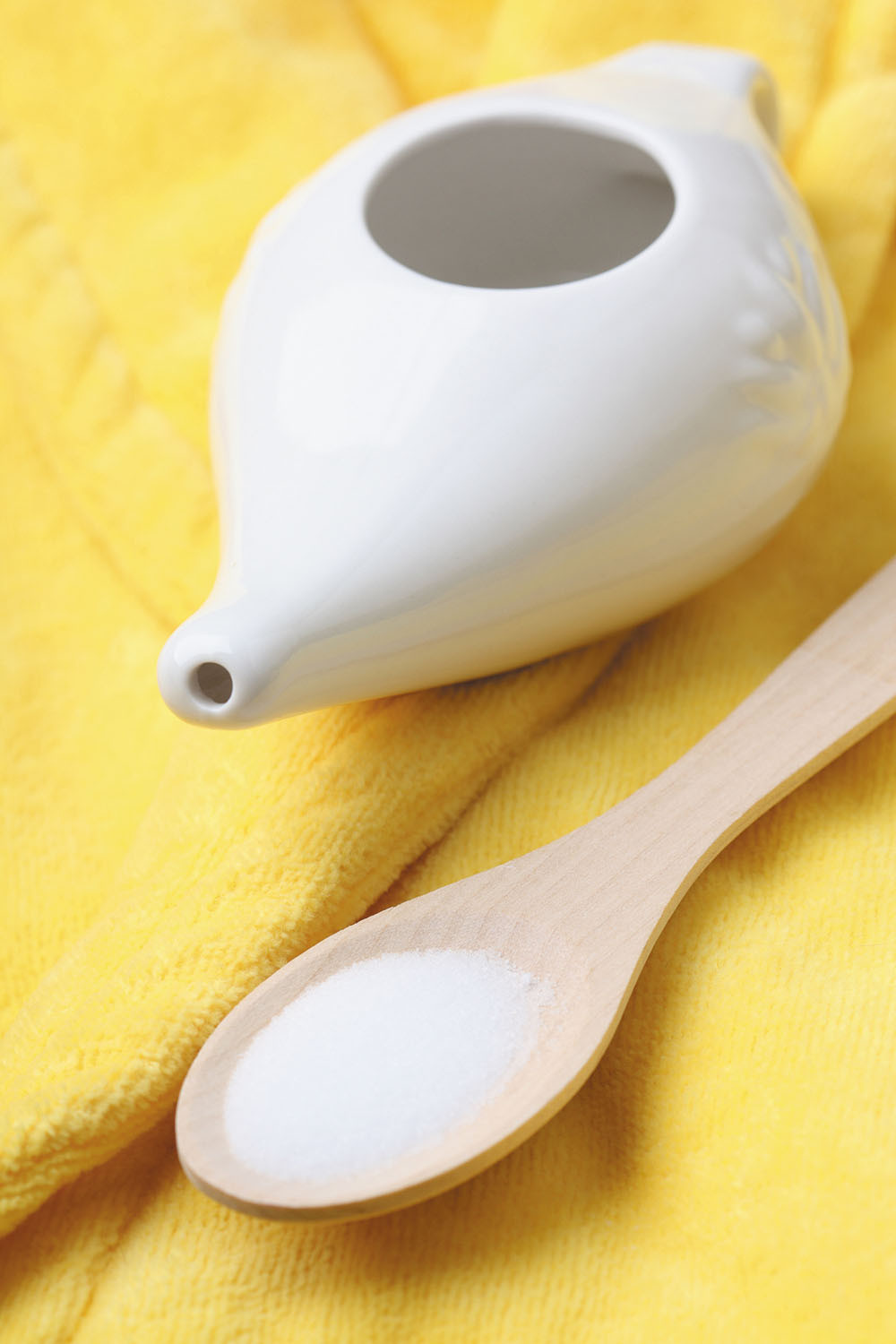
Try this: The nose knows about nasal rinses
Rinsing your nasal cavity with a saline solution using a neti pot or small ball syringe can be a simple and inexpensive way to find relief from common sinus problems.

Exercising with a flare-up of knee arthritis
Staying active when knee osteoarthritis flares helps the joint stay flexible. But activity should be modified to take pressure off the knee. That could mean walking instead of running, or playing pickleball instead of tennis. Other activities that are easy on the joint include riding a stationary bike, using an elliptical machine, practicing yoga, swimming, walking pain-free distances on flat terrain, doing upper body strength training, or core strengthening. Warming up before activity helps to loosen stiff knee joints.
Hip bursitis vs. arthritis: How to tell the difference
Fitness for longevity: Which type matters most?
Ministrokes linked to elevated risk of dementia
Continuous glucose monitors benefit people who don't need insulin
CoQ10: Should you take this popular supplement if you're on a statin?
Microplastics: A hidden health threat?
Oat vs. dairy milk: Nutrition, benefits, and downsides
What is tempeh? Benefits, nutrition, and how to use it
Healing after food poisoning
Whole grains may improve several heart risk factors at once
Free Healthbeat Signup
Get the latest in health news delivered to your inbox!
Sign Up
