

Hip bursitis vs. arthritis: How to tell the difference

Fitness for longevity: Which type matters most?

Ministrokes linked to elevated risk of dementia

Continuous glucose monitors benefit people who don't need insulin

CoQ10: Should you take this popular supplement if you're on a statin?

Microplastics: A hidden health threat?

Oat vs. dairy milk: Nutrition, benefits, and downsides

What is tempeh? Benefits, nutrition, and how to use it

Healing after food poisoning

Whole grains may improve several heart risk factors at once
Osteoporosis Archive
Articles

Why do my legs swell at the end of the day?
On call
Q. I would occasionally get some swelling in my legs. But now I notice it by late afternoon every day. I otherwise feel fine. Should I be worried?
A. It sounds like you have edema, swelling in your legs due to fluid in the soft tissues beneath your skin. This usually occurs when pressure from the fluid inside your veins is high, which forces water out of the blood vessels and into the surrounding tissues.

Pregnant and worried about the new coronavirus?

What could cause low blood pressure?
On call
Q. My blood pressure stays low. Sometimes it drops so low, it causes dizziness and weakness. What causes this?
A. Of the possible causes of low blood pressure, two are at the top of my list. First, I would review your medications. Drugs prescribed to treat high blood pressure and heart disease are the ones that most often cause this side effect. Reducing the dose with your doctor's approval may be all you need.

Should I worry about a sudden swollen tongue?
On call
Q. What would cause my tongue to suddenly swell? Could this be a possible side effect of medication, or something else?
A. There are many reasons for a swollen tongue. Indeed, a reaction to a medication is one of the more common causes. For example, a well-known side effect of ACE inhibitors (a class of drugs used to control blood pressure) is a condition called angioneurotic edema. Swelling of the face, lips, and tongue can happen quickly in people who take an ACE inhibitor. The reaction may occur soon after it's first taken or at any time thereafter. Sometimes people get this reaction even though they have used the drug for several years. ACE inhibitors are more likely to cause angioneurotic edema in African Americans.

The new-old way to treat gout
New guidelines suggest doing more of the same. The problem is that many people don't.
You never forget your first gout attack. The severe pain, swelling, and redness hits hard and fast. The initial attack often strikes your big toe's large joint, but later ones might affect the foot or ankle. Other hot spots include the knees, hands, and wrists.
First-line treatment is quite effective and includes anti-inflammatory medications, ice therapy, and rest. A combination of diet and lifestyle changes and prescription drugs — an approach called urate-lowering therapy, or ULT — is typically recommended if attacks recur or become more severe.

How does inflammation increase the risk for heart attacks?
Ask the doctor
Q. My doctor says I'm at risk for a heart attack because a test shows inflammation. I know about high cholesterol and blood pressure, but how does inflammation increase the risk for heart attacks?
A. I can understand why you're puzzled. In medical school I learned that there is a simple road to a heart attack. First, cholesterol starts building up in the wall of a coronary artery carrying blood to the heart muscle. Over many years, the plaque of cholesterol slowly grows bigger. When it grows large enough that the heart can't get the blood it needs to work hard, the heart cries out in pain — chest pain, a condition called angina. Finally, when the plaque grows large enough, it blocks the flow of blood completely, causing a heart attack. It was a beautifully simple explanation.

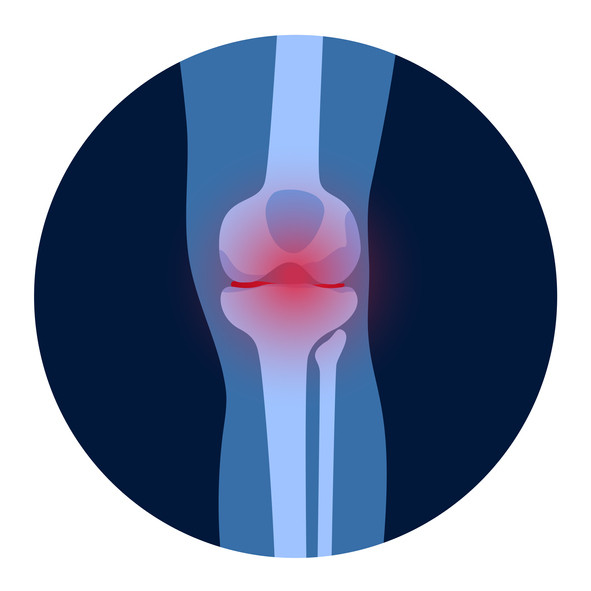
Stopping osteoarthritis: Could recent heart research provide a clue?
Currently no medication can slow the progress of osteoarthritis. And while a reanalysis of a study of people with heart disease suggests a promising approach, more definitive research will be necessary to confirm this.

Warning signs of a serious eye problem
Eyes aren't exempt from the wear and tear of aging. Some of the age-related changes in the eyes are annoying but not serious — for example, it can become difficult to focus on near objects, and eyelashes may thin out a bit. But other changes can be serious eye problems that threaten vision.
With age, the eyes' ability to stay lubricated starts to wane. This can leave eyes feeling irritated, sticky, dry, or gritty. The lens of the eye can become less elastic. Night vision may also start to suffer, which can pose problems when driving at night. In contrast, cataracts, macular degeneration, and diabetic retinopathy can rob you of your sight.
How do you know if an eye problem is a nuisance or the start of something serious? The following signs and symptoms warrant a call to your doctor. Catching serious eye problems early can help preserve your vision. Even non-vision-threatening eye problems can be treated to keep your eyes comfortable and your eyesight as sharp as possible.
Call your doctor if you experience any of the following:
- Change in iris color
- Crossed eyes
- Dark spot in the center of your field of vision
- Difficulty focusing on near or distant objects
- Double vision
- Dry eyes with itching or burning
- Episodes of cloudy vision
- Excess discharge or tearing
- Eye pain
- Floaters or flashers
- Growing bump on the eyelid
- Halos (colored circles around lights) or glare
- Hazy or blurred vision
- Inability to close an eyelid
- Loss of peripheral vision
- Redness around the eye
- Spots in your field of vision
- Sudden loss of vision
- Trouble adjusting to dark rooms
- Unusual sensitivity to light or glare
- Veil obstructing vision
- Wavy or crooked appearance to straight lines
Image: CentralITAlliance/Getty Images
Hip bursitis vs. arthritis: How to tell the difference
Fitness for longevity: Which type matters most?
Ministrokes linked to elevated risk of dementia
Continuous glucose monitors benefit people who don't need insulin
CoQ10: Should you take this popular supplement if you're on a statin?
Microplastics: A hidden health threat?
Oat vs. dairy milk: Nutrition, benefits, and downsides
What is tempeh? Benefits, nutrition, and how to use it
Healing after food poisoning
Whole grains may improve several heart risk factors at once
Free Healthbeat Signup
Get the latest in health news delivered to your inbox!
Sign Up
