

Hip bursitis vs. arthritis: How to tell the difference

Fitness for longevity: Which type matters most?

Ministrokes linked to elevated risk of dementia

Continuous glucose monitors benefit people who don't need insulin

CoQ10: Should you take this popular supplement if you're on a statin?

Microplastics: A hidden health threat?

Oat vs. dairy milk: Nutrition, benefits, and downsides

What is tempeh? Benefits, nutrition, and how to use it

Healing after food poisoning

Whole grains may improve several heart risk factors at once
Osteoporosis Archive
Articles

Vaccination update
We don't yet have a vaccine to prevent COVID-19, but it's still important to get your regularly scheduled shots.
You're not alone if you're avoiding doctor visits because of concerns about COVID-19. But forgoing medical care means you may be skipping needed vaccinations. "That's a huge problem already. Possibly over a hundred million people the world over have missed their vaccinations because of the pandemic," says Dr. Shiv Pillai, an immunologist and professor of medicine at Harvard Medical School.
Going without vaccinations may increase your risk for illness, such as influenza. "We still are just as vulnerable to infection, and we need vaccines to be protected; COVID-19 doesn't change that," says Harvard Health Letter editor in chief Dr. Anthony Komaroff.

Do hemorrhoids increase my cancer risk?
Ask the doctors
Q. I have hemorrhoids. Could this increase my risk of colon cancer?
A. In short, no. Hemorrhoids don't cause or increase your risk for colon or rectal cancer. However, the two conditions may be mistaken for one another because they can produce similar symptoms, such as rectal bleeding, itching, and pain.

Can home remedies help my sciatica?
Ask the doctors
Q. Is there anything I can do at home to ease sciatica pain?
A. Sciatica is a condition that causes pain that radiates down the buttock and the leg. It occurs when one of the two sciatic nerves in your body, which run from your back down to your toes, is compressed or irritated. Most often the problem is triggered by a ruptured disc or arthritis in the lower spine. This condition can be quite painful, but there are some strategies you can use at home to ease your discomfort.
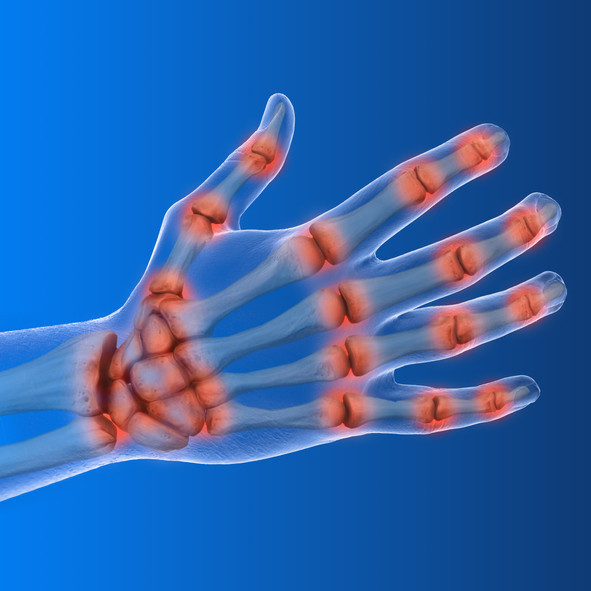
Harvard Health AdWatch: An arthritis ad in 4 parts

Getting the best treatment for your fibromyalgia
Living with the pain and fatigue of fibromyalgia is a challenge faced by millions of people. Finding a doctor who understands the condition and how to treat it can be hard, but knowing the facts about your condition and what questions to ask can help you find the right doctor.

Why can’t we develop COVID-19 treatments faster?
Ask the doctor
Q. COVID-19 is an unprecedented public health emergency. Why can't we go faster in developing drugs for it that are effective and safe?
A. That's what we all want: fast, effective, safe. But we can't usually have all three, so we settle for effective and safe.

Chronic pain linked to higher risk of heart attack and stroke
Research we're watching
People with chronic pain may be more likely to have a heart attack or stroke than those without chronic pain, according to a study published online May 7, 2020, by the journal Pain Medicine.
From 2001 to 2005, researchers identified 17,614 Taiwanese people who had used pain relievers for at least three months. The most common causes of pain were spinal disorders, arthritis, and headaches; the pain relievers included both over-the-counter drugs and prescription opioids. For the comparison group, researchers used 35,228 people without chronic pain who were matched by age and sex to those in the first group.


Diverticular disease of the colon
Diverticular disease develops due to a lack of dietary fiber, and is most common in the elderly, but many people never realize they have it because there are few symptoms.

Hip bursitis vs. arthritis: How to tell the difference
Fitness for longevity: Which type matters most?
Ministrokes linked to elevated risk of dementia
Continuous glucose monitors benefit people who don't need insulin
CoQ10: Should you take this popular supplement if you're on a statin?
Microplastics: A hidden health threat?
Oat vs. dairy milk: Nutrition, benefits, and downsides
What is tempeh? Benefits, nutrition, and how to use it
Healing after food poisoning
Whole grains may improve several heart risk factors at once
Free Healthbeat Signup
Get the latest in health news delivered to your inbox!
Sign Up
