

Hip bursitis vs. arthritis: How to tell the difference

Fitness for longevity: Which type matters most?

Ministrokes linked to elevated risk of dementia

Continuous glucose monitors benefit people who don't need insulin

CoQ10: Should you take this popular supplement if you're on a statin?

Microplastics: A hidden health threat?

Oat vs. dairy milk: Nutrition, benefits, and downsides

What is tempeh? Benefits, nutrition, and how to use it

Healing after food poisoning

Whole grains may improve several heart risk factors at once
Pain Archive
Articles
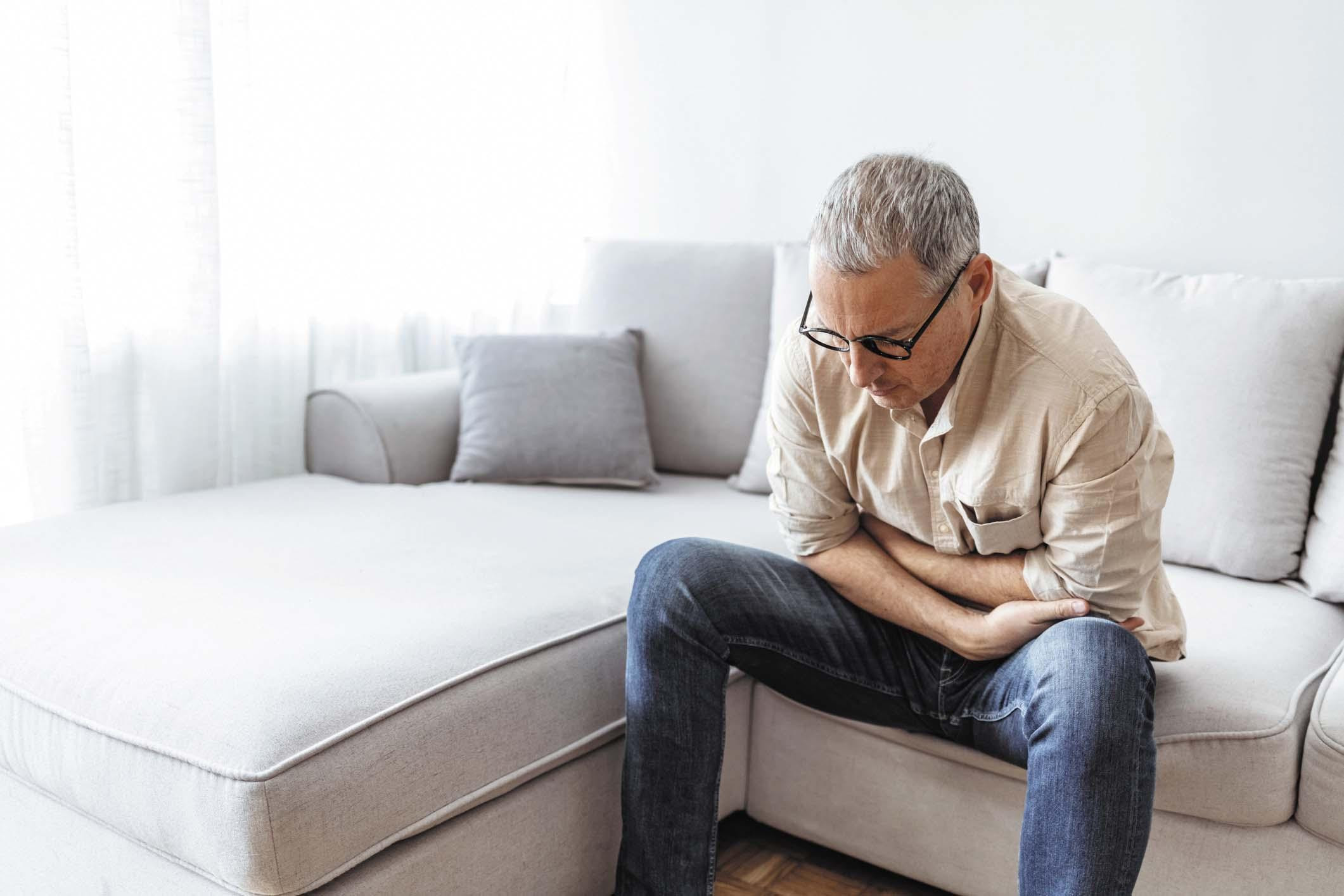
What to do about pain "down there"?
Chronic pelvic pain-medically known as chronic prostatitis / chronic pelvic pain syndrome, or CP/CPPS-is one of the more common and challenging conditions older men face. Because the underlying cause may not be identified, doctors often take a trial-and-error approach to managing the common symptoms like throbbing, aching pain, urination problems, and sexual dysfunction. Options include different types of medication, physiotherapy, shock wave therapy, and aerobic exercise.
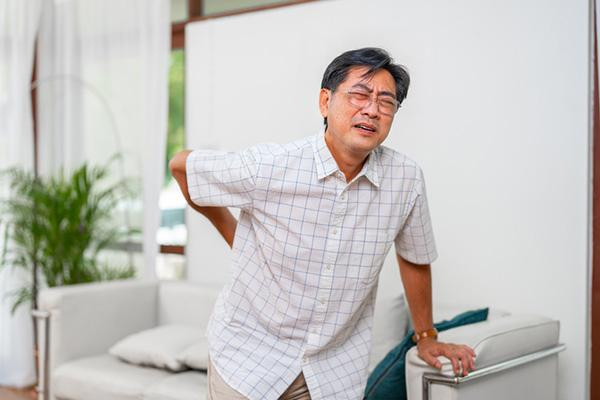
When do I need an imaging test for my back pain?
An x-ray, CT scan, or MRI is usually not needed for addressing low back pain unless people have other symptoms or risk factors for a serious condition. Short-term rest, heat or cold, and over-the-counter medication can ease discomfort until the back pain goes away.
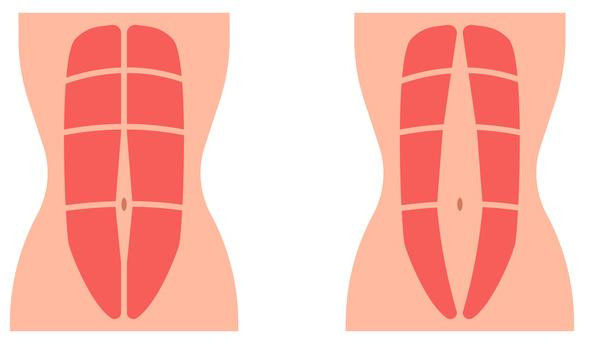
Battle of the bulge
Diastasis recti occurs when the rectus abdominis muscle - the "six-pack" - separates and leads to a midline abdominal bulge. This might happen because of pregnancy, aging, genetics, excessive abdominal pressure, or abdominal surgery. The bulge becomes more noticeable when lifting heavy objects, getting out of bed, or even performing everyday tasks. The condition usually doesn't resolve on its own. Working with a physical therapist can help decrease the muscle separation.

Managing chronic back pain
Chronic back pain (pain that lasts more than 12 weeks) can be more challenging to diagnose and treat compared to short-term pain from an injury. The first-line approach is conservative treatment, such as over-the-counter pain medication, physical therapy, and lifestyle changes. However, sometimes these are not enough, and advanced methods are needed. Depending on the source of chronic back pain, these can include stronger prescription medication, corticosteroid injections, and surgery.
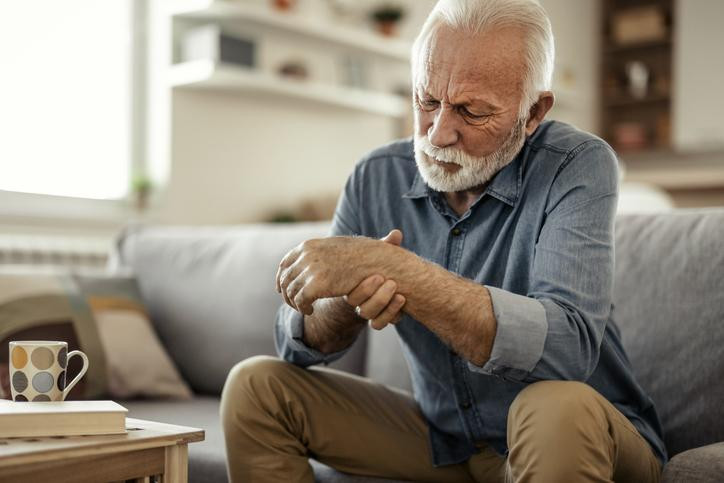
Analysis highlights best treatments for neuropathic pain
A 2025 analysis found that tricyclic antidepressants, the anticonvulsants gabapentin (Neurontin) and pregabalin (Lyrica), and serotonin-norepinephrine reuptake inhibitors, such as duloxetine (Cymbalta) were the most effective drug treatments for neuropathic pain.

Walking tied to less back pain
A 2025 study of more than 11,000 people (average age 55), followed for about four years, those who walked more than 100 minutes a day had a 23% lower risk of chronic low back pain, compared with people who walked less than 78 minutes per day.
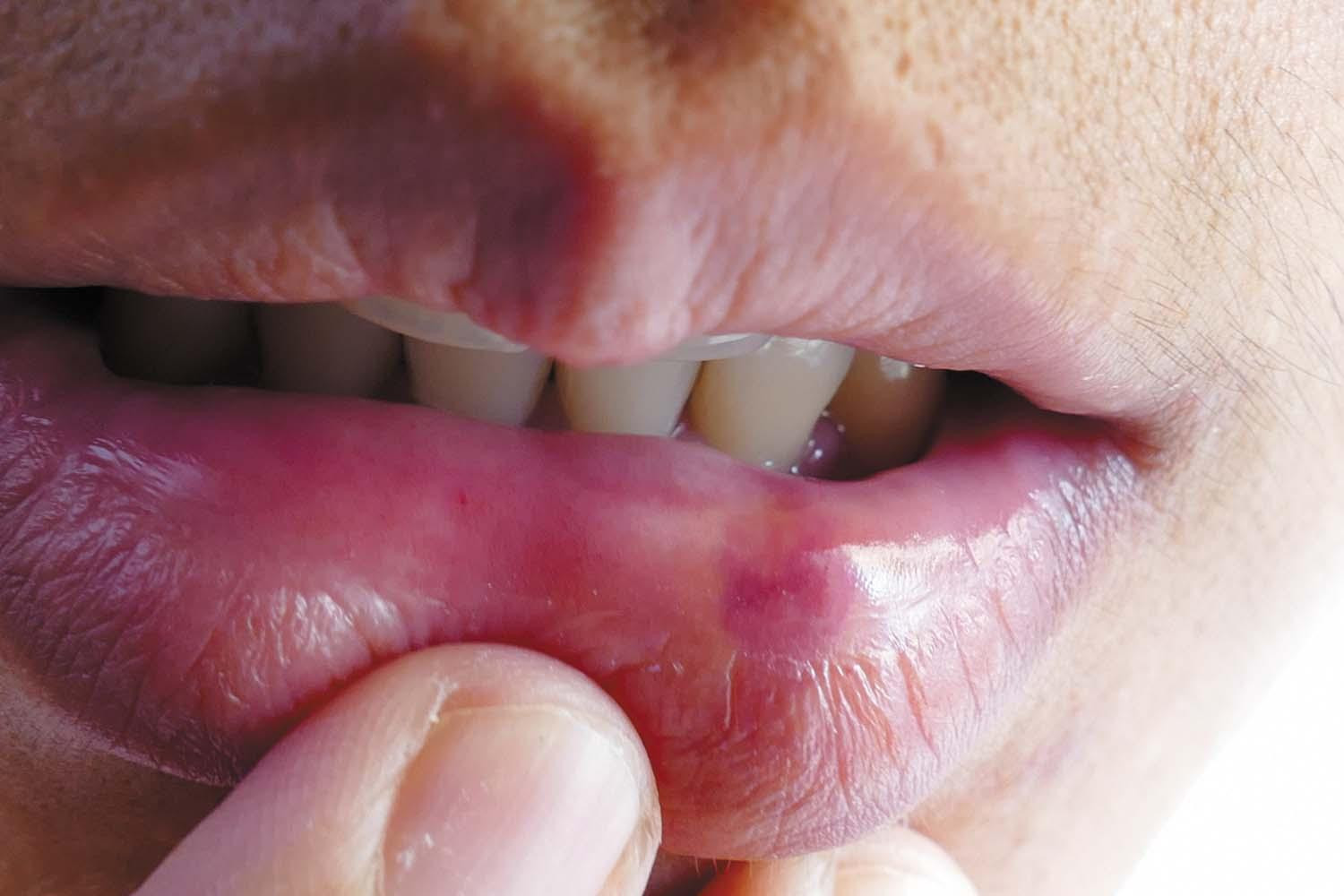
Burning mouth syndrome: The scorching reality
Burning mouth syndrome affects about 2% of people, with women up to seven times more likely than men to be diagnosed. Symptoms include burning sensations in the lips, mouth, or throat as well as stabbing pain, tingling, a sour or metallic taste, or the sense that something is crawling inside the mouth. Women's hormone dips during perimenopause and beyond may play a role in the condition, and stress and anxiety are also considered risk factors. To confirm the diagnosis, doctors must first rule out other potential causes of symptoms.

When vision problems are actually migraine attacks
Two kinds of migraine involve visual disturbances, such as strange, flickering light patterns. One type is migraine with aura, caused by brain activity. The other is ocular migraine, caused by blood vessel problems in the eye. The attacks may or may not be accompanied by a headache. Drugs called triptans might help soothe migraine with aura. Doctors don't have a way to stop an ocular migraine attack as it's occurring. For many people, the only way to cope is resting and waiting until the symptoms go away.

Sleeping better when you have pain
Approximately 50 million adults experience some daily pain. These people usually encounter fluctuations in pain during the day, but in many cases, the pain worsens at night, disrupting sleep. Many strategies can be adopted to prevent and manage nighttime pain, such as doing a pre-bedroom relaxation routine, creating a healthy sleep environment, reframing negative thinking, changing sleeping positions, and using supportive pillows.

The dangerous dismissal of women's pain
Studies show that women's pain experiences are often minimized, dismissed, or undertreated by clinicians. Women and men perceive pain differently. Factors contributing to women's undertreatment for pain include lack of objective pain measures, uncertain diagnoses, clinician bias, and how women are socialized. Women can ensure their pain is taken seriously by communicating closely with clinicians about expectations, stating they recognize their pain may not be 100% relieved, and doing their own research on possible reasons for pain.
Hip bursitis vs. arthritis: How to tell the difference
Fitness for longevity: Which type matters most?
Ministrokes linked to elevated risk of dementia
Continuous glucose monitors benefit people who don't need insulin
CoQ10: Should you take this popular supplement if you're on a statin?
Microplastics: A hidden health threat?
Oat vs. dairy milk: Nutrition, benefits, and downsides
What is tempeh? Benefits, nutrition, and how to use it
Healing after food poisoning
Whole grains may improve several heart risk factors at once
Free Healthbeat Signup
Get the latest in health news delivered to your inbox!
Sign Up
