

Hip bursitis vs. arthritis: How to tell the difference

Fitness for longevity: Which type matters most?

Ministrokes linked to elevated risk of dementia

Continuous glucose monitors benefit people who don't need insulin

CoQ10: Should you take this popular supplement if you're on a statin?

Microplastics: A hidden health threat?

Oat vs. dairy milk: Nutrition, benefits, and downsides

What is tempeh? Benefits, nutrition, and how to use it

Healing after food poisoning

Whole grains may improve several heart risk factors at once
Pain Archive
Articles

How the stigma of migraine might hurt your health
Migraine can carry a certain stigma that unfairly marks individuals with the condition. A 2024 study suggested that such stigma might be tied to increased disability and reduced quality of life for people struggling with this debilitating disease. To cope with migraine stigma, it helps to talk to a psychologist or join a migraine support group, educate loved ones, and talk to one's boss regarding accommodations needed to cope with migraine on the job.

Antidepressants: Not just for mood disorders
Antidepressants influence the way brain chemicals regulate mood and other body functions and behaviors. Examples include selective serotonin reuptake inhibitors, such as fluoxetine (Prozac) and citalopram (Celexa); and serotonin and norepinephrine reuptake inhibitors, such as venlafaxine (Effexor) and duloxetine (Cymbalta). Although the medications are commonly used to treat depression, sometimes they are used to treat other conditions such as insomnia, headaches, gynecological pain, or nerve pain.

Regular walking can hamper low back pain recurrence
A 2024 study suggested that walking regularly may help stave off repeat episodes of low back pain.

Restless legs syndrome on the radar
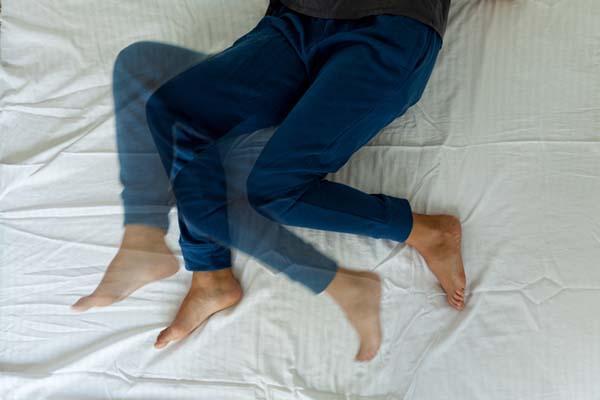
Restless legs syndrome (RLS) affects up to 10% of Americans and twice as many women as men. Risk factors include age, genetics, iron-deficiency anemia, and pregnancy. A variety of therapies can alleviate symptoms, which are dominated by creepy-crawly, sometimes painful leg sensations that tend to strike around bedtime. The American Academy of Sleep Medicine recommended in March 2024 to stop using dopamine-boosting drugs as first-line therapy for RLS; it should be taken only by patients whose symptoms don't respond to other treatments.

The end of painful sitting
Older adults typically sit for about 65% to 80% of their waking hours. One problem of prolonged sitting is pain due to gluteal amnesia. It occurs from a weak gluteus medius-one of the three gluteal muscles that help stabilize the pelvis and maintain the body's proper alignment. Moving more often during the day and doing exercises that strengthen weak gluteal muscles can help prevent this problem.


Hip bursitis vs. arthritis: How to tell the difference
Fitness for longevity: Which type matters most?
Ministrokes linked to elevated risk of dementia
Continuous glucose monitors benefit people who don't need insulin
CoQ10: Should you take this popular supplement if you're on a statin?
Microplastics: A hidden health threat?
Oat vs. dairy milk: Nutrition, benefits, and downsides
What is tempeh? Benefits, nutrition, and how to use it
Healing after food poisoning
Whole grains may improve several heart risk factors at once
Free Healthbeat Signup
Get the latest in health news delivered to your inbox!
Sign Up
