

Hip bursitis vs. arthritis: How to tell the difference

Fitness for longevity: Which type matters most?

Ministrokes linked to elevated risk of dementia

Continuous glucose monitors benefit people who don't need insulin

CoQ10: Should you take this popular supplement if you're on a statin?

Microplastics: A hidden health threat?

Oat vs. dairy milk: Nutrition, benefits, and downsides

What is tempeh? Benefits, nutrition, and how to use it

Healing after food poisoning

Whole grains may improve several heart risk factors at once
Pediatric health Archive
Articles

Parents: Don’t use a baby walker
While it may be tempting to put a baby in a moving walker, the devices have led to thousands of injuries over the past three decades, plus they do not help babies learn to walk but in fact hinder that process.

Depression and illness: Chicken or egg?
| Image: iStock |
When depression strikes, doctors usually probe what's going on in the mind and brain first. But it's also important to check what's going on in the body, since certain medical problems are linked to mood disturbances. In fact, medical illnesses — and medication side effects — may be behind nearly 10% to 15% of all cases of depression.
It's not uncommon for a physical illness to trigger depression. Up to half of heart attack survivors and those with cancer report feeling blue, and many are diagnosed with depression. Many people who have diabetes, Parkinson's, or other chronic conditions become depressed.

School refusal: When a child won’t go to school
The adjustment from summer vacation back to the structure and demands of the school year affects many students, but some experience so much anxiety that they avoid going to school. Understanding the reasons for school refusal can help parents identify problems and act quickly.

Why pregnant and nursing mothers shouldn’t smoke marijuana
The number of pregnant women who use marijuana has risen in recent years, but the effects of THC on a child’s developing brain make it much safer for women to avoid marijuana use entirely during pregnancy and while nursing.
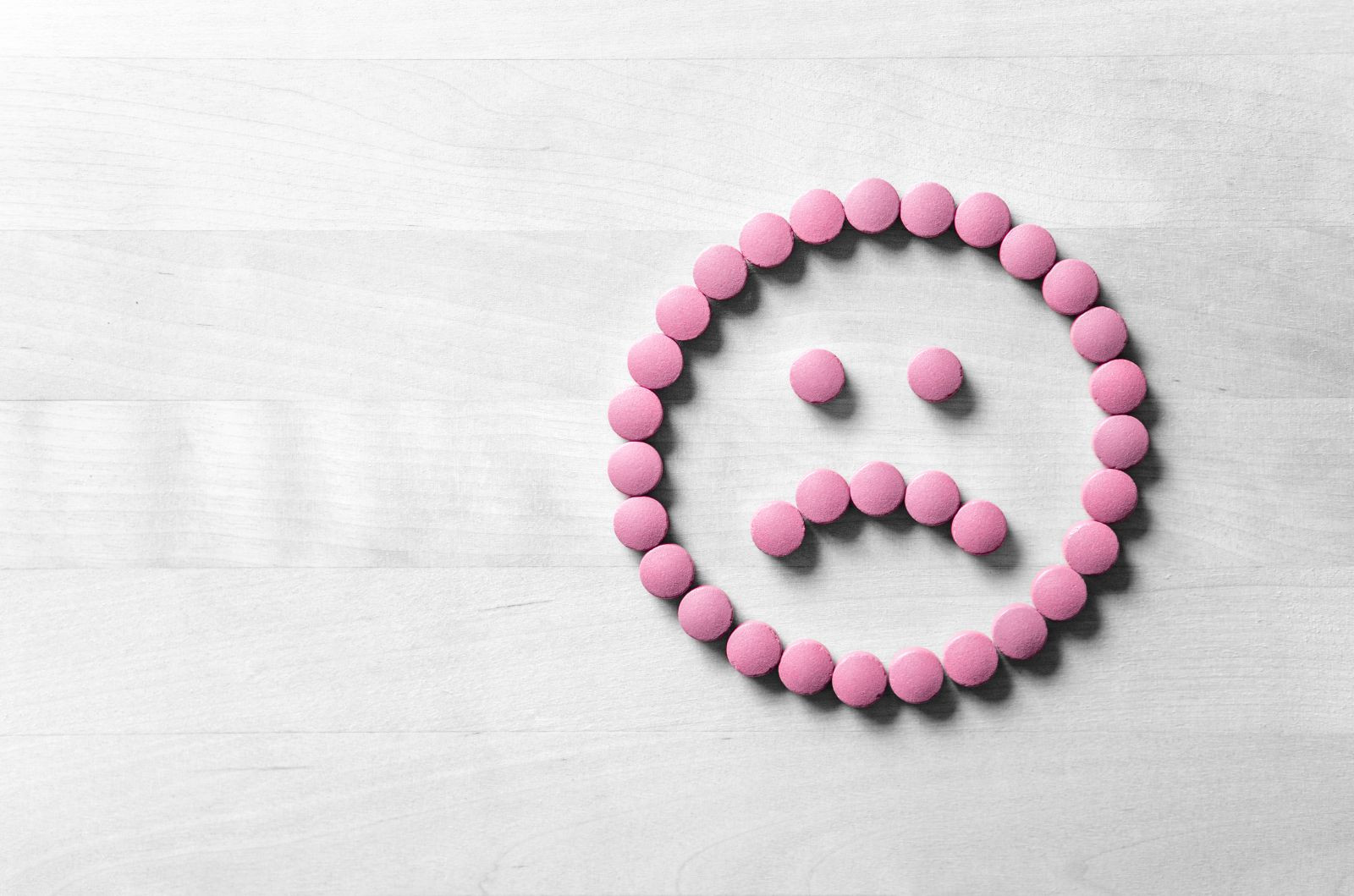
Depression risks in the medicine cabinet
News briefs
Are you taking a medication that has depression or suicidal thinking as a potential side effect? One or both risks have been linked to use of more than 200 prescription and over-the-counter pills, including medicines that treat high blood pressure, heartburn, pain, and headaches. The more of these drugs you use, the higher the likelihood that you'll experience depression, suggests a study published June 12, 2018, in The Journal of the American Medical Association. Working with five surveys conducted over a nine-year period, researchers evaluated health information from 26,192 adults. About 37% of them reported taking such medications. Of individuals taking three or more of the medications with depression as a possible side effect, about 15% reported depression, compared with about 5% in people not using those medications. Even for people already taking an antidepressant, the addition of one or more of the identified medicines was linked to higher rates of depression. This study was based on surveys, so it didn't prove that the medications caused the reported depression. Nonetheless, if you think you're depressed (and have symptoms such as apathy, hopelessness, changes in sleep or eating habits, and persistent fatigue), ask your doctor if any of the medicines you are taking may be responsible.
Image: © Tero Vesalainen | GettyImages

Looking for an earlier sign of Alzheimer’s disease
Subjective cognitive decline often appears before memory loss and other symptoms.
Recent research suggests that the brain changes leading to Alzheimer's disease begin many years before the onset of symptoms.
Most often the disease is not diagnosed until it exists in full force, so finding earlier changes in thinking or behavior may help scientists better understand this process.

Tips to cope when it’s time to downsize
Asking for help from friends and family and then engaging with your new community will get you through the transition.
Image: © IPGGutenbergUKLtd/Getty Images
Downsizing from a large home to a smaller one is a fact of life for many older adults. The reason may be finances, health issues, or a desire to simplify your lifestyle. But making the transition can bring a host of emotions: sadness, grief, stress, or anxiety.
Understanding the triggers for these feelings and using strategies to navigate them may not change how you feel, but it may help the downsizing process go more smoothly so you can focus on your next chapter.

Do common viruses play a role in Alzheimer’s disease?
Research we're watching
Image: © Reptile8488/Getty Images
A new study published online June 21 by the journal Neuron links two common viruses to Alzheimer's disease. Based on data from three brain banks, researchers found that the brains of people with Alzheimer's disease had up to twice the levels of two viruses — herpesviruses 6A and 7 — compared with the brains of people who did not have dementia. The virus genes also appeared to have interacted with the human DNA in cells in the brain in ways that might have affected Alzheimer's disease risk.
Infection with these herpesviruses is very common. Up to 90% of people may be exposed to these viruses in childhood. They cause, among other things, a mild infection known as roseola, which produces a rash and a fever.

6 keys to finding a high-quality addiction treatment center

Hip bursitis vs. arthritis: How to tell the difference
Fitness for longevity: Which type matters most?
Ministrokes linked to elevated risk of dementia
Continuous glucose monitors benefit people who don't need insulin
CoQ10: Should you take this popular supplement if you're on a statin?
Microplastics: A hidden health threat?
Oat vs. dairy milk: Nutrition, benefits, and downsides
What is tempeh? Benefits, nutrition, and how to use it
Healing after food poisoning
Whole grains may improve several heart risk factors at once
Free Healthbeat Signup
Get the latest in health news delivered to your inbox!
Sign Up
