

Hip bursitis vs. arthritis: How to tell the difference

Fitness for longevity: Which type matters most?

Ministrokes linked to elevated risk of dementia

Continuous glucose monitors benefit people who don't need insulin

CoQ10: Should you take this popular supplement if you're on a statin?

Microplastics: A hidden health threat?

Oat vs. dairy milk: Nutrition, benefits, and downsides

What is tempeh? Benefits, nutrition, and how to use it

Healing after food poisoning

Whole grains may improve several heart risk factors at once
Pediatric health Archive
Articles

Drinking excessively could raise risk of early-onset dementia
Research we're watching
Drinking too much alcohol could raise the risk of developing early-onset dementia, says a study published online Feb. 20, 2018, by The Lancet Public Health.
Researchers studied the records of more than 31 million people discharged from French hospitals between 2008 and 2013 to identify 57,353 cases of early-onset dementia. Researchers defined "early onset," as cases occurring in people under age 65. They found that most diagnoses of early-onset dementia either were defined as alcohol-related (38.9%) or occurred in a person who had an alcohol use disorder (17.6%).
Study authors said that the findings show that alcohol use disorders are a major risk factor for dementia, and screening individuals for heavy drinking should be a priority for health care practitioners.


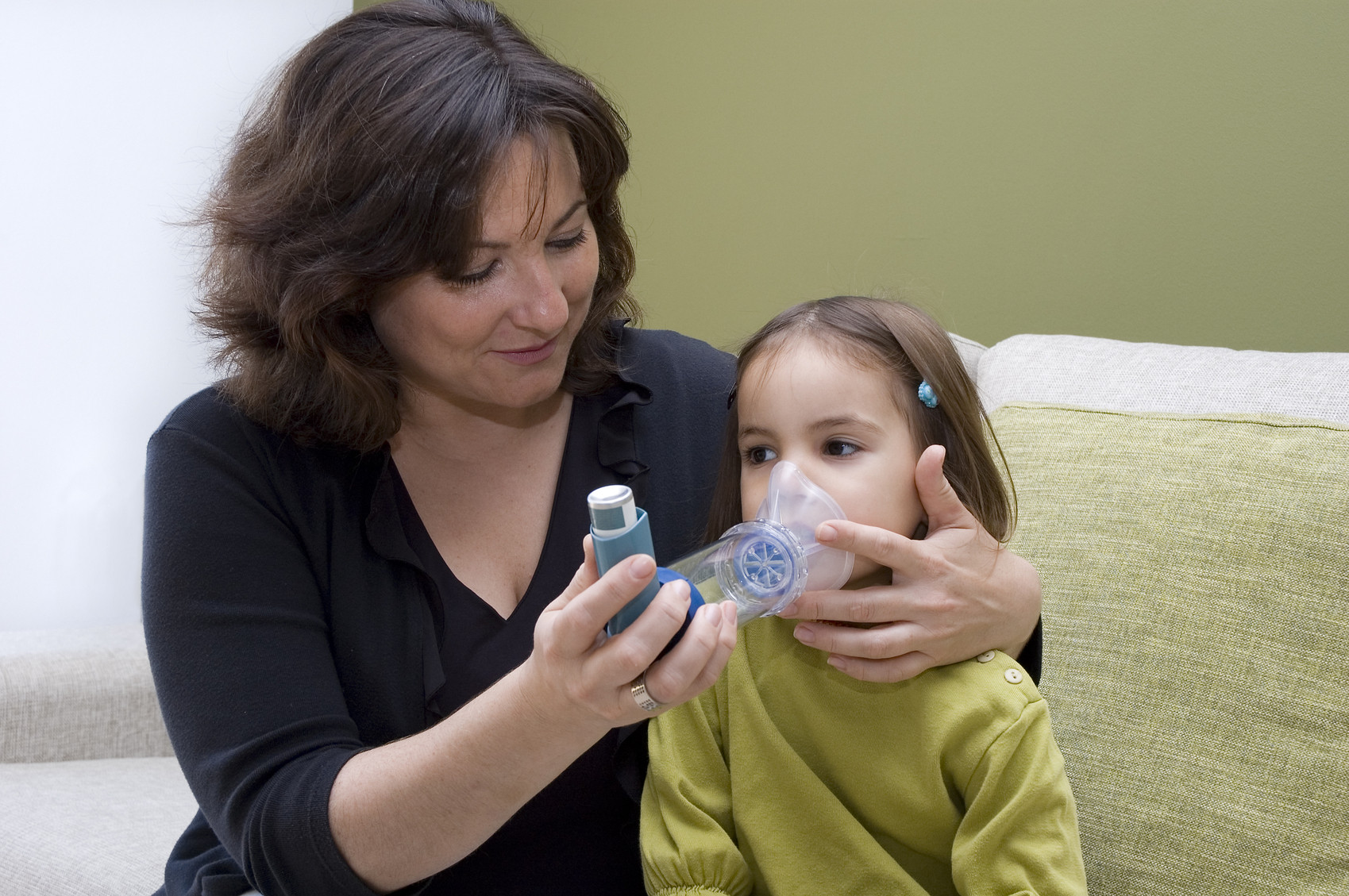
Giving antacids and antibiotics to babies can lead to allergies
The overuse of antibiotics and antacids can lead to problems regardless of age, but if given to babies it can contribute to allergies and asthma as children grow.

Can the flu increase my heart attack risk?
On call
Q. There has been a lot of talk about the severity of this flu season, and I recently heard that influenza also can trigger a heart attack. Should I worry?
A. Influenza is responsible for about 10,000 to 20,000 annual deaths, mostly from pneumonia or internal organ failure. In other situations, influenza infection strains a person's health, which can worsen underlying conditions, such as heart disease.

5 ways to keep your memory sharp
The way you live, what you eat and drink, and how you treat your body can affect your memory just as much as your physical health and well-being. Here are five things you can do every day to keep both your mind and body sharp.
1. Manage your stress. The constant drumbeat of daily stresses such as deadline pressures or petty arguments can certainly distract you and affect your ability to focus and recall. But the bigger problem is an ongoing sense of anxiety — that can lead to memory impairment. If you don't have a strategy in place for managing your stress, protecting your memory is one reason to get one. Deep breathing, meditation, yoga, and a "mindful" approach to living can all help.

What happened when I stopped saying “Be careful”
It’s common to repeat ourselves trying to get children to follow our instructions, but how much of what we are trying to convey does a child truly comprehend? Paying attention to context and using words that make clear what we want are likely to get better results.

I'm so lonesome I could cry
The health risks of loneliness and isolation have been known for some time, but more recently research has shown the specific effects in the brain. Finding ways to make connections with other people is the best "medicine" to alleviate the mental and physical effects of loneliness.

Hip bursitis vs. arthritis: How to tell the difference
Fitness for longevity: Which type matters most?
Ministrokes linked to elevated risk of dementia
Continuous glucose monitors benefit people who don't need insulin
CoQ10: Should you take this popular supplement if you're on a statin?
Microplastics: A hidden health threat?
Oat vs. dairy milk: Nutrition, benefits, and downsides
What is tempeh? Benefits, nutrition, and how to use it
Healing after food poisoning
Whole grains may improve several heart risk factors at once
Free Healthbeat Signup
Get the latest in health news delivered to your inbox!
Sign Up
