

Hip bursitis vs. arthritis: How to tell the difference

Fitness for longevity: Which type matters most?

Ministrokes linked to elevated risk of dementia

Continuous glucose monitors benefit people who don't need insulin

CoQ10: Should you take this popular supplement if you're on a statin?

Microplastics: A hidden health threat?

Oat vs. dairy milk: Nutrition, benefits, and downsides

What is tempeh? Benefits, nutrition, and how to use it

Healing after food poisoning

Whole grains may improve several heart risk factors at once
Pediatric health Archive
Articles

Emergencies and First Aid - Bleeding
Bleeding
While a minor cut will eventually stop bleeding, a severe injury may require elevation and direct pressure on the wound. The goals of first-aid treatment are to control bleeding and prevent infection. If disposable surgical gloves are readily available, use them.
Direct Pressure for Bleeding and Pressure Points for Bleeding
Emergencies and First Aid - Birth of the Placenta
Birth of the Placenta
The placenta, which has provided the fetus with nourishment, is attached to the umbilical cord and is delivered about 20 minutes after the baby. Do not pull on the cord; delivery of the placenta occurs on its own. You can help by gently massaging the womans lower abdomen. The uterus will feel like a hard round mass.
Massaging the abdomen helps the uterus contract, which also helps stop bleeding. After the placenta is delivered, place it in a plastic bag to take with the woman and baby to the hospital. It is normal for more bleeding to occur after delivery of the placenta. Continue gently massaging the womans lower abdomen.

Emergencies and First Aid - Butterfly Bandage
Butterfly Bandage
| ||

Emergencies and First Aid - Direct Pressure to Stop Bleeding
Direct Pressure to Stop Bleeding
A wound that is deep, bleeding heavily, or has blood spurting from it (caused by bleeding from an artery), may not clot and may not stop bleeding.
Immediate care
Call out for someone to get help, or call 911 yourself. Elevate the wound and apply direct pressure.
Bad backs and backpacks
While going to and from school many kids these days look like they have the weight of the world on their shoulders. Although it might not be quite so heavy, some kids actually do carry around a lot of weight in their backpacks. These heavy loads place stress on the spine and shoulders of children, causing muscle strain and fatigue. For some kids the aches and pains are bad enough to seek medical attention. Too much weight can also lead to bad habits such as poor posture and excessive slouching.
Unfortunately, doing homework and being prepared in class means carrying books back and forth between school and home. You can help your child lighten the load by teaching him or her organizational skills. By using folders for individual subjects your child can bring home just the work he needs for the day as opposed to lugging everything home. At school, encourage your child to take frequent trips in between classes to his or her locker to replace books.

Why medical experts say that teens should be allowed to make the abortion decision without telling their parents
The belief that teens should have the right to an abortion without parental knowledge or consent is supported by a group of medical associations, and is based primarily on concerns about safety and the medical consequences of requiring that parents be informed.
Low-tar cigarettes are not a safer choice
Studies show smoking high-tar unfiltered cigarettes, as opposed to medium-tar filtered cigarettes, greatly increases your risk of lung cancer. So, cigarettes labeled as low-tar or ultra light are an even safer choice, right? Wrong. A study comparing the lung cancer risks of different types of cigarettes found this seemingly logical assumption is false.
The study six years and involved over 900,000 Americans over the age of 30. The researchers compared the risk of death from lung cancer among men and women who were smokers, former smokers, or had never smoked. When analyzed according to the tar rating of cigarette smoked, the results of the study showed the risk of lung cancer death was greatest for smokers of high-tar unfiltered cigarettes. The risk of lung cancer death was no different among smokers of medium-, low-, and very low-tar cigarettes.
Treating ear infections in children
If your child is rubbing his ear, should you run to the doctor's office to demand antibiotics? Probably not. Your child may simply have fluid in the ear and not the classic ear infection that parents and children dread.
Middle Ear Fluid (Otitis Media with Effusion)
Over 2 million American children experience fluid in the middle ear each year, often following a cold or an acute ear infection. The condition is also called a silent ear infection because many children have no symptoms. Some children, though, may rub their ear or experience mild pain, sleep disturbances, unexplained clumsiness, muffled hearing, or delays in language and speech development. The condition may be diagnosed during a routine well-child visit with the use of a pneumatic otoscope, which allows the doctor to see how easily the eardrum moves.
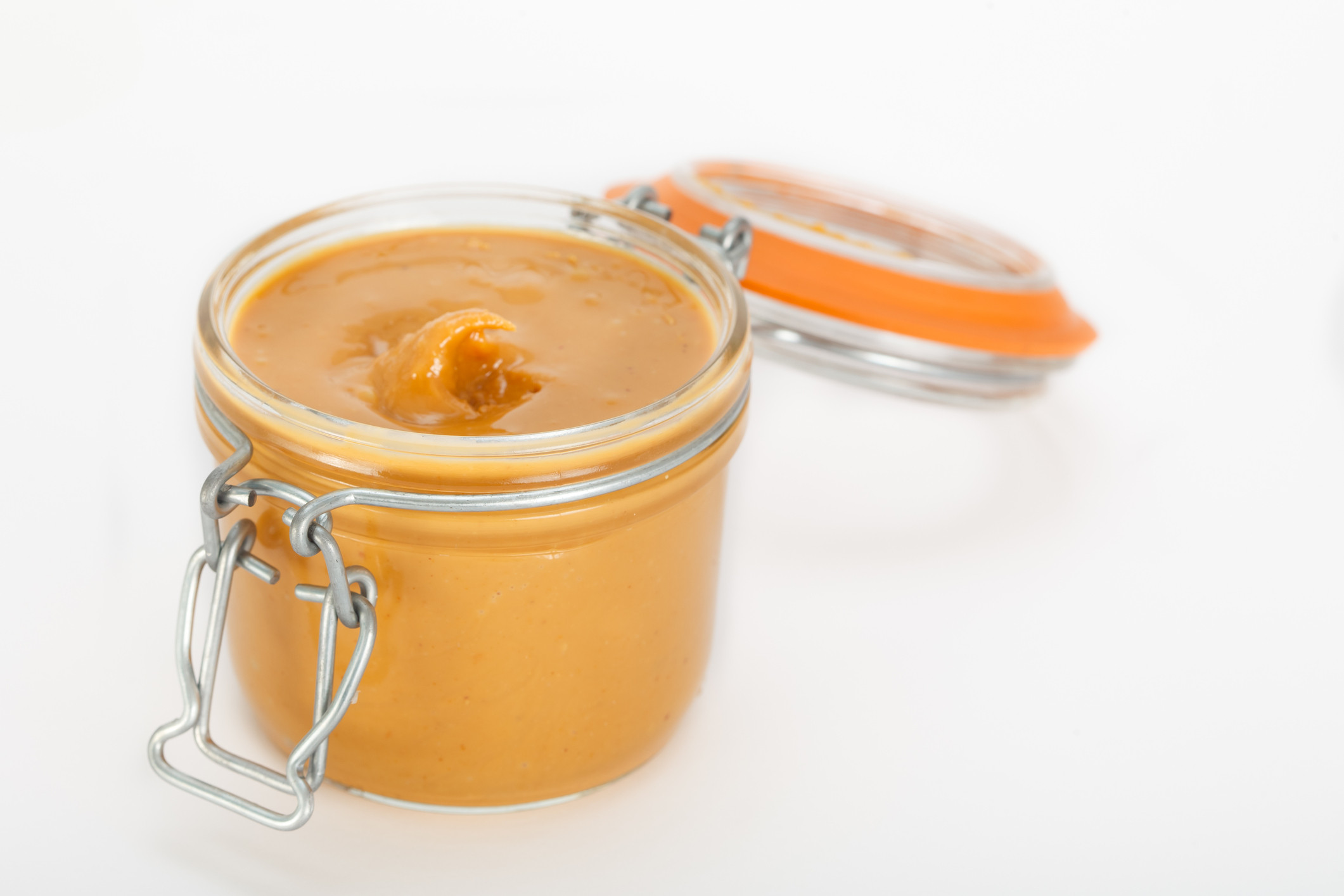
New guidelines for preventing peanut allergy in babies
New guidelines to prevent peanut allergies in children involve careful exposure to peanut products. Experts identify three levels of “allergy risk.” The safest approach to exposure depends on which category a baby is in. It is always important to discuss this with your doctor before introducing peanut products. Some babies may need allergy testing before trying this. No matter the strategy, parents need to remember that peanuts are a choking hazard for young children and many babies have trouble managing peanut butter, so it needs to be used carefully.

3 easy ways to boost your brain
Mind-bending puzzles aren't the only route to improving memory and reason. Activities that engage your emotions and senses may be even better.
Image: JDwow /Thinkstock
In the midst of promotions for commercial brain training programs to ward off age-related cognitive decline, a few studies are beginning to indicate that simple pleasures may be even more productive. You may find that doing one of the following is an easier and more rewarding way to boost your brain than doing computer-based exercises.
1. Care for a dog
2. Color a picture
It's little wonder that 12 million adult coloring books—based on topics ranging from endangered species to art nouveau designs—were sold in 2015. Crayon sales also jumped by $11 million. Creating art—even if it means coloring inside the lines—can be both stimulating and relaxing.
Moreover, according to a 2015 German study, actively creating art also improves spatial reasoning. The German researchers randomly assigned 28 retirees in their 60s to two groups, both of which met weekly for 10 weeks. One group took classes in which they drew, sculpted, or painted; the other went to museums and analyzed the art they viewed. Both groups underwent tests and brain MRI scans at the beginning and end of the study. The researchers determined that, compared with the people who analyzed art, those who created art had greater improvement in the ability to detect spatial relationships and more activity in the region of the brain responsible for spatial perception.
3.Play with a child
Hip bursitis vs. arthritis: How to tell the difference
Fitness for longevity: Which type matters most?
Ministrokes linked to elevated risk of dementia
Continuous glucose monitors benefit people who don't need insulin
CoQ10: Should you take this popular supplement if you're on a statin?
Microplastics: A hidden health threat?
Oat vs. dairy milk: Nutrition, benefits, and downsides
What is tempeh? Benefits, nutrition, and how to use it
Healing after food poisoning
Whole grains may improve several heart risk factors at once
Free Healthbeat Signup
Get the latest in health news delivered to your inbox!
Sign Up
