

Hip bursitis vs. arthritis: How to tell the difference

Fitness for longevity: Which type matters most?

Ministrokes linked to elevated risk of dementia

Continuous glucose monitors benefit people who don't need insulin

CoQ10: Should you take this popular supplement if you're on a statin?

Microplastics: A hidden health threat?

Oat vs. dairy milk: Nutrition, benefits, and downsides

What is tempeh? Benefits, nutrition, and how to use it

Healing after food poisoning

Whole grains may improve several heart risk factors at once
Physical activity and exercise Archive
Articles

Can you feel younger than your age?
Research has found that people with more positive attitudes about growing old tend to live longer than those with negative thoughts about aging. They also have a lower risk for diabetes, stroke, cancer, and heart disease and better cognitive functioning. People can maintain a healthy mindset about aging by adopting certain lifestyle habits, such as reducing anxiety, finding purpose in life, seeking challenges, socializing more, and rejecting negative stereotypes about aging.
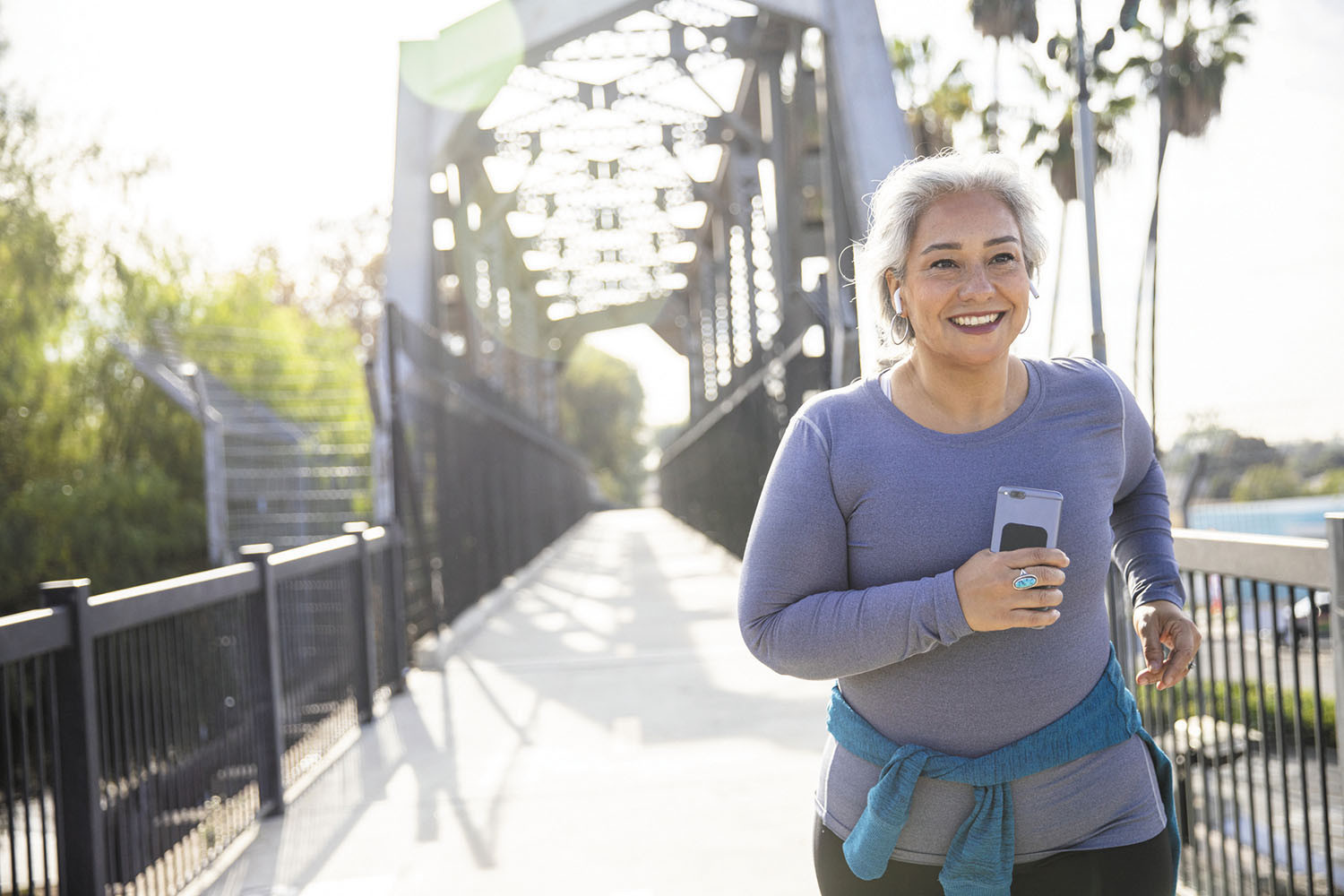
Exercise may counteract inherited risk for diabetes
Getting regular exercise can help fend off diabetes, even in people with a genetic propensity for the disease, according to a 2023 study.

Seeing clogged arteries may inspire healthier habits
If people see evidence of plaque buildup inside their arteries, it may motivate them to take better care of their heart health, according to a 2023 study.

Can apple cider vinegar curb appetite?
Drinking apple cider vinegar before bedtime isn't proven to curb appetite or promote weight loss. Doing so can also lead to heartburn or reflux and erode tooth enamel. To consume it more safely, people can blend apple cider vinegar with water or into salad dressings.

Medication-taking made easier
About half the time, people alter how much, how often, or how long they take a prescribed medication, or they don't take it at all. This phenomenon, called medication nonadherence, can gravely threaten people's health, and is linked to about 125,000 deaths annually. People might not be able to comply with their drug regimen if they feel they take too many drugs, they don't like the side effects, the prescriptions cost too much, or they have memory problems or depression. Doctors should review medication lists and remove what patients no longer need.

Weekly aerobic exercise may help reduce flu and pneumonia deaths
A 2023 study found that people who met guidelines for engaged weekly aerobic activity had a lower risk of dying from pneumonia or influenza than those who did no activity.

Eating junk food may affect deep sleep
A new study found that eating an unhealthy diet high in processed food can affect people's deep sleep, the stage when the pituitary gland in the brain releases hormones to build and repair muscles and bones as well help boost cognitive function and memory.

Try this: All aboard for paddleboarding
Paddleboarding is a popular water sport in which people stand or kneel on a "surfboard" and use a long paddle. It's a great stress buster, and it can help improve balance and strengthen key muscles, like those in the core, back, arms, and shoulders.

Is it okay to take multivitamins?
The general consensus is that healthy people who eat right need a vitamin or mineral supplement only if they have a diagnosed vitamin or mineral deficiency. Still, multivitamins may provide a safety net to fill dietary nutrition gaps even for people who mostly eat healthy. Studies have shown that taking multivitamins as prescribed usually doesn't cause any serious issues, and many over-the-counter brands are relatively inexpensive. Some people also view taking a daily multivitamin as another way to support a healthy lifestyle.
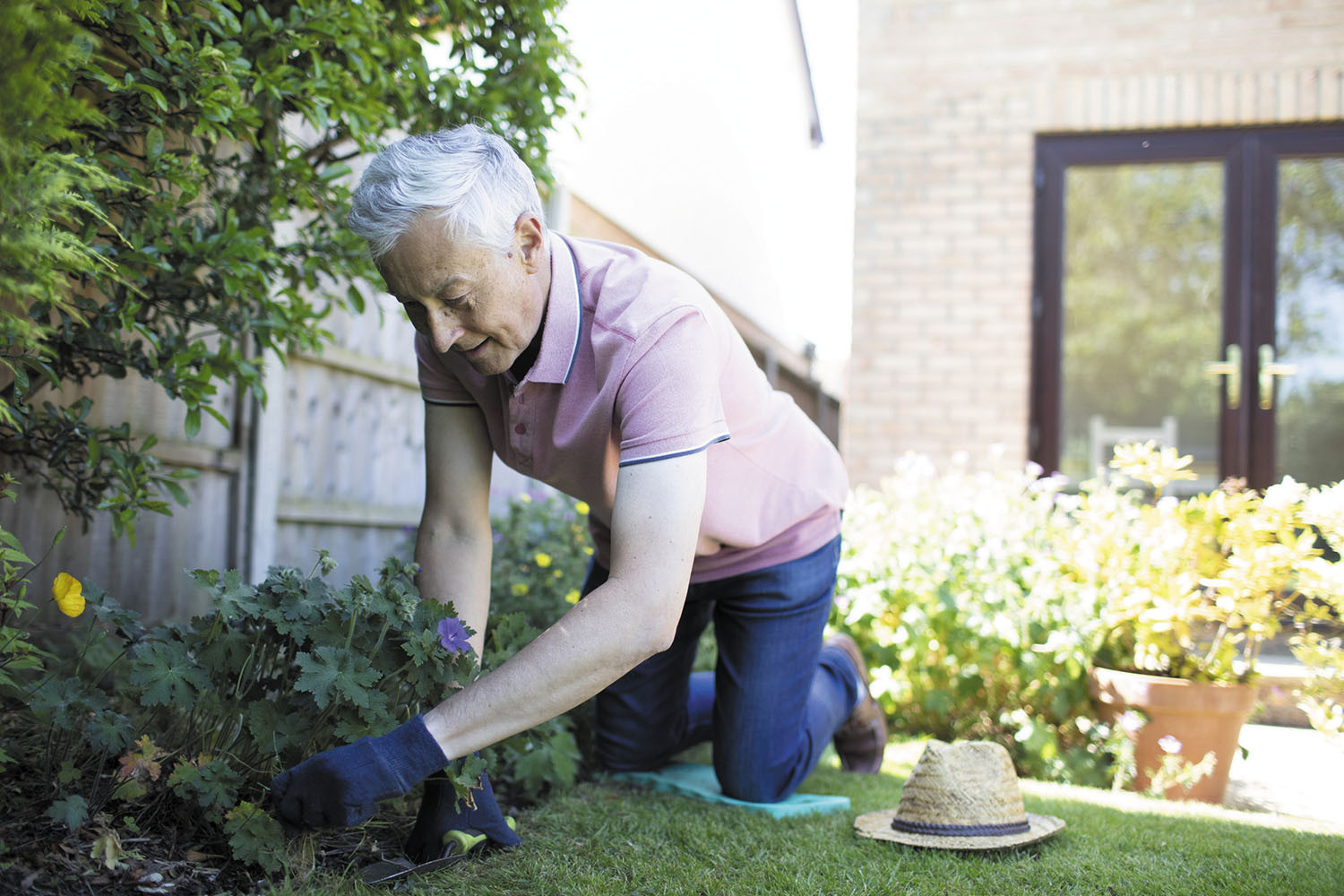
Rising up from a fall
Older adults need to safely be able to sit and rise from the ground whether kneeling in the garden, looking for something under the bed, or playing on the floor with the grandkids. This movement is also helpful when getting up after a fall. Three exercises that can help older adults with daily up-and-down mobility are kneel-to-stand, crawling, and sit-to-stand.
Hip bursitis vs. arthritis: How to tell the difference
Fitness for longevity: Which type matters most?
Ministrokes linked to elevated risk of dementia
Continuous glucose monitors benefit people who don't need insulin
CoQ10: Should you take this popular supplement if you're on a statin?
Microplastics: A hidden health threat?
Oat vs. dairy milk: Nutrition, benefits, and downsides
What is tempeh? Benefits, nutrition, and how to use it
Healing after food poisoning
Whole grains may improve several heart risk factors at once
Free Healthbeat Signup
Get the latest in health news delivered to your inbox!
Sign Up
