

Hip bursitis vs. arthritis: How to tell the difference

Fitness for longevity: Which type matters most?

Ministrokes linked to elevated risk of dementia

Continuous glucose monitors benefit people who don't need insulin

CoQ10: Should you take this popular supplement if you're on a statin?

Microplastics: A hidden health threat?

Oat vs. dairy milk: Nutrition, benefits, and downsides

What is tempeh? Benefits, nutrition, and how to use it

Healing after food poisoning

Whole grains may improve several heart risk factors at once
Physical therapy Archive
Articles



Motivate yourself to walk more
A 2024 study found that offering reminders or incentives seems to motivate people to walk more than they normally do. And people who are offered incentives such as money or game points walk more than people who receive only daily reminders to walk.

Does exercise protect against COVID-19?
A 2024 study found that people who exercise regularly are much less likely to get COVID-19 or be hospitalized with it, compared with people who don't exercise regularly. That's because exercise keeps the immune system strong and able to fight off infection. Exercise enhances the ability of white blood cells to do battle; stimulates the production of antibodies in the lining of the nose, throat, breathing tubes, and lungs; and keeps the immune system from overreacting to infections and harming the body.

Incentives help people become more active
A 2024 study found that adults can benefit from receiving financial or game-like incentives to become more active.

Taking the Presidential Physical Fitness Test
The original Presidential Physical Fitness Test consisted of five exercises: a one-mile run, pull-ups or push-ups, sit-ups, shuttle run, and sit-and-reach. The test gauged upper-body and core strength, endurance, flexibility, and agility for America's youth. Still, with some modifications, older adults can use the test to assess a baseline of their fitness and identify areas where they need to improve.

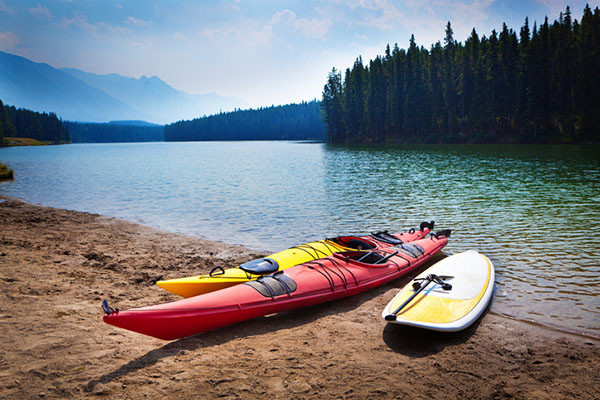
Power your paddle sports with three great exercises
Like kayaking or canoeing, paddleboarding provides a serious workout. But before you head out on the water, you'll want to get some key muscle groups in shape, especially ones that probably have not been used much during winter.

Try this: Get low with deep squats
Practicing the deep low squat, commonly known as the "Asian squat," can improve lower back strength, flexibility, and mobility at the hips, knees, and ankles.
Hip bursitis vs. arthritis: How to tell the difference
Fitness for longevity: Which type matters most?
Ministrokes linked to elevated risk of dementia
Continuous glucose monitors benefit people who don't need insulin
CoQ10: Should you take this popular supplement if you're on a statin?
Microplastics: A hidden health threat?
Oat vs. dairy milk: Nutrition, benefits, and downsides
What is tempeh? Benefits, nutrition, and how to use it
Healing after food poisoning
Whole grains may improve several heart risk factors at once
Free Healthbeat Signup
Get the latest in health news delivered to your inbox!
Sign Up
