

Hip bursitis vs. arthritis: How to tell the difference

Fitness for longevity: Which type matters most?

Ministrokes linked to elevated risk of dementia

Continuous glucose monitors benefit people who don't need insulin

CoQ10: Should you take this popular supplement if you're on a statin?

Microplastics: A hidden health threat?

Oat vs. dairy milk: Nutrition, benefits, and downsides

What is tempeh? Benefits, nutrition, and how to use it

Healing after food poisoning

Whole grains may improve several heart risk factors at once
Physical therapy Archive
Articles

Orienteering: Great exercise and better thinking skills?
The navigation sport orienteering combines map and compass reading with exercise. It’s a fun way to get outside and get some exercise — and it may even help fight cognitive decline.
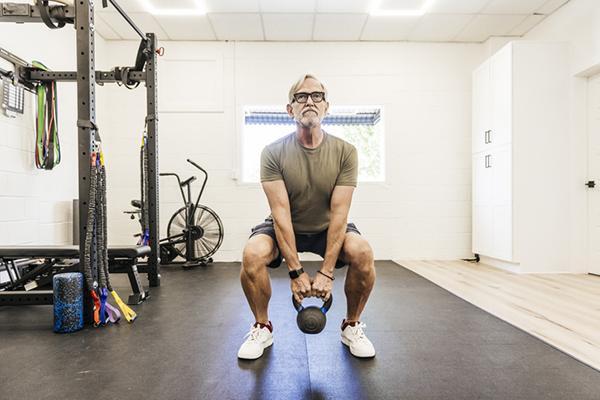
Strength training over decades linked to longer life
A 2026 study suggests that people who do up to two hours of strength training each week over several decades may have a lower risk of dying earlier from several serious conditions, including heart disease and neurological diseases such as dementia.
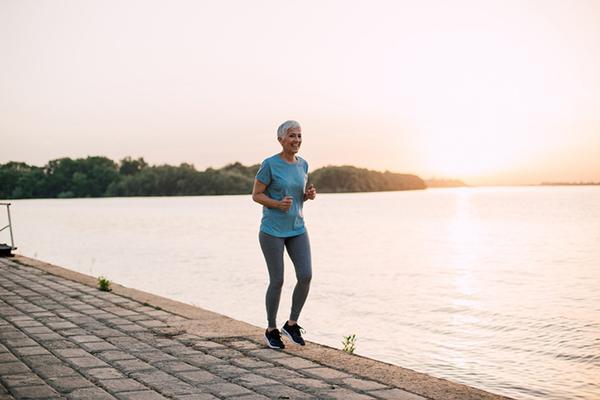
Should you schedule your exercise based on your circadian rhythm?
A small, short-term 2026 study suggests that people who schedule their exercise to align with their chronotype—the body’s natural sleep and wake cycle—may lower their heart risk factors more than those who exercise at times that don’t align with their chronotype.

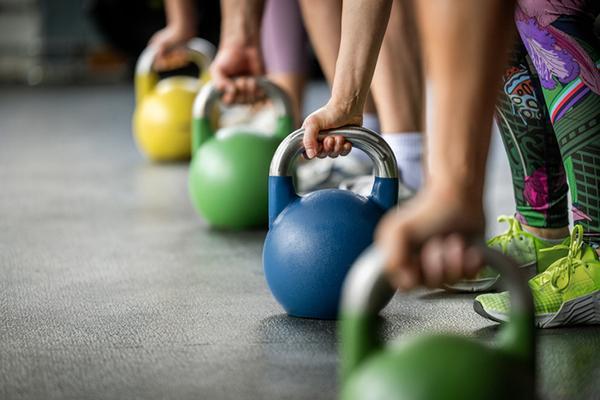
Kettlebell exercises you haven't tried yet
Beyond familiar kettlebell exercises such as kettlebell swings, many lesser-known kettlebell moves can create a full-body workout. Examples include around-the-world passes, bottoms-up kettlebell carries, and kettlebell deadlifts.

Winter hiking: Magical or miserable?
The instinct to stay indoors during winter can start to feel confining after a while. Going for a winter hike is a great way to get out in nature and get exercise, but it’s quite different from warm-weather hiking, and requires preparation and precautions.
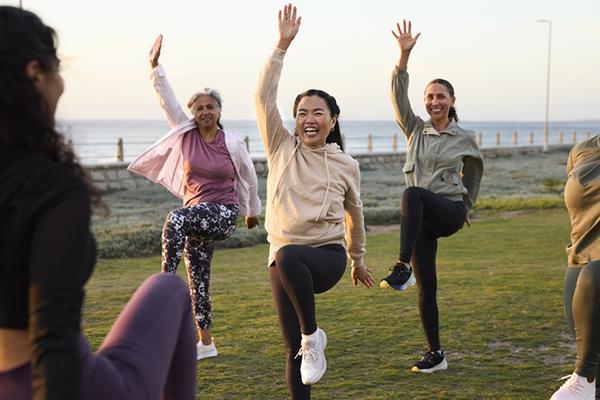
What exercises can help improve balance and prevent falls?
Targeted strength exercises, simple one‑leg stands, and practices like tai chi can improve balance and stability so walking feels steadier.
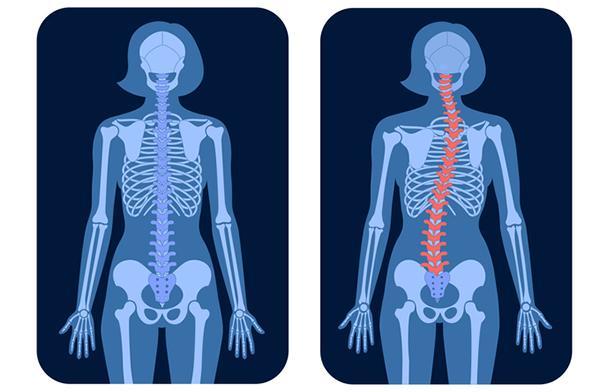
Scoliosis treatment: Can it help as you get older?
Many older adults with scoliosis—a C- or S-shaped sideways spinal curve—aren’t aware of it. Others noticeably lean to one side, and some have pain and limited range of motion in the spine. Physical therapy, including core strengthening and improving the stability of the trunk, can help.
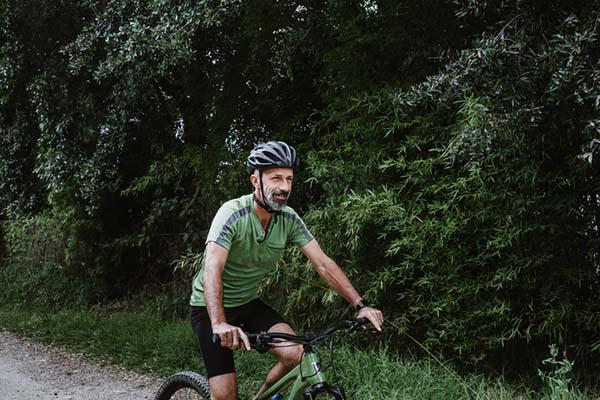
The joy and health benefits of cycling
Bicycling offers joint-friendly aerobic exercise, builds leg muscles, and aids recovery after knee or ankle surgery. The most appropriate type of bicycle—road, mountain, hybrid, or adaptive (recumbent, tricycle, hand cycle)—depends on where people ride and their abilities.
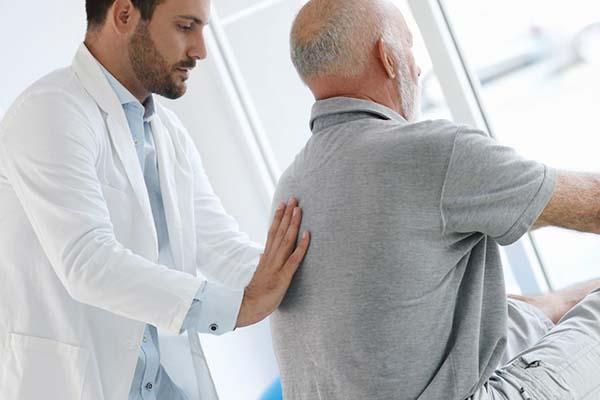
Physical therapy provides modest improvement for chronic low back pain
Sometimes low back pain becomes a chronic problem, lasting more than three months. This can be difficult to treat. A 2026 study of 749 adults with chronic low back pain found that treatment with physical therapy provided modest benefits over cognitive behavioral therapy.
Hip bursitis vs. arthritis: How to tell the difference
Fitness for longevity: Which type matters most?
Ministrokes linked to elevated risk of dementia
Continuous glucose monitors benefit people who don't need insulin
CoQ10: Should you take this popular supplement if you're on a statin?
Microplastics: A hidden health threat?
Oat vs. dairy milk: Nutrition, benefits, and downsides
What is tempeh? Benefits, nutrition, and how to use it
Healing after food poisoning
Whole grains may improve several heart risk factors at once
Free Healthbeat Signup
Get the latest in health news delivered to your inbox!
Sign Up
