

Hip bursitis vs. arthritis: How to tell the difference

Fitness for longevity: Which type matters most?

Ministrokes linked to elevated risk of dementia

Continuous glucose monitors benefit people who don't need insulin

CoQ10: Should you take this popular supplement if you're on a statin?

Microplastics: A hidden health threat?

Oat vs. dairy milk: Nutrition, benefits, and downsides

What is tempeh? Benefits, nutrition, and how to use it

Healing after food poisoning

Whole grains may improve several heart risk factors at once
Physical therapy Archive
Articles
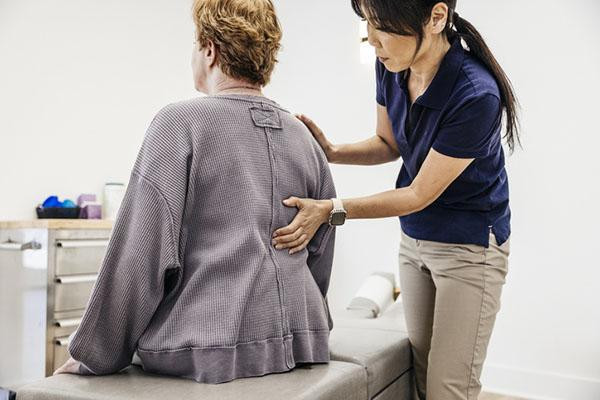
Don't wait to get help for back pain
Low back pain is common. It often results from poor posture, bad ergonomics, unusual movement patterns, and age-related spinal changes. Ignoring pain can lead to muscle weakness and instability. Early care, including physical therapy, helps relieve pain and prevent future problems.


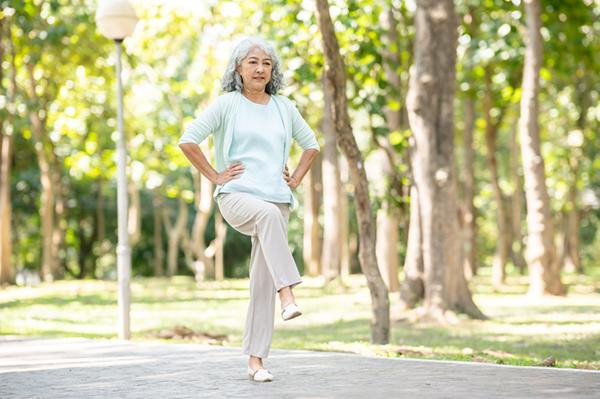
A measure of balance
People can evaluate their balance and fall risk at home by taking the four-stage balance test. More advanced tests like single-leg standing, heel-to-toe-walking, and timed up and go can also aid in assessing balance and coordination.

Modify your push-ups to meet your fitness level
The classic push-up is still celebrated for its no-equipment-needed simplicity. Using just your body weight, each rep strengthens the arms, shoulders, and chest, as well as the core, hips, and legs. Push-ups can be adjusted for almost any fitness level.
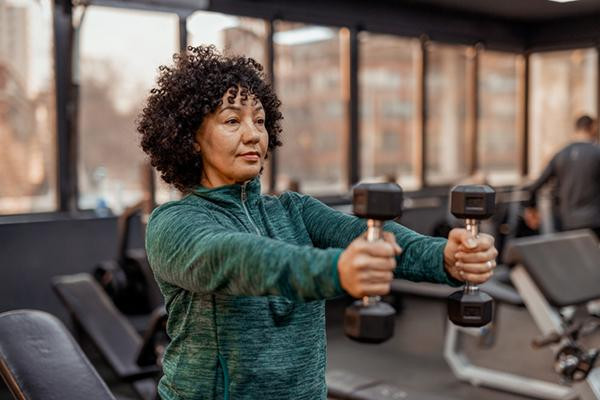
Trying to lose weight? Be careful not to lose muscle
People can prevent excessive muscle loss while losing weight by doing resistance training to build muscle, consuming enough protein, and slowing their weight-loss pace.
The power of wall balls
Wall ball exercises help increase strength, power, and endurance, and improve daily movements. They involve squatting while holding a large ball then rising explosively, throwing the ball high against a wall, catching it, and dropping back into a squat again.

Regular physical activity at midlife and beyond may help lower dementia risk
A 2025 study found that people with high amounts of daily activity at middle age and beyond reduced their risk of developing dementia compared with individuals who had the least daily activity during these life stages.
Hip bursitis vs. arthritis: How to tell the difference
Fitness for longevity: Which type matters most?
Ministrokes linked to elevated risk of dementia
Continuous glucose monitors benefit people who don't need insulin
CoQ10: Should you take this popular supplement if you're on a statin?
Microplastics: A hidden health threat?
Oat vs. dairy milk: Nutrition, benefits, and downsides
What is tempeh? Benefits, nutrition, and how to use it
Healing after food poisoning
Whole grains may improve several heart risk factors at once
Free Healthbeat Signup
Get the latest in health news delivered to your inbox!
Sign Up
