

Hip bursitis vs. arthritis: How to tell the difference

Fitness for longevity: Which type matters most?

Ministrokes linked to elevated risk of dementia

Continuous glucose monitors benefit people who don't need insulin

CoQ10: Should you take this popular supplement if you're on a statin?

Microplastics: A hidden health threat?

Oat vs. dairy milk: Nutrition, benefits, and downsides

What is tempeh? Benefits, nutrition, and how to use it

Healing after food poisoning

Whole grains may improve several heart risk factors at once
Physical therapy Archive
Articles
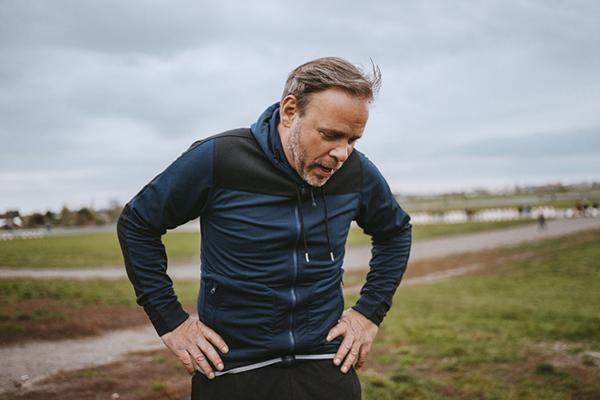
How soon can I start exercising again after the flu?
Your first workouts when recovering from the flu should be lighter and slower than usual. Your body will let you know when you're ready to ramp back up.

The many benefits of the "dead bug"
Older adults need a strong core to stay active and healthy. While the core comprises many muscles, the four main ones lie within the abdomen: the rectus abdominis in the front; the external and internal obliques on the sides; and the deep, flat transversus abdominis wrapping your midsection. Several core exercises work many of these muscles, but the dead bug exercise can engage all of them and is safe for older adults, as it can be modified for any age or limitations. The dead bug is done by lying on the back and moving the limbs up and down to imitate a dying insect.
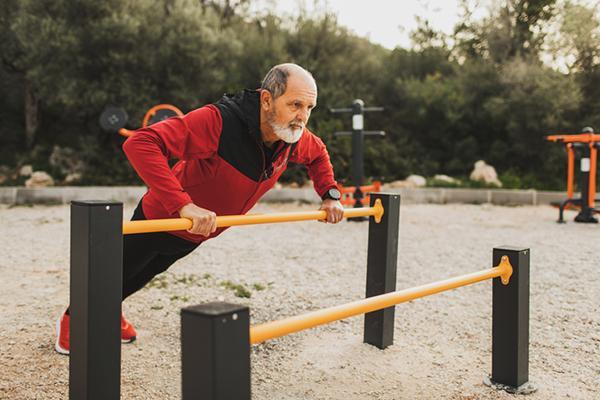
New resistance training guidance may simplify your workout
Resistance training at least twice a week builds strength, power, and endurance and preserves function as people age. Home workouts with body-weight movements and resistance bands are as effective as using gym equipment. All major muscle groups should be strengthened.

Core exercises: Diagonal opposite arm and leg raise
Harvard fitness expert Michele Stanten takes you through a simple exercise to tighten your abs, strengthen your back, and improve your balance.
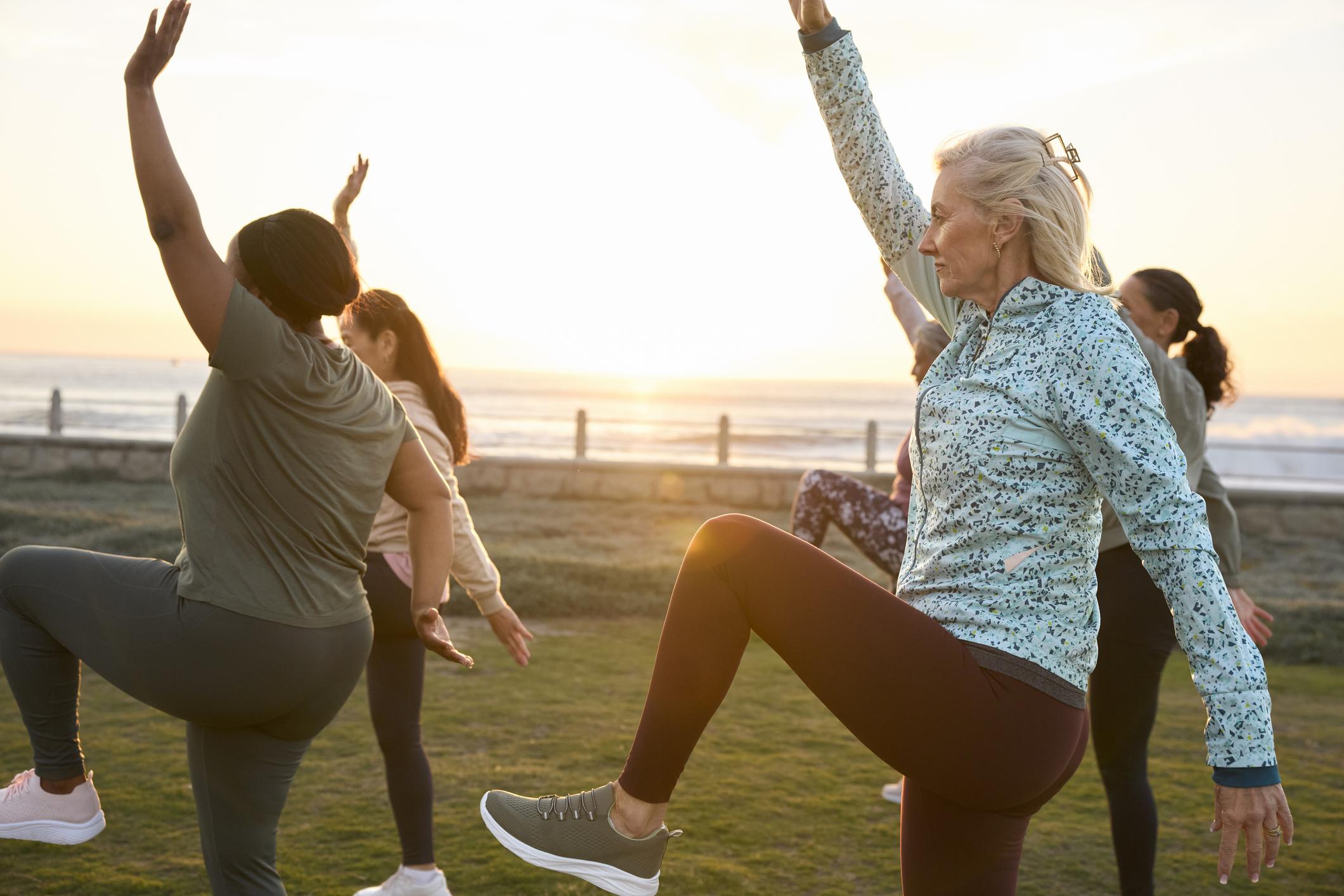
How steady are you? A balance & fall-prevention quiz
Staying steady on your feet isn’t just luck—it's a skill you can build. In this 10-question quiz, test your balance know-how and get instant feedback with simple tips to help you prevent falls and stay confident on your feet.
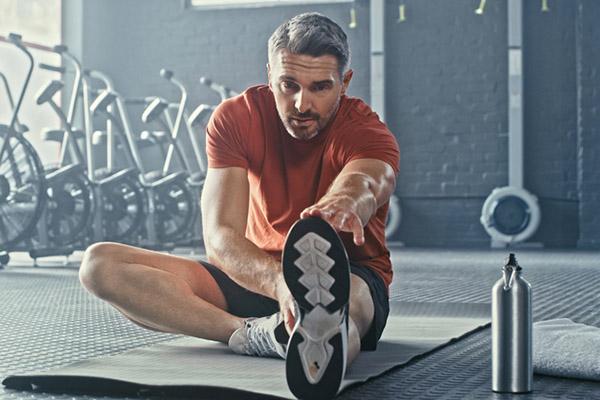
The best stretching routines for men
Men may be less flexible than women, but stretching offers important benefits for everyone, especially as they age. Stretching may help keep muscles limber, improve balance and posture, prevent injuries, and even benefit sports performance.


The 4 most important types of exercise
Some aspects of exercise and fitness are ignored. In reality, everyone should do aerobics, stretching, strengthening, and balance exercises.
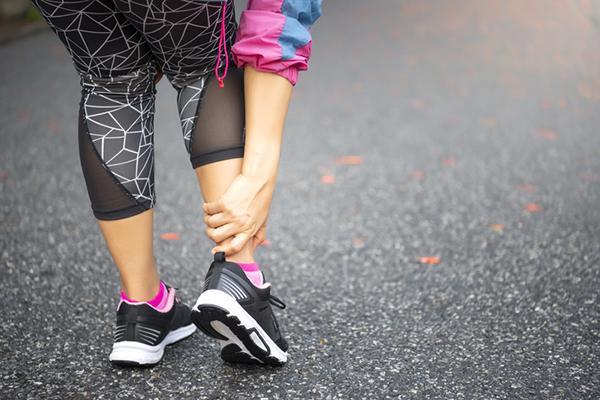
Treating Achilles tendon trouble
Achilles tendons can be injured in several ways. Overuse can irritate and inflame the tendon (tendinitis). Abrupt movements that stretch the tendon in the wrong way can tear the tendon (rupture). Nonsurgical treatment often is effective. Some cases may require surgery.
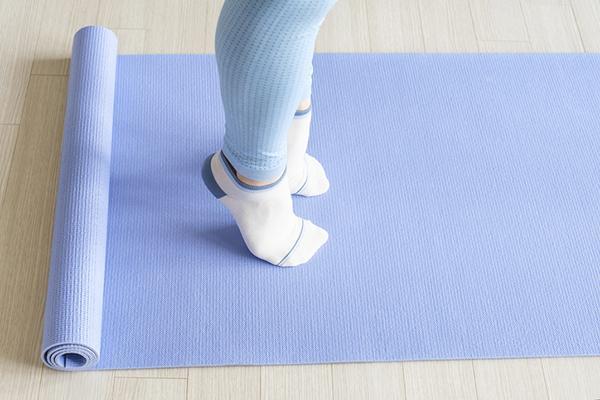
Stay strong at any age with 4 basic exercises
Muscles naturally weaken over time. But people can preserve strength and retain function with regular physical activity, including exercises to build lower-body strength. Four daily exercises are sit‑to‑stands, glute sets, heel raises, and single‑leg stands.
Hip bursitis vs. arthritis: How to tell the difference
Fitness for longevity: Which type matters most?
Ministrokes linked to elevated risk of dementia
Continuous glucose monitors benefit people who don't need insulin
CoQ10: Should you take this popular supplement if you're on a statin?
Microplastics: A hidden health threat?
Oat vs. dairy milk: Nutrition, benefits, and downsides
What is tempeh? Benefits, nutrition, and how to use it
Healing after food poisoning
Whole grains may improve several heart risk factors at once
Free Healthbeat Signup
Get the latest in health news delivered to your inbox!
Sign Up
