

Hip bursitis vs. arthritis: How to tell the difference

Fitness for longevity: Which type matters most?

Ministrokes linked to elevated risk of dementia

Continuous glucose monitors benefit people who don't need insulin

CoQ10: Should you take this popular supplement if you're on a statin?

Microplastics: A hidden health threat?

Oat vs. dairy milk: Nutrition, benefits, and downsides

What is tempeh? Benefits, nutrition, and how to use it

Healing after food poisoning

Whole grains may improve several heart risk factors at once
Physical therapy Archive
Articles

How a personal trainer can enhance your workouts
Personal trainers can provide a range of benefits, including developing a personalized, balanced workout. People focused on heart health often prioritize exercise that raises their heart rate (cardio or aerobic exercise). But strength training builds lean muscle mass, which helps burn body fat, keeps blood sugar in check, and may help reduce cholesterol levels. Trainers also teach people how to exercise safely to avoid injuries (which is especially helpful when using free weights) and also provide motivation to foster a positive mindset.

Try this: Get jumping with plyometrics
Jumping rope is an ideal plyometric exercise that helps improve coordination, agility, and flexibility and offers an excellent heart-pumping workout.


Seeking fitspiration on social media?
Fitspiration describes social media posts intended to inspire physical fitness and promote health. But is this type of motivation helpful? A recent study looked deeper into the trend.
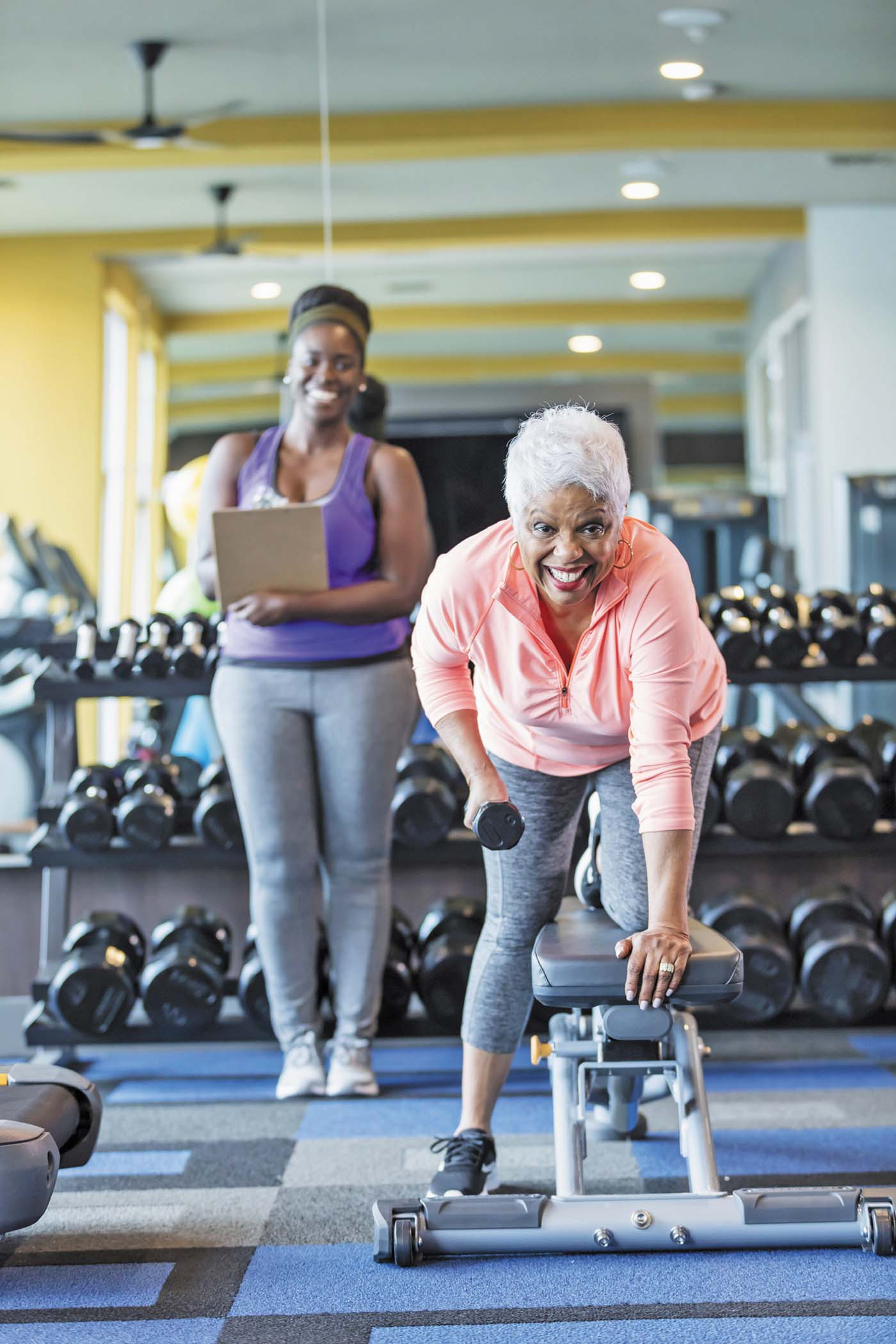
7 things your personal trainer wants you to know
It takes more than a weekly session with a personal trainer to maximize exercise benefits. Personal trainers recommend that people exercise in between training sessions; do strength training at the beginning of a workout; alternate the muscle groups that get a workout; challenge each muscle group with a variety of exercises; stretch regularly; eat a healthy diet to fuel the body; and exercise purposefully, with a strategic approach that moves them closer to their exercise goals.

Everyday activities count as exercise, but intensity matters
In a 2023 study, people who did bouts of daily activities, such as taking stairs, mopping the floor, and gardening, that lasted from one to 10 minutes had a lower risk for heart attacks and strokes compared with those who were active for less than a minute.


Early morning exercise may be the best time for weight loss
A 2023 study found that people who exercise in the morning, specifically between 7 a.m. and 9 a.m., have a lower risk of obesity than those who are most active in the midday or evening.

3 easy ways to strengthen your shoulders
When a shoulder workout seems time-consuming or challenging, it might help to make the exercises easier or more appealing. One approach is doing shoulder exercises with a resistance band instead of fancy weight machines. Another strategy is doing a few occasional shoulder exercises, such as making arm circles, while seated. And it might be fun to dance and move the arms in time to music, which works the shoulder muscles; or to place a ball against a wall and roll the ball in small letter shapes from A to Z, which works all of the muscles in the shoulders.
Hip bursitis vs. arthritis: How to tell the difference
Fitness for longevity: Which type matters most?
Ministrokes linked to elevated risk of dementia
Continuous glucose monitors benefit people who don't need insulin
CoQ10: Should you take this popular supplement if you're on a statin?
Microplastics: A hidden health threat?
Oat vs. dairy milk: Nutrition, benefits, and downsides
What is tempeh? Benefits, nutrition, and how to use it
Healing after food poisoning
Whole grains may improve several heart risk factors at once
Free Healthbeat Signup
Get the latest in health news delivered to your inbox!
Sign Up
